





Beyond the Standard Menu
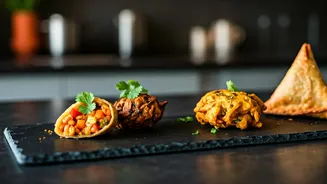
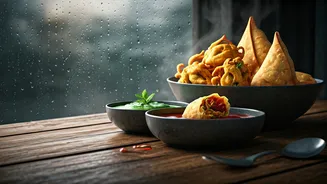
For decades, the “Indian food” experience in America was comforting but often predictable, largely defined by the hearty, creamy flavors of Punjabi cuisine from North India. Think chicken tikka masala, buttery naan, and samosas. While delicious, this
menu represented just one brushstroke of a subcontinent teeming with thousands of distinct culinary traditions. But a change is brewing. A new wave of South Asian-American chefs and entrepreneurs, many of them second-generation, are confidently moving beyond the monolith. They are digging deep into their specific regional heritages—be it Bengali, Gujarati, Goan, or Tamil—and using food as a medium to tell a more nuanced, personal story. The humble pakora, a universally loved snack, has become one of the most exciting canvases for this new expression.
The Pakora Reimagined
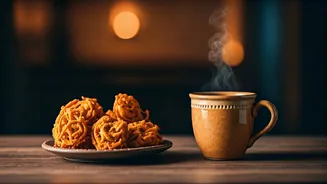
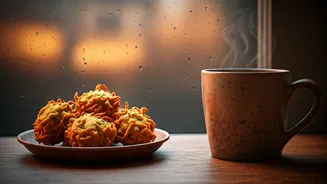
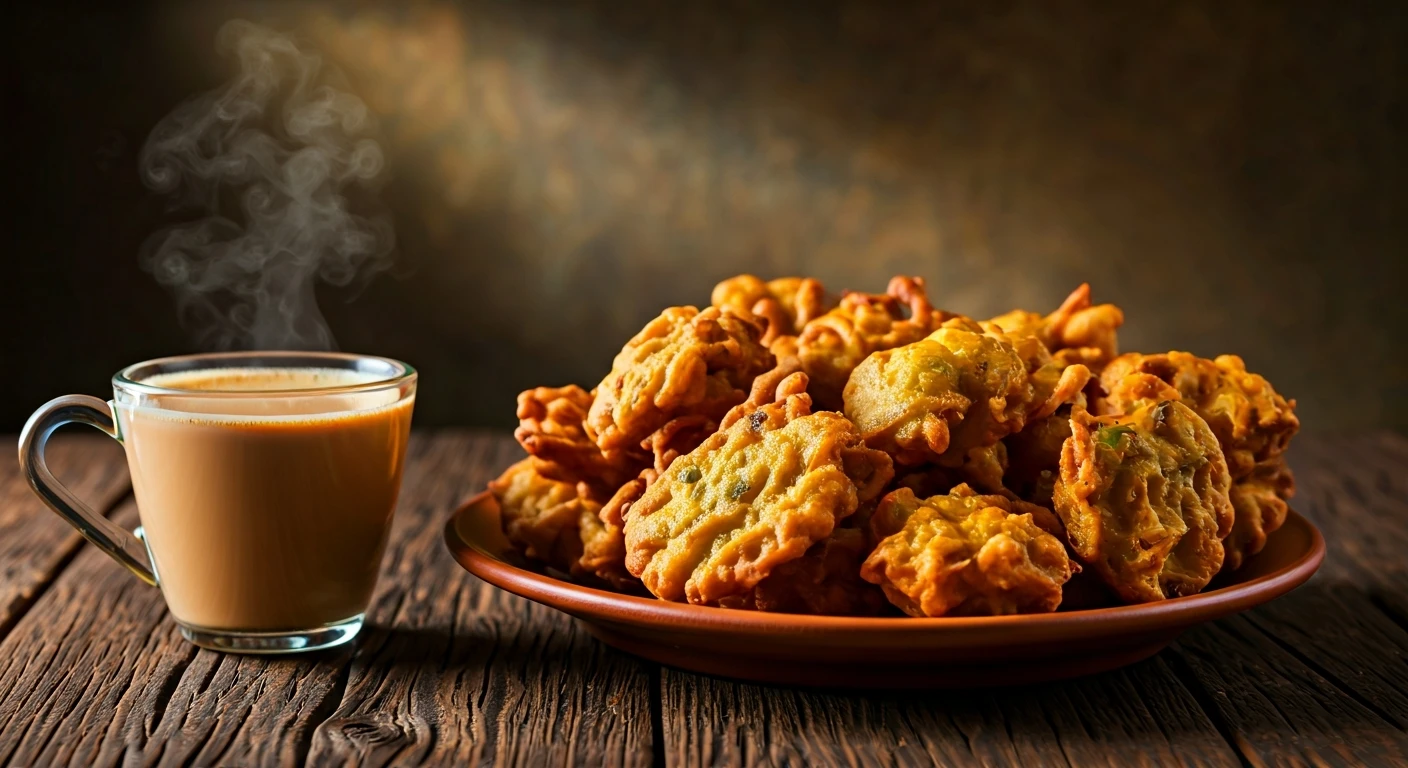
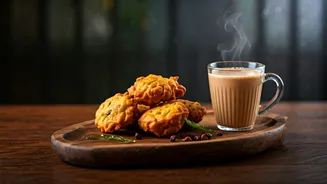
A pakora, at its heart, is a simple concept: a vegetable, protein, or piece of cheese is coated in a spiced chickpea flour batter and deep-fried to crispy perfection. Traditionally, you’d find potato, onion, or spinach varieties. Today, that canvas is being splattered with bold, new colors. In the Pacific Northwest, you might find a kale and shiitake mushroom pakora, reflecting the region’s local bounty. In a hip Brooklyn eatery, a chef might offer delicate zucchini blossom pakoras dusted with chaat masala, served with a cilantro-mint aioli instead of the standard tamarind chutney. In California, avocado pakoras with a hint of jalapeño are making an appearance, a perfect marriage of South Asian technique and West Coast ingredients. These aren't gimmicks; they are thoughtful integrations. The chickpea batter remains the soulful constant, but the fillings and accompaniments are becoming a playground for regional American produce and global culinary ideas, creating a snack that is both familiar and thrillingly new.
The New American Chai
Alongside the reimagined pakora is its lifelong partner: chai. For years, the American conception of chai was the syrupy, overly sweet “chai tea latte” popularized by corporate coffee chains. That era is fading. A new generation of “chai-wallas” (tea makers) are championing authenticity and innovation in equal measure. Cafes are now dedicated to showcasing the art of a proper masala chai, often brewing it fresh to order with hand-ground spices like cardamom, clove, cinnamon, and ginger. They are exploring regional variations, too. You might find the nutty, salty Kashmiri pink chai (noon chai), a pulled South Indian-style chai with a frothy head, or even non-traditional infusions using ingredients like lavender, rose, or turmeric. These new chai artisans are meticulous about their sourcing, using single-origin tea leaves and high-quality, whole spices. They offer an array of milk options and natural sweeteners, moving the conversation from a sugary beverage to an artisanal craft drink, restoring chai to its rightful place as a complex and respected brew.
A Taste of Modern Identity
This trend is more than just a food fad; it’s a story about cultural evolution and identity. The chefs and entrepreneurs behind these new chai and pakora spots are often navigating their dual heritage. They grew up in American cities, but with a deep connection to the flavors and traditions of their parents’ and grandparents’ homelands. Their cooking is a reflection of this lived experience—unapologetically American and deeply South Asian at the same time. By taking a beloved, almost sacred, pairing like chai and pakoras and giving it a regional American twist, they are not diluting their culture. Instead, they are actively shaping it, proving that tradition is not a static museum piece but a living, breathing thing that can adapt, innovate, and find new forms of expression. They are claiming their space in the American culinary landscape on their own terms, and the results are delicious.