


The Allure of a Natural Drink
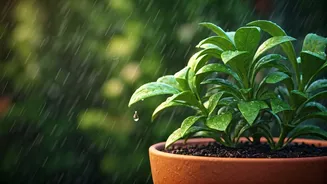
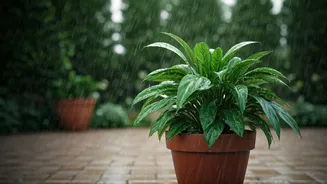
The impulse to let your houseplants enjoy the rain comes from a good place. After all, what could be more natural? Rainwater offers several distinct advantages over what comes out of your tap. First, it’s naturally soft, free from the chlorine, fluoride,
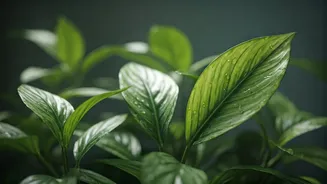
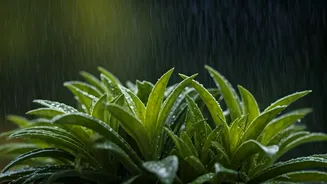
and mineral salts found in most municipal water supplies. These chemicals and minerals can build up in your plant's soil over time, eventually harming the roots. Rain provides a gentle flush, washing these accumulated salts away. Furthermore, rainwater is slightly acidic, which helps plants absorb nutrients from the soil more efficiently. It even contains small amounts of nitrates—a form of nitrogen that plants can readily use for growth. A good shower also washes away the dust and grime that accumulate on leaves, which can block sunlight and hinder photosynthesis. For a moment, your houseplant gets to feel like its wild ancestor.
When the Romance Turns Sour
Here's where the “risky” part of the romance comes in. The number one danger is overwatering. Unlike a plant in the ground, a potted houseplant has a limited volume of soil and can quickly become waterlogged, especially if its container has poor drainage. When soil stays saturated, it cuts off oxygen to the roots, leading to the dreaded root rot—a fungal condition that is often a death sentence for houseplants. A gentle shower is one thing; a torrential downpour is another. Heavy, driving rain can physically damage delicate leaves and stems, battering your carefully nurtured calathea or begonia. The force of the water can also compact the soil, further reducing aeration. And while the rain might wash dust off, it can also wash pests *on*. Pests like spider mites, aphids, and slugs thrive in damp outdoor conditions and can easily hitch a ride onto your plants, creating an infestation you then bring back inside.
Not All Plants Are Looking for Love
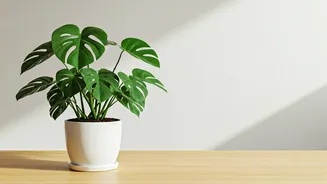
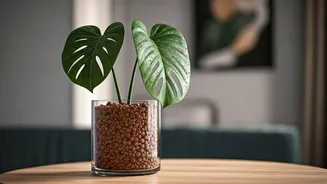
A crucial factor in this equation is the type of plant. Not all houseplants are suited for a summer fling with the rain. Tropical plants that evolved in rainforests—like monsteras, philodendrons, and ferns—are generally good candidates. They are accustomed to frequent, heavy rainfall and high humidity. A summer shower can feel like a trip back to their native habitat. However, plants adapted to arid environments are a completely different story. Succulents, cacti, and snake plants store water in their leaves and stems and have root systems highly susceptible to rot. Leaving them in the rain, even for a short period, is asking for trouble. Their potting mix is designed to dry out quickly, and a prolonged soaking can be devastating. Similarly, plants with fuzzy or velvety leaves, like African violets, can be prone to fungal spots if water sits on their foliage for too long.
How to Have a Safe Summer Fling
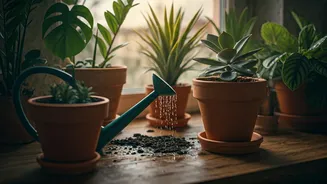
If you want to treat your appropriate plants to a rain shower without the heartbreak, you need to act like a responsible chaperone. First, only put plants out during a light to moderate shower, not a thunderstorm or downpour. An hour or two is often plenty. Second, check your pots. This is non-negotiable. Ensure every pot has drainage holes and that they aren’t clogged. If you use decorative cachepots without holes, remove the plant (in its nursery pot) before placing it outside. Third, consider the aftermath. After the rain, don't immediately place the plant in direct, hot sun. Wet leaves can be more susceptible to sunburn. Keep it in a shady spot to dry off. Finally, before bringing your plant back inside, give it a thorough inspection. Check the leaves (top and bottom), stems, and the surface of the soil for any unwanted pests that may have decided to move in.