






Beyond the Bag of Kibble
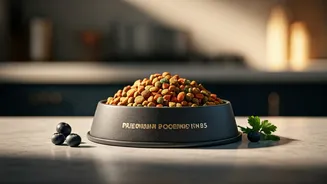
For decades, pet food meant one thing: a large bag of dry, processed kibble. But as pet owners increasingly see their dogs and cats as family members, the demand for higher-quality, healthier options has exploded. This “humanization” of pets is now fueling
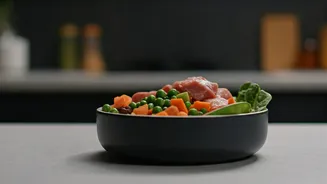
a sophisticated market for personalized nutrition in India, a country with one of the world's fastest-growing pet populations. Forget one-size-fits-all. We're talking about meals crafted based on a pet’s specific breed, age, weight, activity level, allergies, and health conditions. Startups like Supertails, Heads Up For Tails, and a host of smaller, regional players are offering everything from fresh-cooked, human-grade meals delivered via subscription to vet-formulated diets designed to manage specific health issues. It’s a direct-to-consumer model that bypasses traditional retail and delivers a customized experience right to the owner's doorstep.
The Rise of the Indian Pet Parent
So, why is this happening so rapidly in India? It’s a perfect storm of social and economic shifts. A booming urban middle class with higher disposable incomes is the primary driver. As incomes rise, so does spending on non-essential, premium goods—and for many, that includes their pets. The COVID-19 pandemic accelerated this trend, leading to a surge in pet adoption for companionship during lockdowns. These new owners, often younger, tech-savvy millennials, are more likely to research pet health online and are less loyal to legacy brands. They view their pet not as a guard animal, but as a “fur baby” deserving of the same wellness considerations they apply to themselves. This attitudinal shift is the engine behind the entire personalized pet food market, transforming pets into a central part of the family unit and, consequently, the family budget.
A Tech-Driven Menu
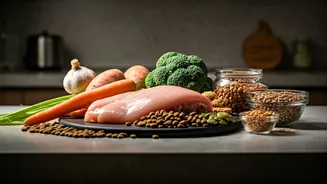
The execution of this trend is where it gets interesting. Unlike the gradual evolution in Western markets, India’s personalization boom is happening in a mobile-first, digitally native environment. The process typically starts with a detailed online questionnaire. A pet parent logs onto a company's website or app and inputs data about their pet—from its neuter status and pickiness level to its joint health and skin condition. An algorithm then crunches this data to recommend a specific meal plan, often with portion sizes calculated down to the gram. Some companies take it a step further, offering tele-consultations with veterinarians or pet nutritionists to fine-tune the diet. The meals themselves—often featuring ingredients like chicken, brown rice, pumpkin, and turmeric—are prepared in commercial kitchens, portioned into daily packs, and delivered frozen. It's a seamless blend of e-commerce, logistics, and food science tailored for the modern consumer.
What It Means for the U.S.
While the U.S. has its own successful personalized pet food brands like The Farmer’s Dog and Nom Nom, the Indian market offers a glimpse into a different kind of growth trajectory. It shows how quickly a market can leapfrog from basic products to hyper-customized services when enabled by technology and a motivated consumer base. For global pet food giants like Mars and Nestlé, who have long dominated the Indian market with shelf-stable products, these nimble D2C startups represent a significant new competitive threat. The trend also highlights a universal truth: as people become more invested in their own health and wellness, they project those same values onto their pets. The Indian market is simply a high-speed case study of a phenomenon that is reshaping the multi-billion-dollar pet care industry worldwide.