
The Lure of the Western Ghats
For residents of Mumbai and Pune, two of India’s bustling urban centers in the state of Maharashtra, Mahabaleshwar isn't just a place; it's an antidote. Perched high in the Western Ghats, a mountain range that runs parallel to India's western coast, this
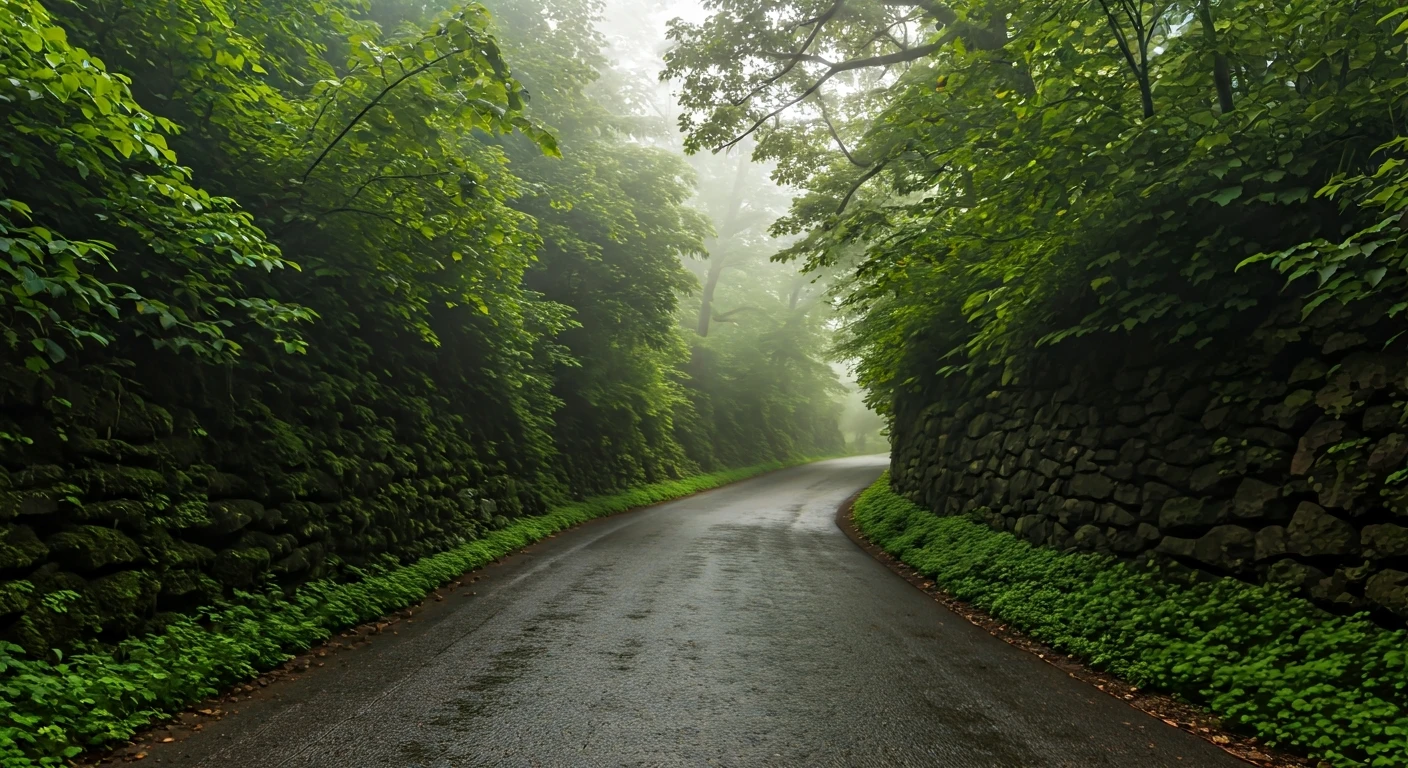
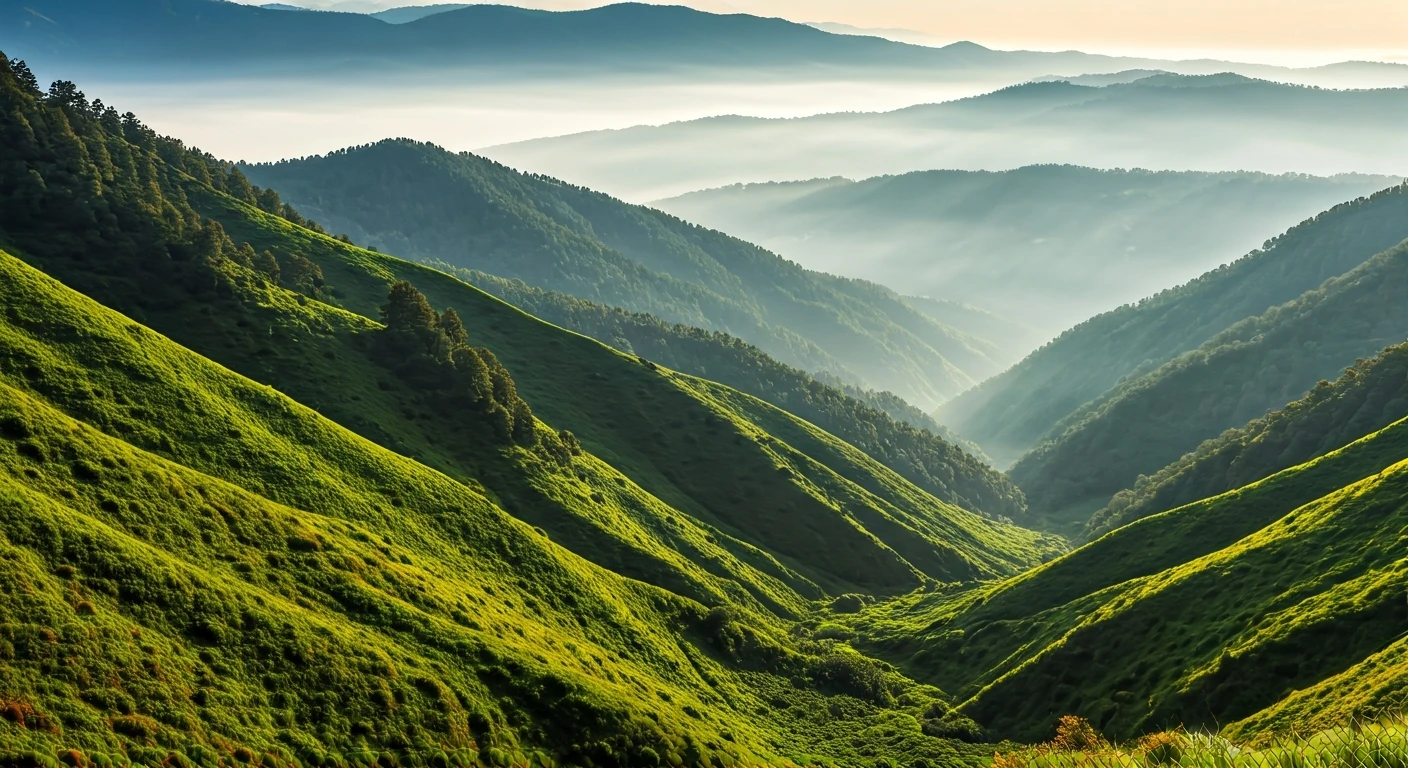
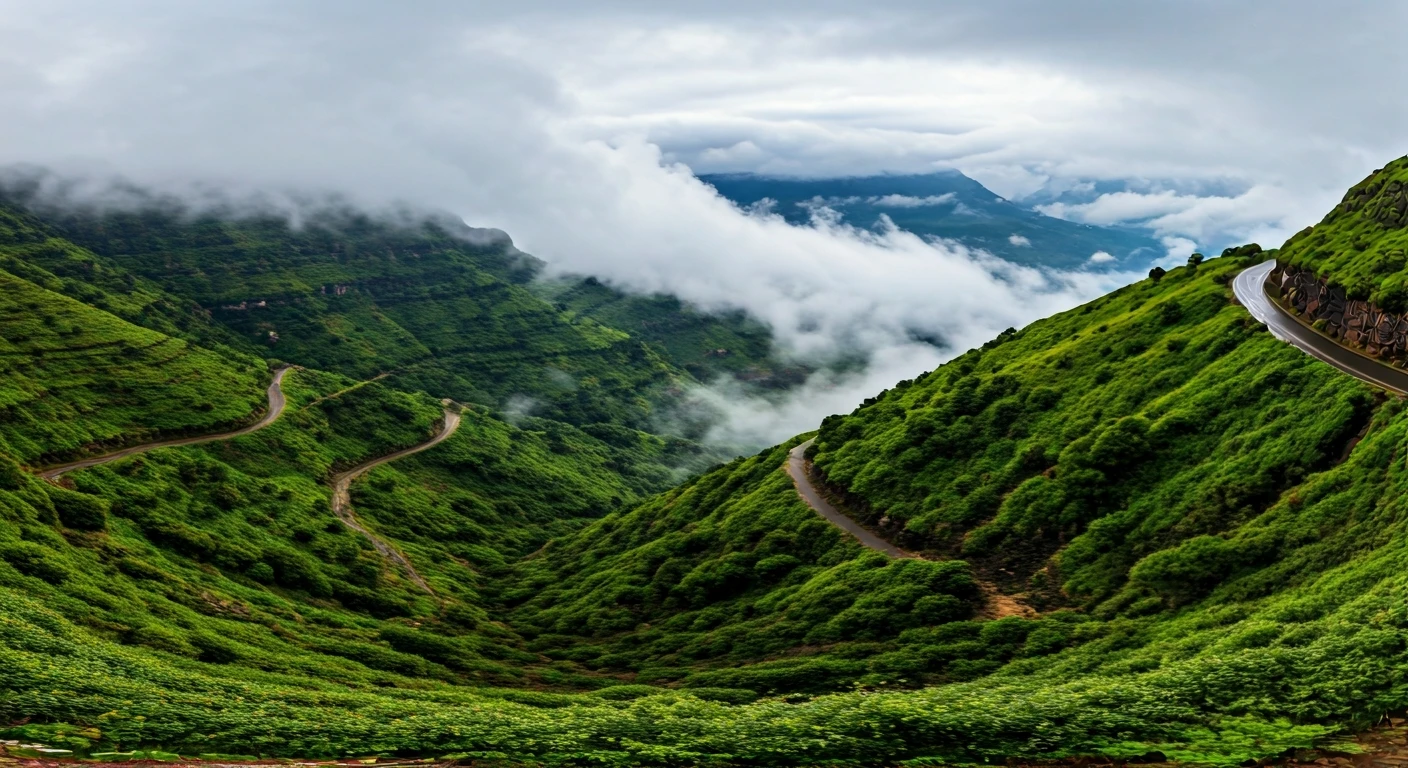
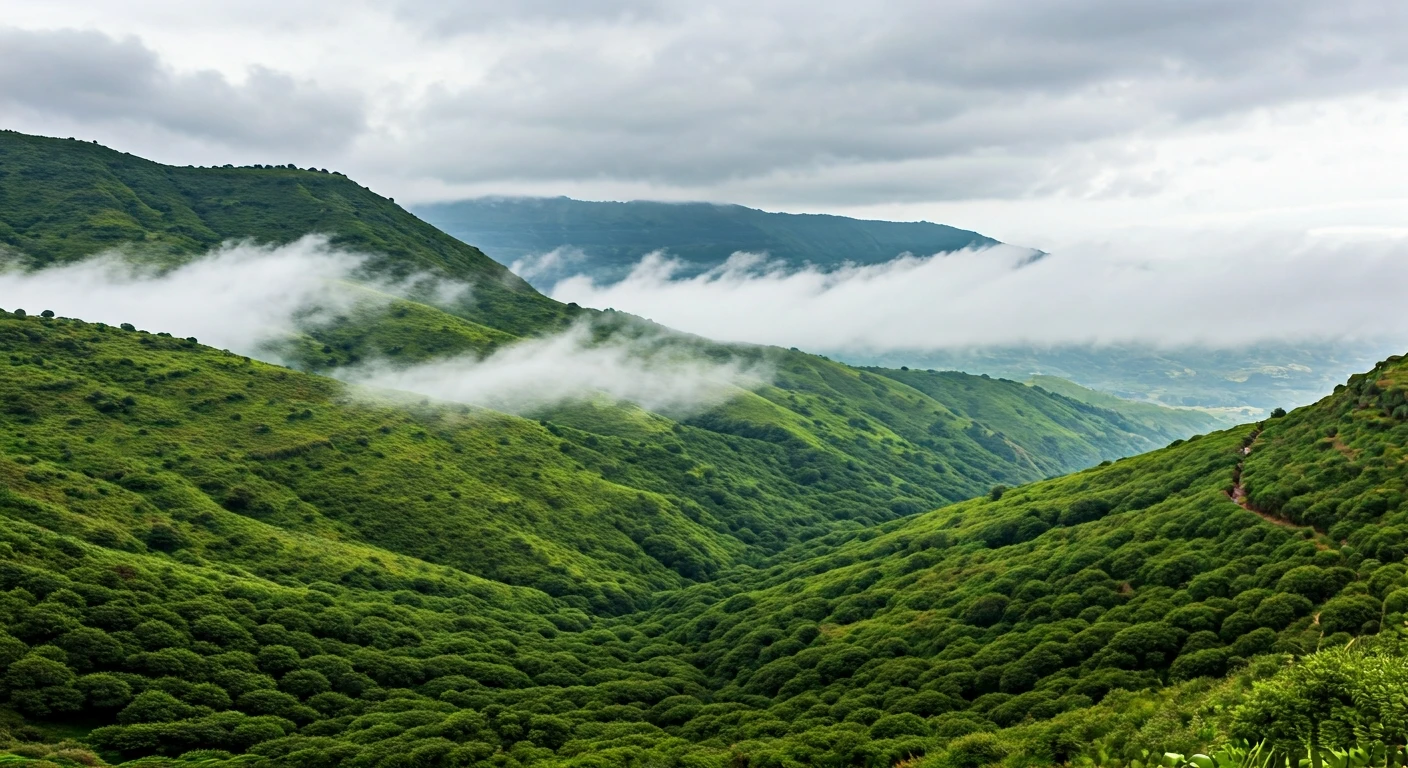
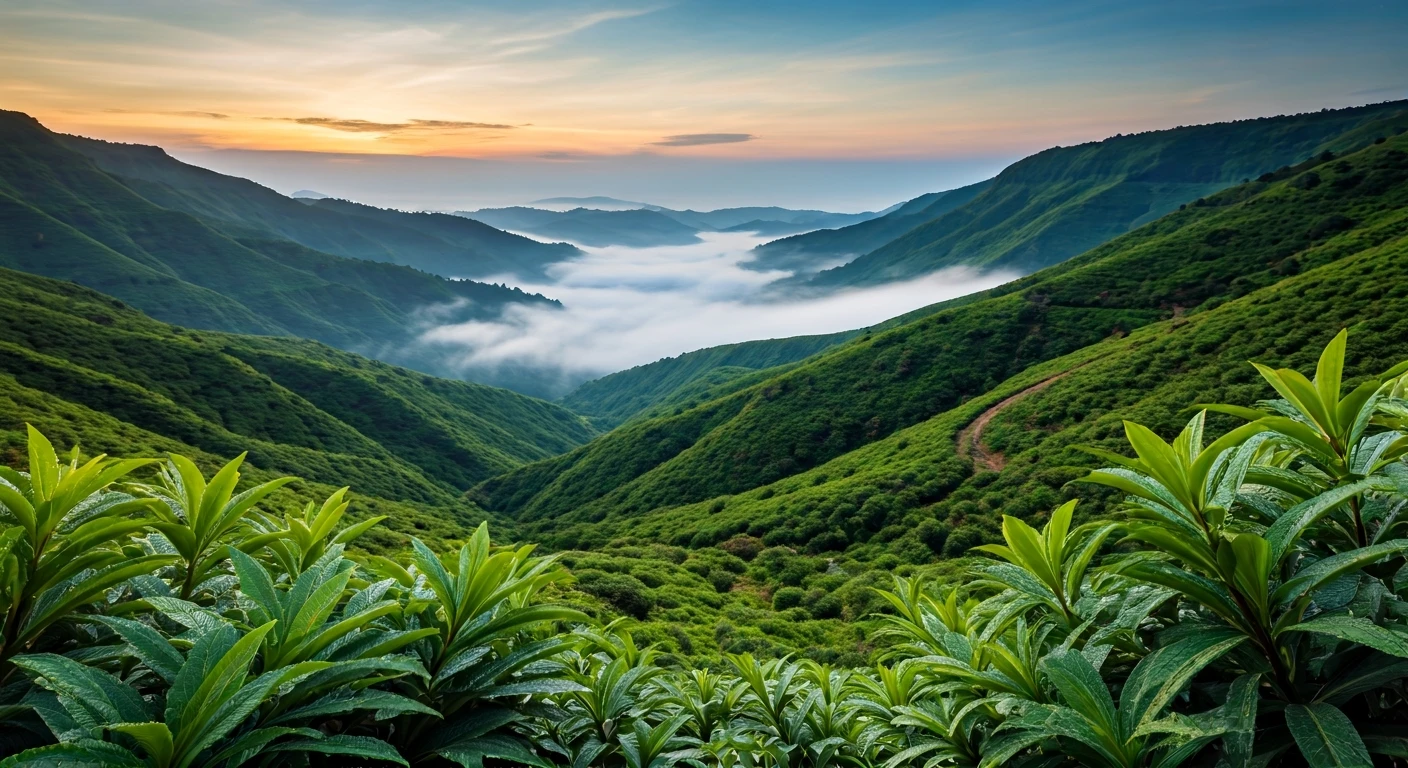
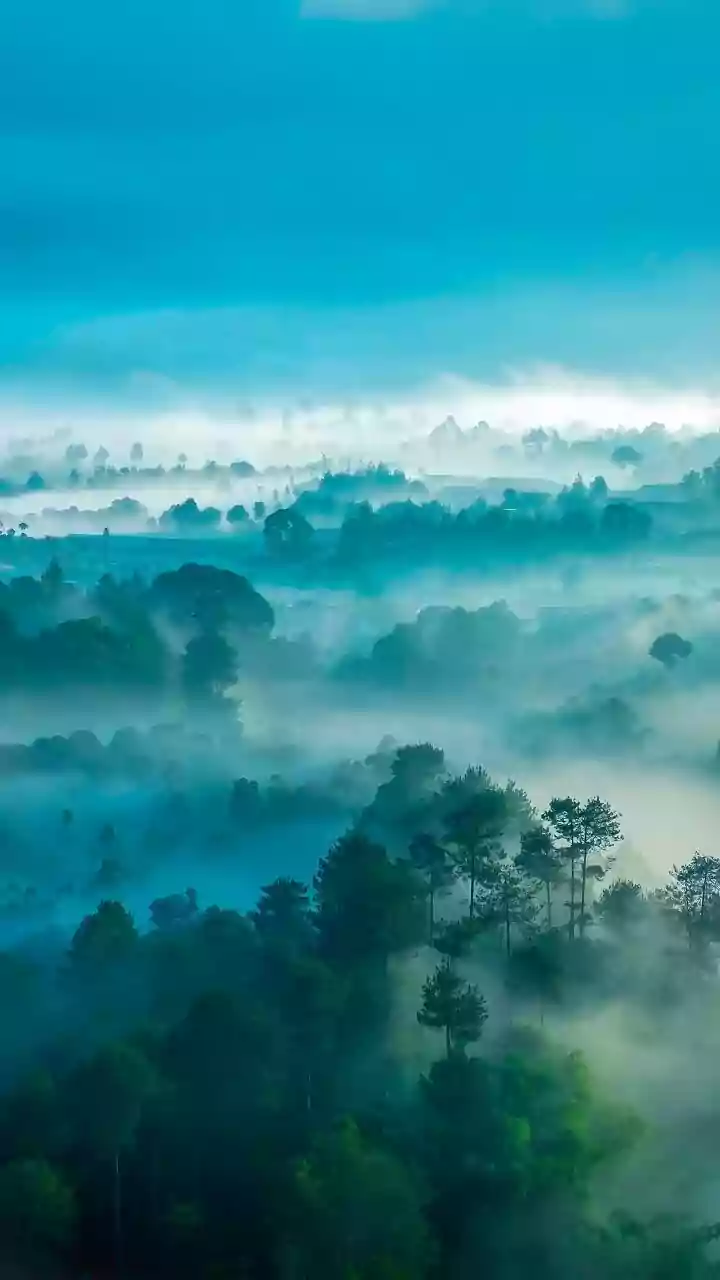
popular destination offers a tangible break from the relentless heat and humidity of the lowlands. When temperatures soar, city dwellers dream of its cool breezes, misty mornings, and panoramic views of rolling hills. The headline’s sentiment isn't just about tourism; it’s about a seasonal ritual. The desire for Mahabaleshwar’s “cool air” is a collective sigh of relief, a yearning for the simple pleasure of wearing a light sweater in the evening and sipping hot tea while watching fog drift through the valleys. This seasonal migration is a cornerstone of local culture, a shared understanding that relief is just a few hours' drive away.
An Escape Hatched by Empire
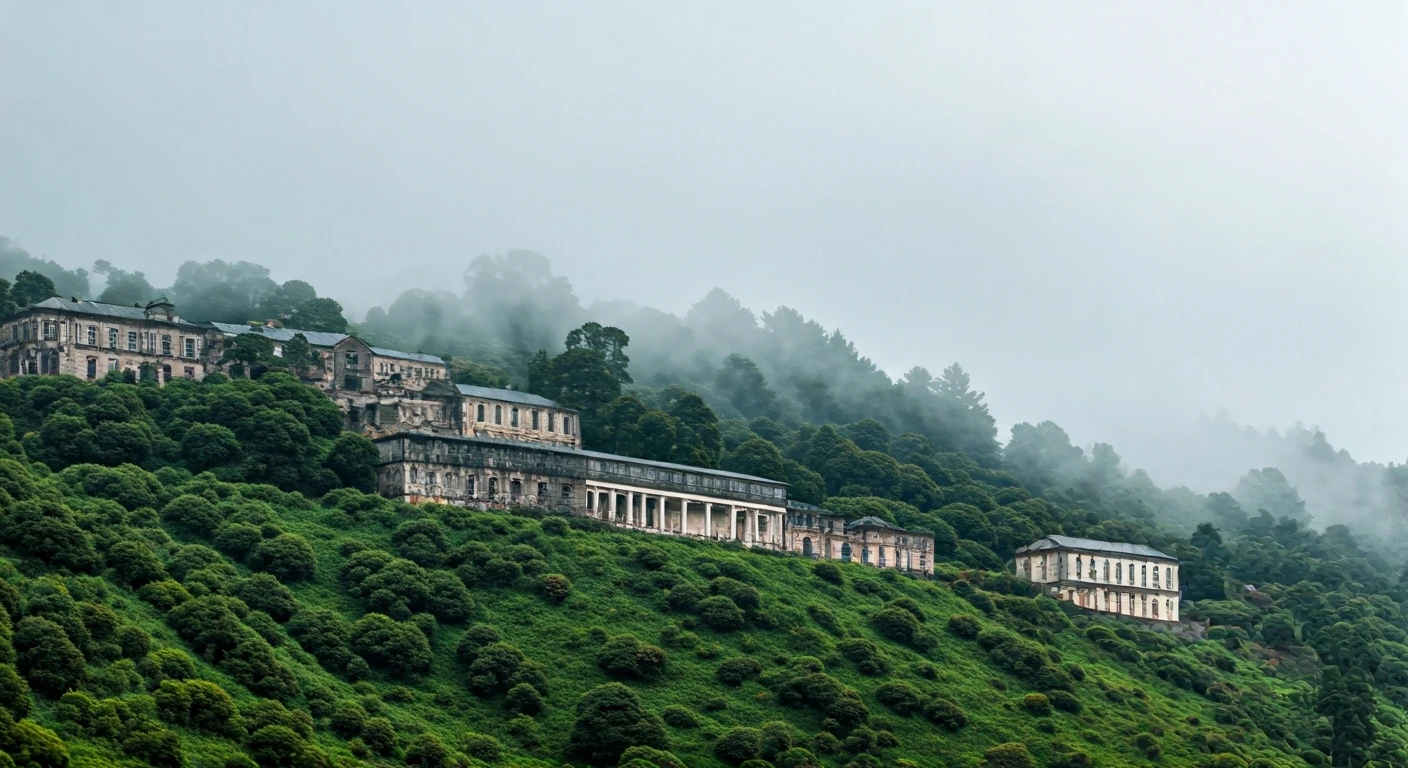
But Mahabaleshwar’s identity as a cool-air haven wasn’t born from modern urban flight. It’s a legacy of the British Empire. In the 19th century, British administrators and soldiers found India's climate, particularly its scorching summers, to be debilitating. To cope, they sought out high-altitude locations where the weather mimicked that of their distant homeland. They established what became known as “hill stations”—meticulously planned towns that served as summer capitals and resorts. Mahabaleshwar, officially established in 1829, was the designated summer capital of the Bombay Presidency. The British built Tudor-style cottages, Anglican churches, and manicured gardens. They created a slice of England in the Indian mountains, a place for polo, picnics, and convalescence. This history is still etched into the town's architecture and layout, giving it a unique character that is part Indian mountain village, part colonial time capsule.
More Than Just Cool Air
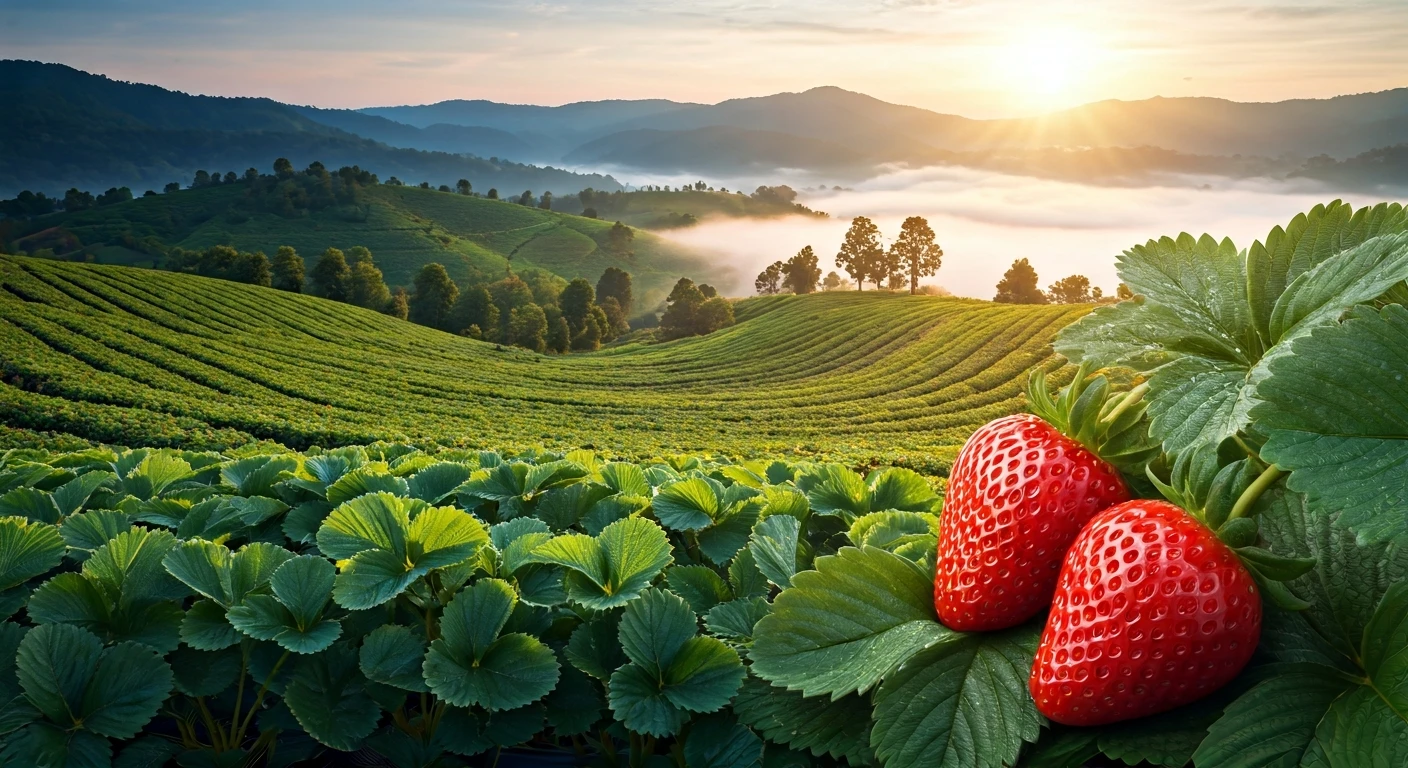
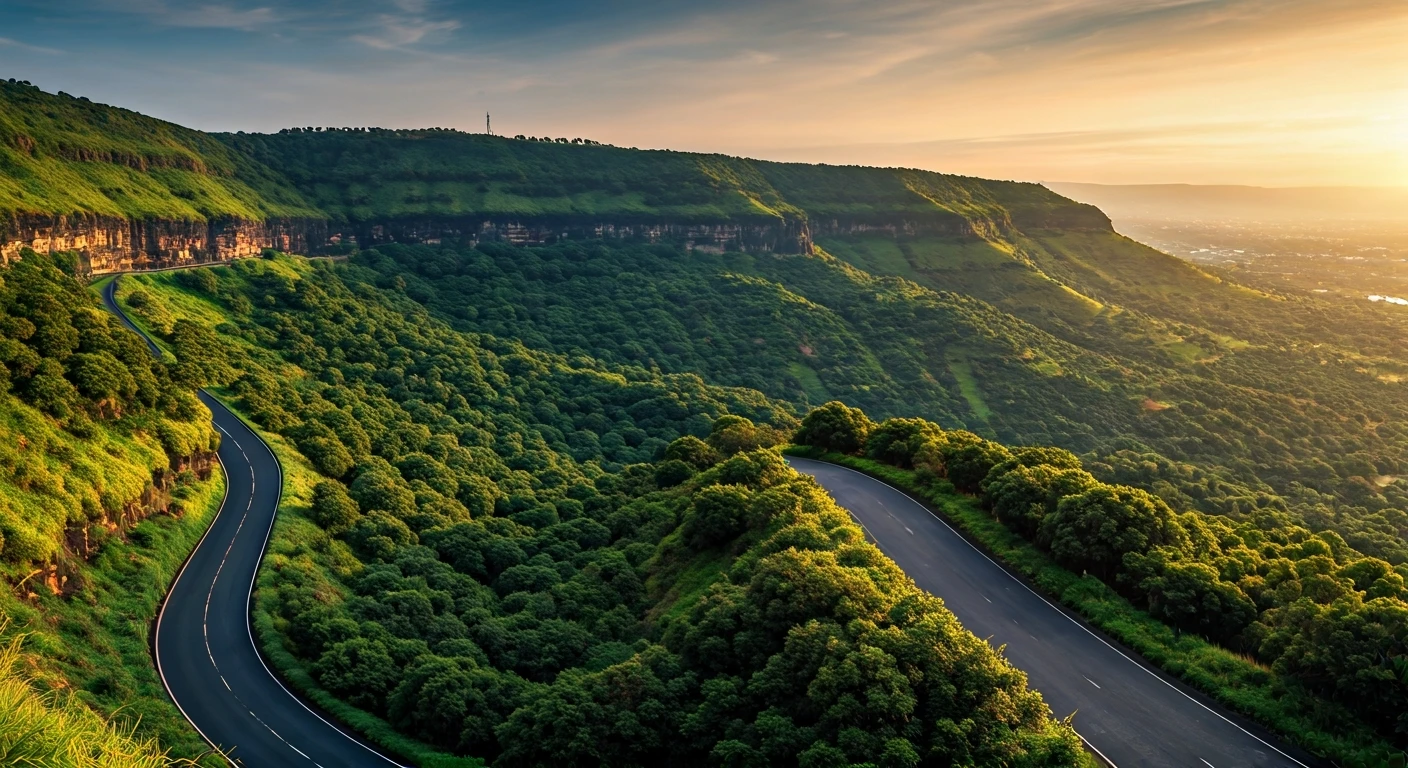
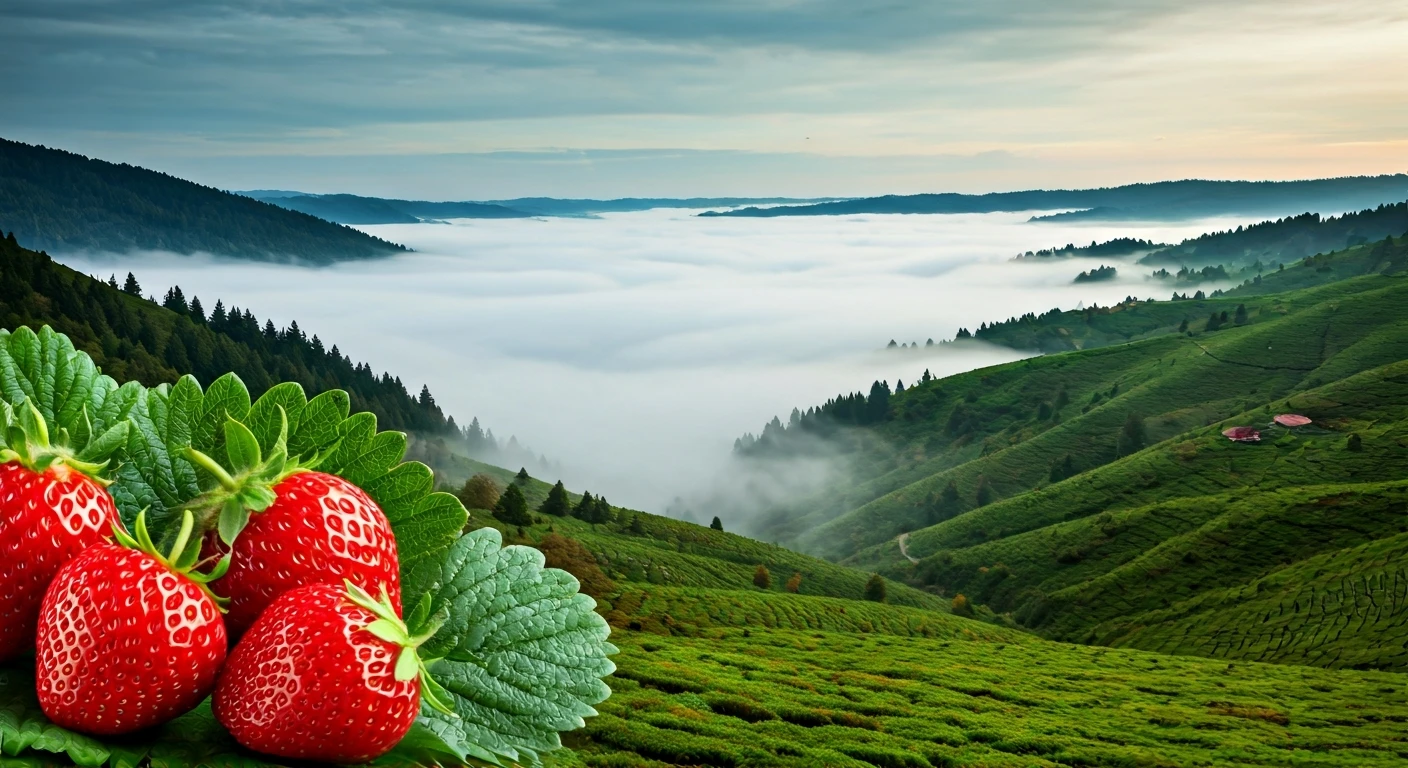
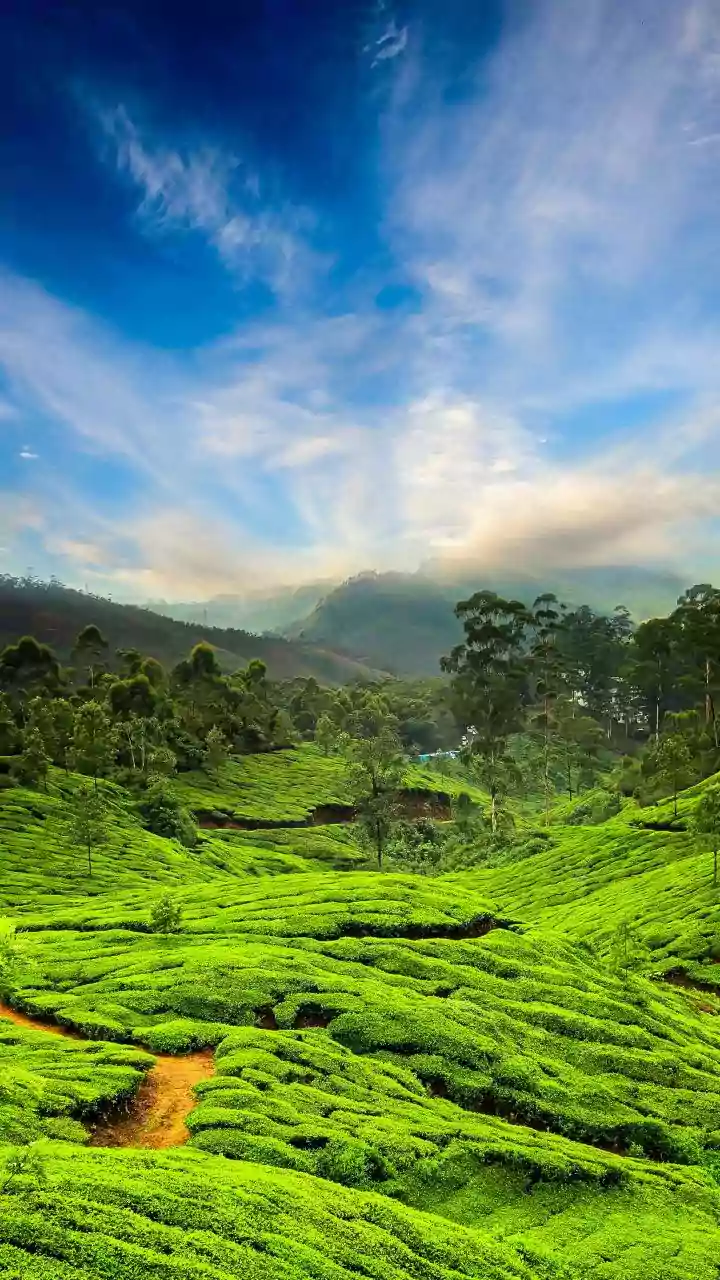
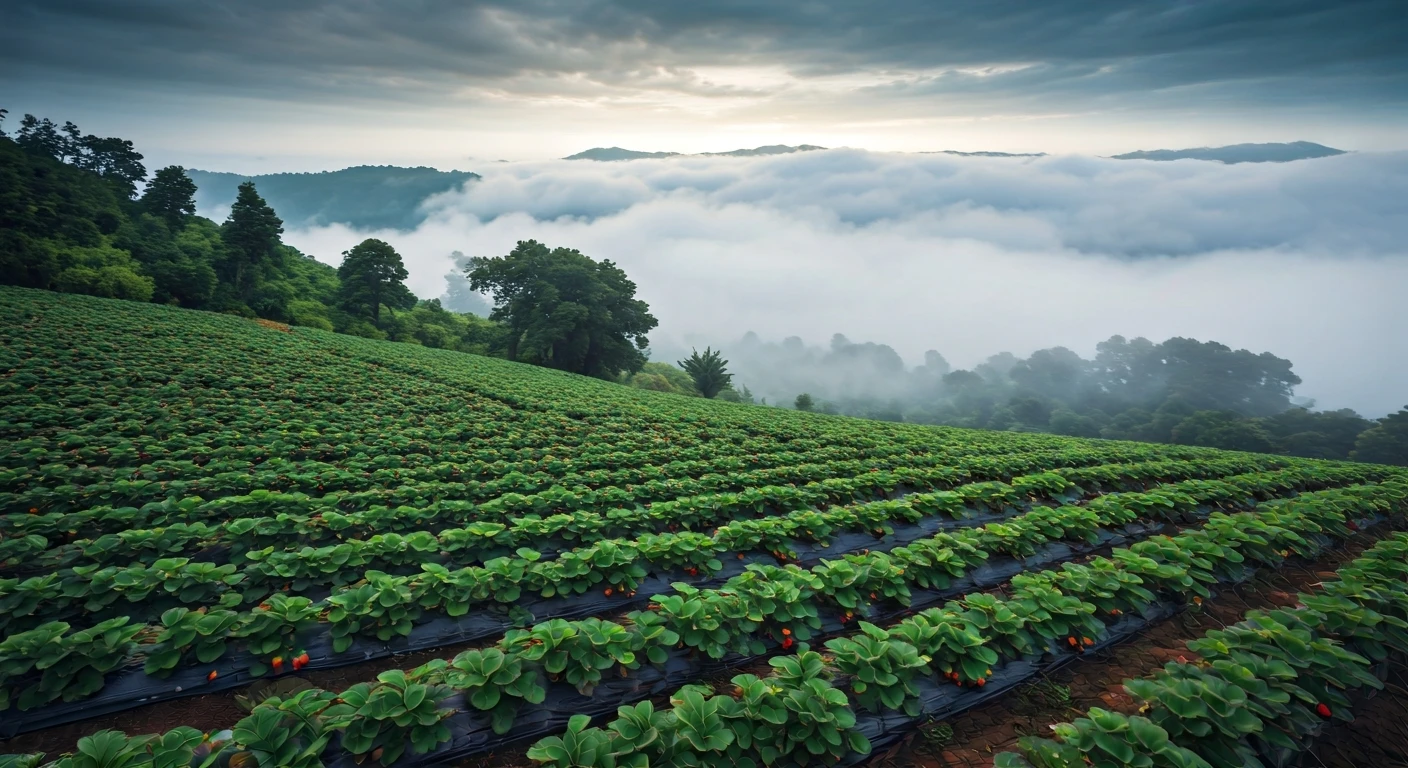
While history provides the foundation, modern Mahabaleshwar thrives on much more. The town is the strawberry capital of India, and from December to March, its fields are bursting with red fruit. Visitors can tour farms, pick their own berries, and indulge in an array of fresh strawberry creations, from creamy milkshakes to elaborate desserts. Beyond the sweet treats, the region is a natural playground. Venna Lake, an artificial lake built in 1842, is the town's nucleus, offering boating and horseback riding along its shores. A network of scenic viewpoints, with names like Arthur’s Seat, Elephant’s Head Point, and Kate’s Point, provide breathtaking vistas of the surrounding canyons and waterfalls, especially just after the monsoon season when the landscape is impossibly lush. This blend of simple, natural pleasures is what keeps families and friends coming back, year after year.
The Enduring Legacy of Escape
The phenomenon of the hill station is a fascinating example of how a colonial construct has been wholly embraced and adapted by modern India. The British may have created them for their own comfort, but the need for respite from urban life is a universal one. Today, the appeal of Mahabaleshwar has little to do with its colonial past and everything to do with its timeless offerings: nature, tranquility, and a refreshing change of pace. For American travelers accustomed to seeking out national parks or mountain towns like Aspen or the Adirondacks for a break, Mahabaleshwar offers a familiar concept in a distinctly Indian context. It's a reminder that the desire to get above it all, to breathe cleaner air and see a wider horizon, is a fundamental part of the human experience, connecting a 19th-century British officer to a 21st-century software engineer from Mumbai.