



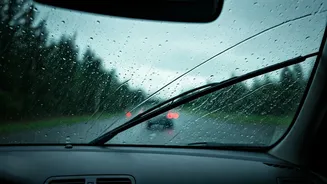



1. Inspect Your Wiper Blades
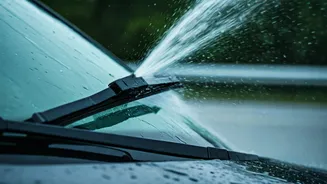
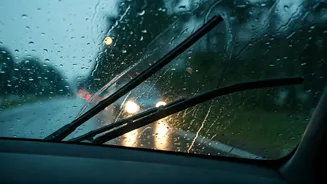
Your windshield wipers are your first line of defense against a downpour. If they leave streaks, chatter across the glass, or fail to clear water in a single swipe, they are past their prime. Visually inspect the rubber blades for cracks, tears, or stiffness.
A good rule of thumb is to replace them every six to twelve months, especially if you live in a region with extreme sun or heavy rain. Don't forget the rear wiper if you have one. New blades are an inexpensive and highly effective safety upgrade that provides a clear field of vision when you need it most.
2. Check Your Tire Tread and Pressure
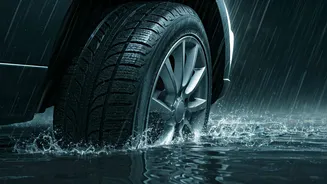
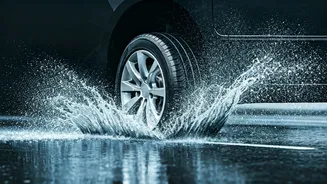
Your tires are the only part of your car that touches the road, and their ability to grip is severely tested in the rain. The deep grooves in your tires are designed to channel water away, preventing a dangerous situation called hydroplaning where the tire rides on a thin layer of water instead of the pavement. To check your tread depth, use the classic penny test: insert a penny into the tread with Lincoln's head upside down. If you can see the top of his head, your tires are worn and it's time for a new set. Also, check your tire pressure when the tires are cold. Properly inflated tires provide better traction and more predictable handling on slick surfaces.
3. Test All Exterior Lights
In a heavy storm, visibility drops for everyone. Your lights aren't just for helping you see; they're crucial for helping other drivers see you. Have a friend or family member help you perform a quick check. Turn on your headlights (both low and high beams), tail lights, brake lights, and turn signals to ensure every bulb is working. A burned-out brake light can be especially dangerous on a wet highway where stopping distances are longer. Also, wipe down your headlight lenses. If they've become yellowed or hazy, they can significantly reduce the amount of light reaching the road. Headlight restoration kits are widely available and can make a huge difference.
4. Treat Your Windshield
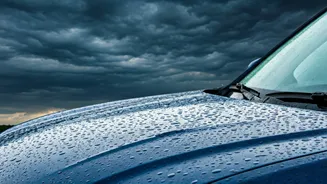
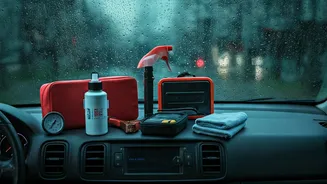
For an extra layer of visibility, consider applying a hydrophobic glass treatment to your exterior windshield. These products, often available as sprays or wipes, create a surface that causes water to bead up and roll right off, especially at highway speeds. This can dramatically improve visibility during light to moderate rain, sometimes reducing the need to use your wipers at all. While you're at it, give the *inside* of your windshield a thorough cleaning with a dedicated glass cleaner. Interior grime and film can cause the glass to fog up much more quickly in damp, humid conditions.
5. Check Your Defroster and A/C
A foggy windshield can be just as blinding as a torrential downpour. When it's cool and rainy outside, the moisture from your breath and the damp air can quickly condense on the inside of your glass. Test your car's climate control system to make sure the defroster directs a strong flow of air to the windshield. More importantly, ensure your air conditioning is working. The A/C system is an excellent dehumidifier; running it with your defrost setting (even with the heat on) will clear a foggy windshield far faster than heat alone.
6. Listen to Your Brakes
Wet roads mean longer stopping distances. It’s simple physics. This makes the condition of your brakes more critical than ever. You don’t need to be a mechanic to perform a basic check. When you’re driving in a safe, low-traffic area, pay attention to how your brakes feel and sound. Do you hear a high-pitched squeal or a low-pitched grinding noise? Does the brake pedal feel spongy or does the car pull to one side when you brake? These are all warning signs that your brake pads, rotors, or fluid may need professional attention. Addressing a minor brake issue before the rainy season is a vital safety investment.