


The Art of Rainy Day Eating
In the United States, we might associate rainy days with a pot of chili or a grilled cheese sandwich. But in South Asia and parts of Southeast Asia, the arrival of the monsoon season—the months-long period of heavy rain—kicks off a specific and beloved
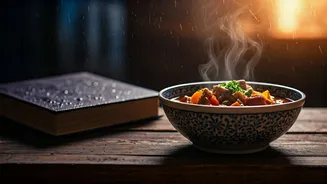
culinary ritual. "Monsoon food" isn't a single cuisine; it's a category of eating centered on dishes that provide a sensory contrast to the damp, cool weather. Think hot, crispy, savory, and spicy foods that warm you from the inside out. It's less about a formal recipe and more about a feeling: the deep satisfaction of biting into something piping hot while listening to the sound of rain against the window. This tradition transforms a dreary day into an opportunity for cozy indulgence and connection.
Star of the Show: The Pakora
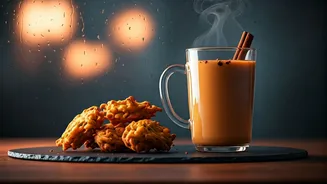
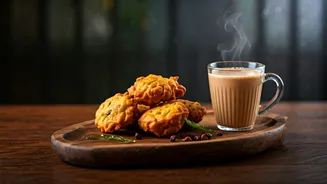
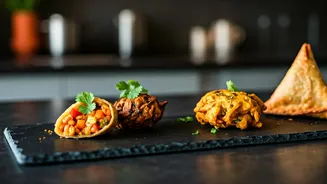
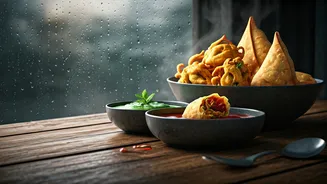
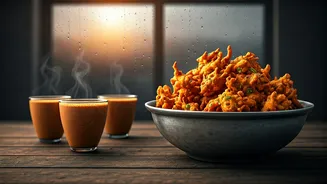
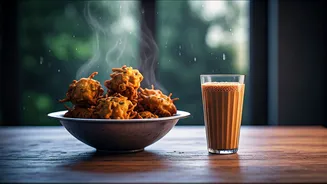
If there’s one dish that defines monsoon eating, it’s the pakora. Known as bhaji in some regions, these are essentially savory fritters. Thinly sliced vegetables like onions, potatoes, spinach, or cauliflower are coated in a spiced chickpea flour batter and deep-fried until golden and crunchy. They emerge from the hot oil impossibly crisp on the outside and tender on the inside, steaming with an aroma of cumin, coriander, and turmeric. Served alongside a tangy mint-coriander chutney or a sweet tamarind sauce for dipping, pakoras are the ultimate communal snack. Families gather to share platters of them, freshly made and too hot to hold for more than a second. For anyone new to this concept, the humble pakora is the perfect and most delicious starting point.
The Perfect Partner: Masala Chai
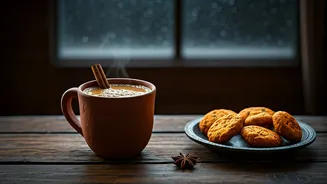
You can’t talk about monsoon snacks without mentioning their essential companion: masala chai. This isn't the bland, vaguely spiced “chai tea latte” you find at many American coffee shops. Authentic masala chai is a potent, soul-warming brew of black tea, milk, and a fragrant blend of spices like cardamom, ginger, cloves, and cinnamon, all simmered together and sweetened to taste. The milky sweetness and warming spice of the chai perfectly cuts through the richness of the fried pakoras. The combination is a classic for a reason. Holding a steaming cup of chai on a rainy afternoon is a ritual in itself, a moment of pause and comfort that elevates the entire experience from a simple snack to a cherished tradition.
Beyond the Fritter
While fried foods are central to the monsoon vibe, the tradition is broader than just pakoras. Another street-side favorite is bhutta, or roasted corn on the cob. Vendors roast ears of corn over hot coals until they're lightly charred, then rub them with salt, chili powder, and a squeeze of lime juice. The result is a smoky, spicy, tangy snack that’s eaten right off the cob. In other regions, a steaming bowl of Thukpa (a Tibetan noodle soup popular in the Himalayas) or a spicy Samosa Chaat—crushed samosas topped with yogurt, chutneys, and spices—provides a more substantial meal that delivers the same comforting warmth. The common thread is food that feels like a hug in a bowl (or on a plate), specifically designed to counteract the gloom outside.
How to Bring the Vibe Home
You don't need to book a flight to Mumbai to get in on this. The next time it rains, lean into it. Look up a local Indian, Pakistani, or Nepali restaurant and order a plate of pakoras and some samosas for delivery. The experience of unpacking those hot, fragrant boxes while it pours outside is wonderfully transportive. Better yet, try making them yourself. A basic pakora batter is surprisingly simple (just chickpea flour, water, and spices), and you can use almost any vegetable you have on hand. Making a pot of real masala chai on the stovetop is another easy win. It’s not about achieving perfection; it’s about embracing the spirit of the tradition and creating a small moment of delicious, weather-appropriate joy.