


The Peak of the Content Treadmill
For years, the path to success as a fitness influencer was a straightforward, if exhausting, numbers game. The goal was to go viral. This meant mastering the art of the short-form video—the Instagram Reel or TikTok clip—that could capture fleeting attention.
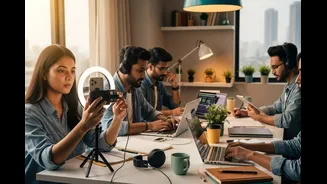
Success was measured in views, likes, and shares. The business model was equally direct: amass a huge following, then monetize that attention through brand sponsorships. A creator with a million followers might get paid to hold a can of a new energy drink, wear a specific brand of leggings, or use a particular massage gun on camera. This model created a frantic, never-ending content treadmill. Influencers were beholden to the whims of the algorithm, which rewarded constant output and trend-chasing above all else. If a particular dance or audio clip was trending, you’d see hundreds of fitness creators doing kettlebell swings to it, hoping for a temporary boost in visibility. It was effective for grabbing eyeballs, but it was also a shallow and precarious way to build a career.
Why 'Going Viral' Stopped Being Enough
The cracks in the 'viral-first' model have been showing for some time. First, there's the burnout. Constantly creating content designed to please a fickle algorithm is mentally and creatively draining. A single change in Instagram's code could decimate an influencer's reach overnight, making their income stream dangerously unstable. Second, brands themselves have gotten smarter. They’ve realized that a creator with a million disengaged followers who only showed up for a funny video isn’t as valuable as a creator with 50,000 deeply invested fans. The one-off sponsorship, where an influencer is just a temporary billboard, is losing its appeal in favor of deeper, long-term partnerships and affiliate models. Most importantly, influencers realized they were building their empires on rented land. Their entire business was dependent on platforms like Meta and TikTok, which could change the rules, suspend their accounts, or simply fade into irrelevance at any time. The need to own the relationship with their audience became paramount.
From Influencer to Founder
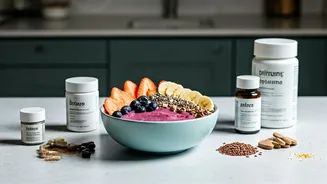
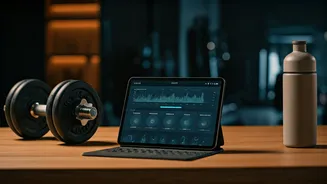
The new playbook is about diversification and ownership. Instead of just being content creators, top-tier fitness influencers are becoming founders and CEOs. They are moving their most loyal followers from a public social feed to a private, owned ecosystem. The most prominent example is the explosion of custom fitness apps. Rather than giving away free workouts on Instagram, influencers are launching subscription-based apps that offer structured programs, meal plans, and community features. For a monthly fee, users get a curated, high-value experience far beyond what a random Reel can offer. This is a fundamental shift from monetizing brand access to monetizing their own expertise directly. The follower becomes a customer. We're also seeing a surge in physical products. This goes beyond slapping a logo on a t-shirt. Influencers are launching their own lines of supplements, resistance bands, and even high-end home gym equipment. They are leveraging their credibility and deep understanding of their audience’s needs to create products they know will sell, cutting out the middleman entirely.
Building a Moat Around the Business
Every one of these moves—the app, the product line, the paid newsletter, the in-person wellness retreat—is about building a durable business with a protective 'moat' around it. An email list or a list of app subscribers is an asset that the influencer owns directly. They can contact their community without having to pray the algorithm shows them the post. This direct line of communication is the new gold. This strategy also fosters a much deeper sense of community. A subscriber paying $19.99 a month for a fitness program is infinitely more invested than a passive follower who double-tapped a video. These owned platforms allow for two-way communication, creating a loyal base that feels like part of an exclusive club. This loyalty is what allows an influencer to weather platform changes and build a brand that lasts longer than the latest TikTok trend.