



So, What Exactly Is Fibermaxxing?
At its core, 'fibermaxxing' is a catchy, social media-friendly term for a very old concept: deliberately increasing your dietary fiber intake. On platforms like Instagram Reels and YouTube Shorts, you’ll see young Indians blending thick, sludgy-looking
drinks, often featuring psyllium husk (a common fiber supplement), chia seeds, basil seeds, and fruit. The goal? To improve gut health, promote regularity, reduce bloating, and achieve a feeling of 'internal cleansing.' It’s the 21st-century digital rebranding of what nutritionists have been advising for decades. The trend isn't about discovering a new miracle ingredient, but about creating a ritual and a community around the consumption of fiber, complete with satisfying before-and-after aesthetics and hashtag-driven challenges.
The Social Media Glow-Up
Like most Gen Z trends, fibermaxxing is deeply intertwined with visual culture. The appeal isn't just the purported health benefit, but the performance of wellness itself. Influencers showcase their 'fiber cocktails' in stylish glassware, document their 'debloating' journeys, and share recipes that are as photogenic as they are fibrous. This ties into the global 'that girl' aesthetic, where wellness is a key component of a curated, aspirational lifestyle. For many young people, participating in the trend is a way to signal that they are taking control of their health, optimizing their bodies, and participating in a modern, global conversation about self-care. It’s less about the bland medical advice of 'eat more vegetables' and more about joining a movement that promises a 'glow up' from the inside out.
A Modern Twist on Traditional Remedies
Here's where the trend gets uniquely Indian. Many of the core ingredients of fibermaxxing are not new to the subcontinent. Psyllium husk, known locally as 'isabgol,' has been a staple in Indian households for generations, often administered by mothers and grandmothers as a reliable home remedy for digestive issues. What Gen Z has done is take this unglamorous, almost medicinal staple and repackage it for the digital age. They've stripped it of its old-fashioned connotations and rebranded it as a cool, proactive wellness hack. It’s a fascinating example of a younger generation rediscovering and re-contextualizing traditional knowledge. Instead of being something your grandma makes you drink, isabgol is now the star ingredient in a trendy 'internal shower' drink you saw on Instagram.
The Context of Wellness in New India
This trend didn't appear in a vacuum. It’s happening against the backdrop of a booming wellness industry in urban India. A growing middle and upper class, increased exposure to global health trends, and rising concerns about lifestyle-related health issues have created a fertile ground for fads like fibermaxxing. For a generation grappling with academic pressure, career anxiety, and the often-processed foods of a fast-paced urban life, the idea of a simple, controllable 'fix' for their internal health is incredibly appealing. Fibermaxxing offers a sense of agency—a small but concrete step they can take to feel better, look better, and align themselves with a global ideal of health and fitness.
The Expert's Reality Check
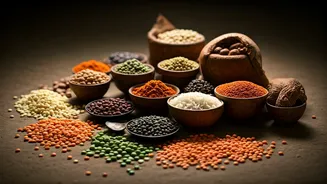
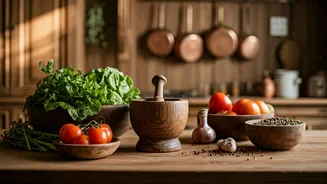
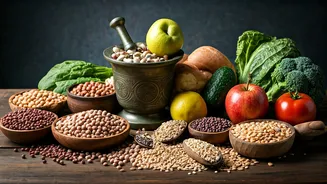
While dietitians are generally pleased to see people focusing on fiber—a nutrient notoriously lacking in many modern diets—they also caution against the 'maxxing' aspect. Suddenly introducing a massive amount of fiber can lead to the very symptoms the trend promises to cure: uncomfortable bloating, gas, and digestive distress. Health professionals warn that fiber intake should be increased gradually, alongside plenty of water, to allow the digestive system to adapt. Furthermore, relying solely on supplements and 'sludges' can overshadow the importance of getting fiber from whole foods like vegetables, legumes, and whole grains, which provide a much broader spectrum of essential nutrients. The trend is a good starting point for a conversation about gut health, but it shouldn't be the final word.