


An Unplugged Paradise
Tucked away in the Kullu district of Himachal Pradesh, Tirthan Valley feels like a world apart from the usual tourist circuit. It’s the gateway to the Great Himalayan National Park, a UNESCO World Heritage Site, which means much of the area is protected,
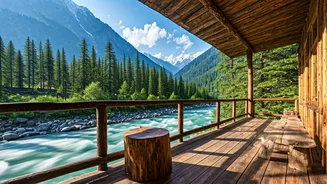
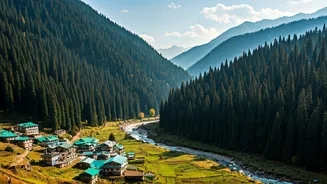
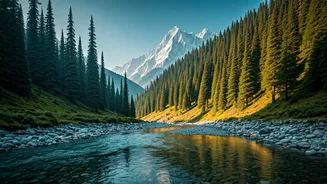
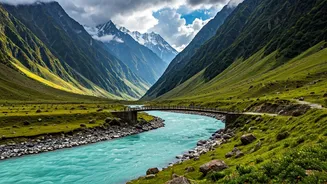
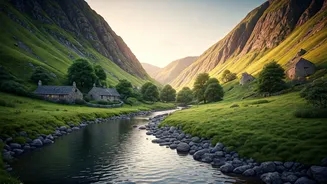
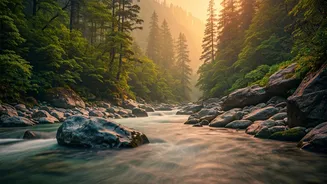
pristine, and blissfully undeveloped. There are no sprawling resorts or noisy market streets here. The 'quiet' in the headline is literal. The valley is a collection of small, scattered villages like Gushaini, Nagini, and Jibhi, where life moves at the pace of the seasons. Cellular service can be spotty, and Wi-Fi is a sometimes-luxury, not a guarantee. But that’s precisely the point. It’s a destination that gently forces you to disconnect from your devices and reconnect with your surroundings, your travel partner, and yourself. The primary soundtrack is the Tirthan River, a crystal-clear waterway that flows down from the Himalayan glaciers and shapes the entire life of the valley.
A Different Shade of Green
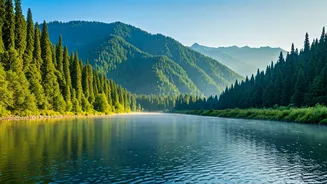
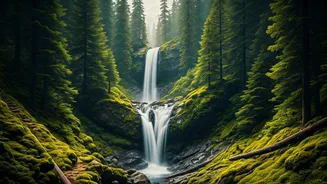
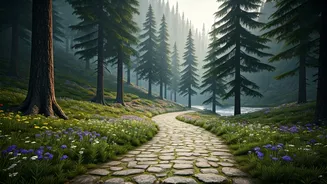
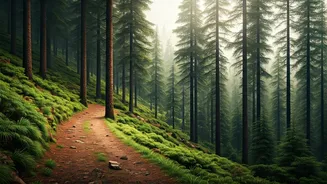
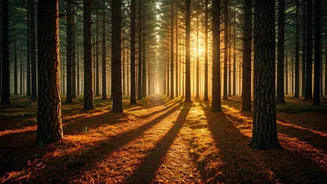
The 'green' of Tirthan Valley is not just a single color; it’s an entire palette. The hillsides are covered in dense forests of pine and deodar cedar, creating a fragrant canopy that filters the mountain sunlight. Terraced fields, where locals grow corn and apples, add strokes of vibrant green against the darker forest backdrop. Because the valley is part of a protected eco-zone, the biodiversity is staggering. A simple walk can turn into a nature documentary. You might spot a soaring lammergeier (a type of vulture) or a brilliantly colored monal pheasant, the state bird of Himachal. The air itself feels clean and alive. This isn't the manicured green of a city park; it’s a wild, breathing ecosystem that invites you to be a quiet observer. Hikes don’t just lead to viewpoints; they take you through ancient forests and past hidden waterfalls, each corner revealing another layer of nature’s artistry.
The Romance of Simplicity
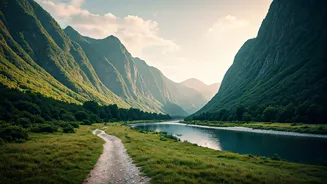
Romance in Tirthan Valley isn’t about champagne and rose petals. It’s about sharing a pot of hot chai on a chilly morning, reading a book by the river, or taking a long, meandering walk with no destination in mind. It's found in the cozy, family-run homestays that dot the valley, where your hosts welcome you like old friends and cook you simple, delicious Himachali meals. Evenings are often spent around a bonfire, sharing stories under a sky bursting with stars, far from the light pollution of any major city. This shared simplicity fosters a unique kind of intimacy. The absence of commercial distractions—no malls, no movie theaters, no tourist traps—leaves you with nothing but time and nature. It’s a place to talk, to listen, and to simply be together. The romance here is slow, quiet, and deeply rooted in the peaceful environment.
What You'll Actually Do
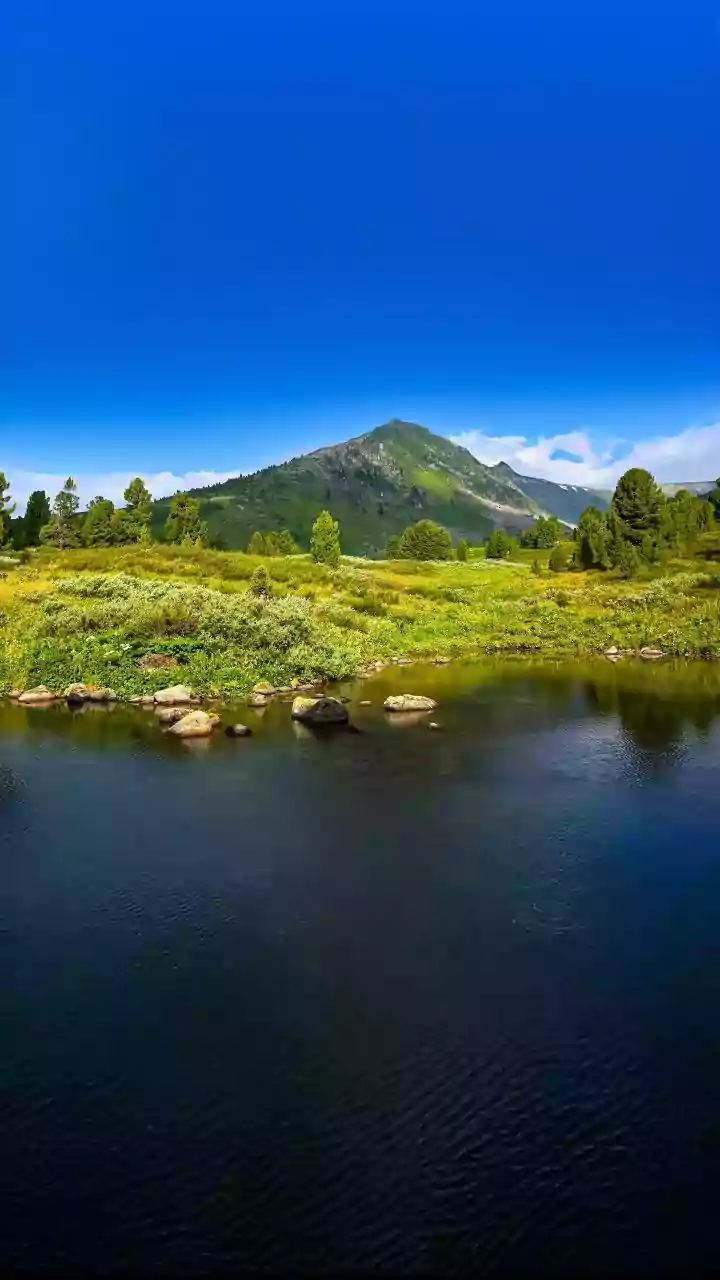
A trip to Tirthan is less about a packed itinerary and more about embracing a handful of gentle activities. The valley is famous for its trout fishing; the clear, cold waters of the Tirthan River are perfect for angling, and even novices can get a permit and try their luck. Hiking is the main event, with trails ranging from easy riverside strolls to multi-day treks into the Great Himalayan National Park. Popular short hikes include the trails to Choi Waterfall, a sacred cascade hidden in the forest, and the trek up to Serolsar Lake, a serene high-altitude body of water near the village of Jibhi. You can also spend a day exploring the unique architecture and slow-paced life of nearby villages. The goal isn't to check off a list, but to immerse yourself in the experience, whether that’s casting a line into the river or finding the perfect rock to sit on and watch the world go by.