

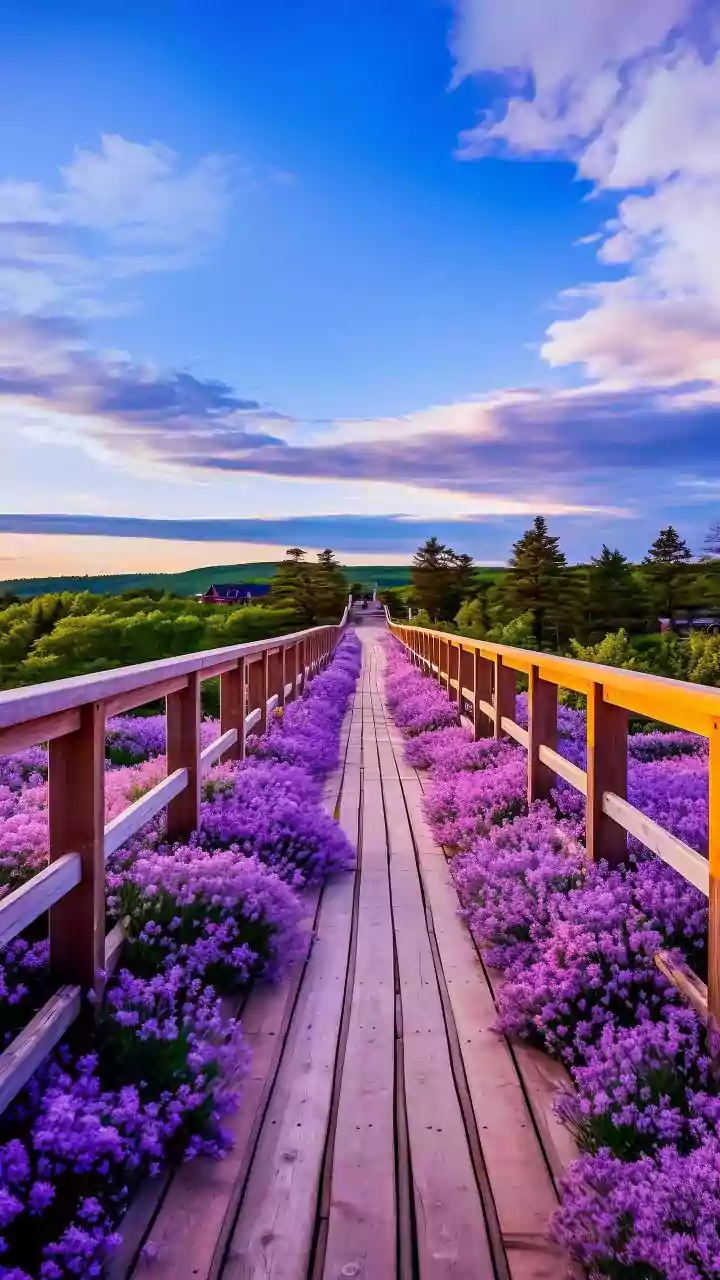



Embracing the ‘Green Season’
For decades, the travel industry operated on a simple binary: high season and low season. High season meant sun, crowds, and peak prices. The low, or “off,” season—often coinciding with a region’s monsoon or rainy period—was seen as a consolation prize
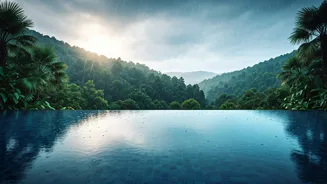
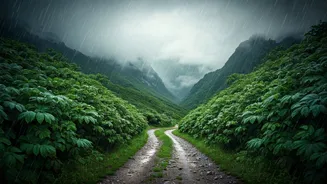
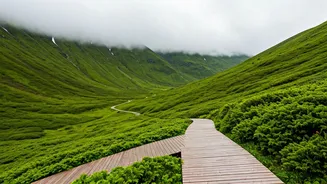
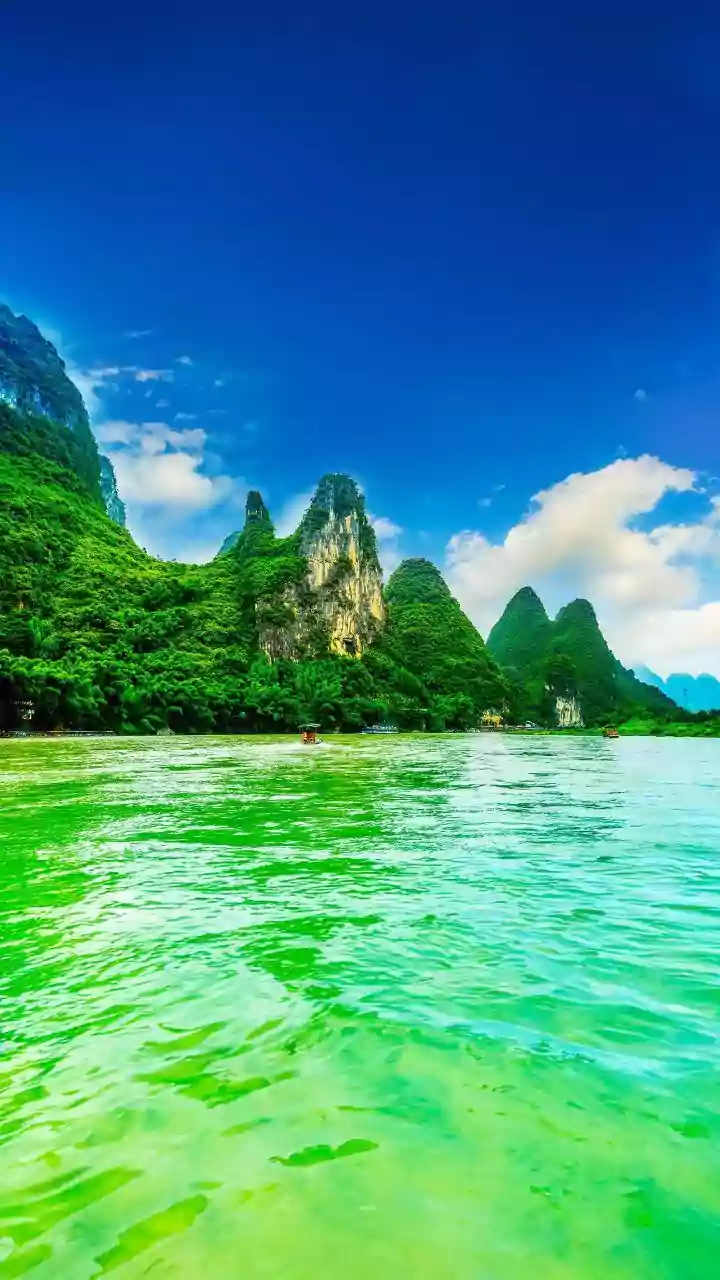
for budget travelers. Not anymore. A significant shift in travel philosophy has reframed the rainy season as the “green season.” This isn’t just clever marketing; it’s a recognition of a different kind of travel experience. When the rains arrive in destinations like Costa Rica, Thailand, or India, the landscape transforms. Dust settles, the foliage becomes impossibly lush and vibrant, and waterfalls roar back to life. For photographers and nature lovers, this is the most visually stunning time of year. The air, washed clean by daily showers, often carries the rich scent of wet earth and blooming flowers. It’s a sensory feast that sun-scorched high-season travel simply can’t offer.
A Greener Way to Travel
The move toward monsoon travel is deeply intertwined with the rise of sustainable tourism. One of the biggest problems facing popular destinations is over-tourism, which strains local infrastructure, damages ecosystems, and dilutes cultural authenticity. Traveling during the green season is an immediate and effective way to combat this. By visiting when there are fewer people, you reduce your environmental and social footprint. The economic benefits of your trip are also distributed more evenly throughout the year, providing a stable income for local communities that might otherwise struggle outside the three-to-four-month peak window. Many eco-lodges and sustainable tour operators are now specifically designing experiences for the rainy season. These might include guided rainforest hikes to see wildlife that is more active in the cooler, wetter weather, or workshops focused on indoor cultural activities, like cooking classes or craft-making with local artisans.
Smarter Planning for a Better Trip
The success of a green-season trip hinges on smart planning. This isn’t about trying to avoid the rain; it’s about working with it. Modern technology and better gear have made this easier than ever. Hyper-local weather apps can predict rainfall with impressive accuracy, allowing travelers to plan a morning hike and schedule a museum visit or a long lunch for the afternoon when a downpour is expected. In many tropical regions, the rain is not an all-day affair but a short, intense, and predictable burst. A smart traveler learns the rhythm of the local climate and adapts. Packing has also evolved. Gone are the days of bulky, leaky raincoats. Lightweight, breathable, and highly effective waterproof gear means you can stay comfortable and dry without feeling weighed down. Flexible itineraries are key. Instead of a rigid, minute-by-minute schedule, smarter travel plans include backup options, allowing for spontaneity based on the weather.
Where to Find the Best Storms
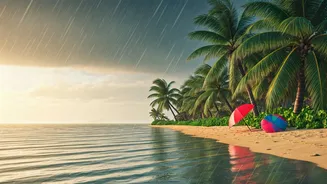
The green season looks different around the world. In Kerala, India, the monsoon is an integral part of Ayurvedic tradition; wellness retreats advertise that ancient therapies are more effective in the humid, pore-opening climate. It’s a time for healing and rejuvenation, not sightseeing. In Costa Rica, the morning is typically bright and sunny, with rains arriving in the mid-afternoon, creating a perfect and predictable schedule for adventure and relaxation. In parts of Southeast Asia, like the Gulf Coast of Thailand, travelers can find islands where the monsoon season is less intense, offering a sweet spot of lower prices and relatively good weather. The key is research. Instead of asking “when is the good season?”, savvy travelers now ask “what is the green season like here?” and choose a destination whose rainy rhythm matches their travel style.