




The Sizzle of the Sidewalk
Let’s be honest about the urban summer weekend. It often promises more than it delivers. You imagine rooftop drinks and breezy park picnics. The reality is shimmering asphalt, the roar of a thousand air conditioners, and the feeling of your shoes sticking
to the pavement. This isn't just perception; it’s science. Cities create their own microclimates, known as the “urban heat island” effect. Concrete, steel, and dark rooftops absorb and radiate the sun’s energy far more than natural landscapes. With less tree cover to provide shade and evapotranspiration (nature’s air conditioning), the city can be 5 to 10 degrees hotter than its surrounding rural areas. That’s the difference between pleasant warmth and oppressive, energy-sapping heat. A weekend spent navigating this concrete furnace isn’t a recharge; it's an endurance test.
It's Not Just in Your Head
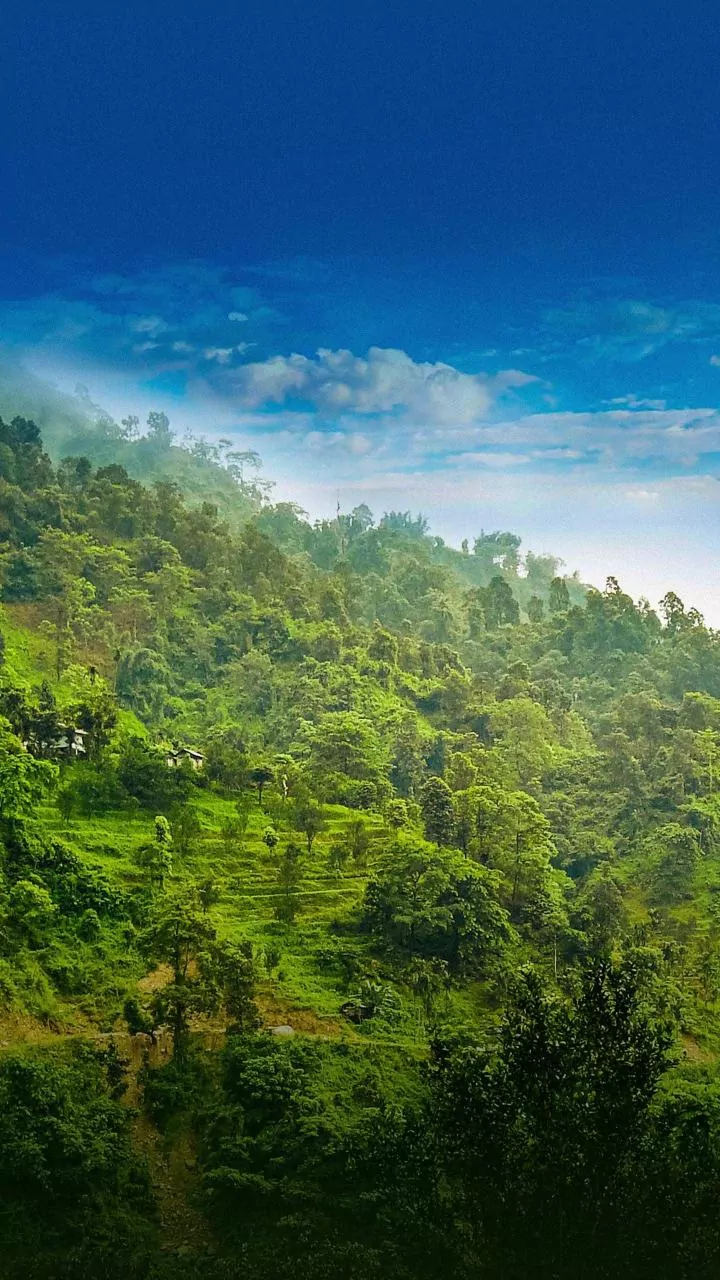
The relief you feel as you drive upward into the hills is immediate and measurable. For every 1,000 feet you climb, the temperature typically drops by about 3.5 to 5.5 degrees Fahrenheit. This is the environmental lapse rate, a basic principle of atmospheric science. A short drive from a 95-degree city basin into hills 2,000 feet up can mean you’re suddenly enjoying a perfect 85-degree day. But it's more than just altitude. The hills are a green machine built for cooling. A mature tree canopy can block up to 90% of solar radiation, and the process of transpiration from leaves actively cools the surrounding air. Unlike a city’s hard, non-porous surfaces, the forest floor absorbs rainwater, which slowly evaporates, providing another layer of natural cooling. You're not just imagining it’s more comfortable; you’ve entered a different, more pleasant ecosystem.
Trading Sirens for Songbirds
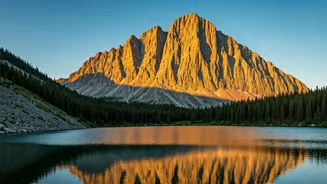
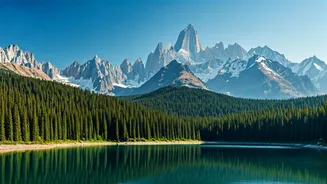
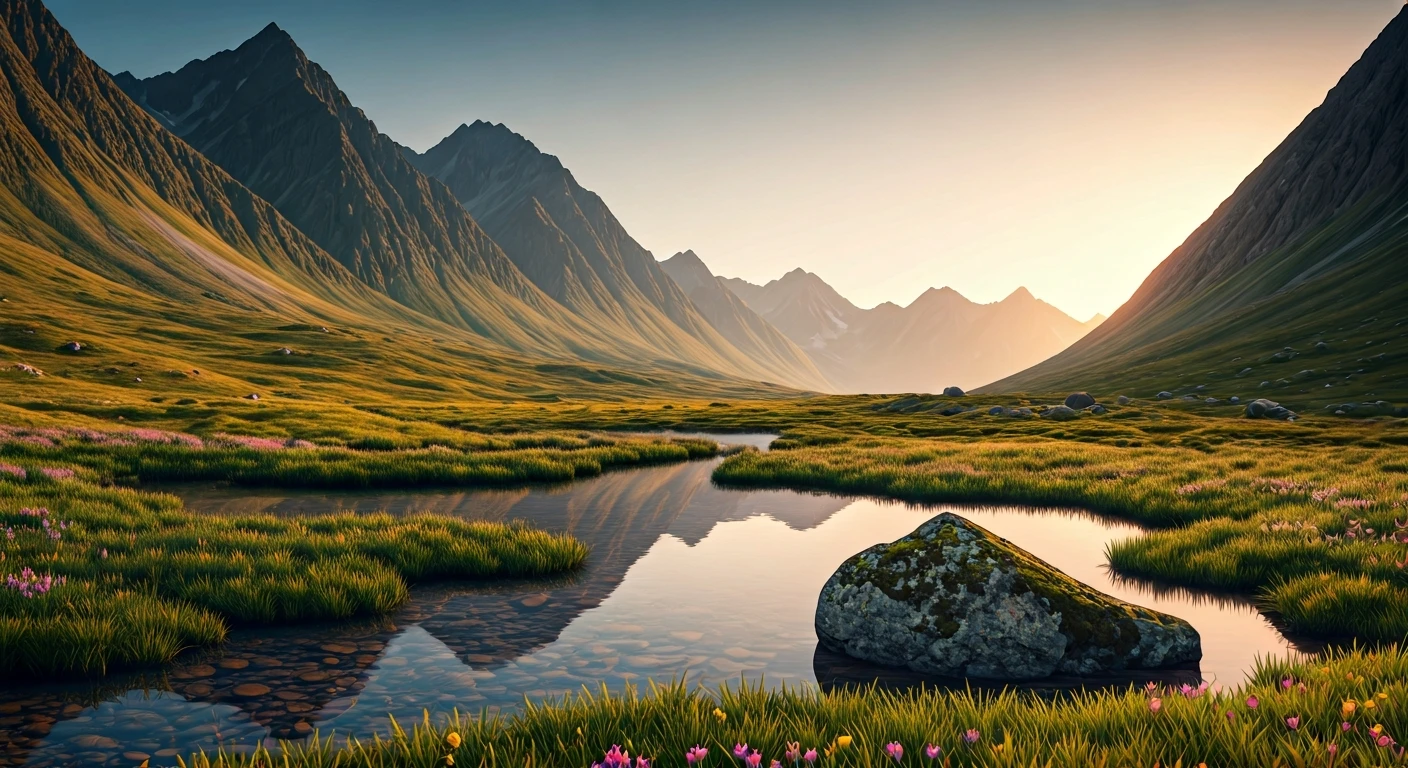
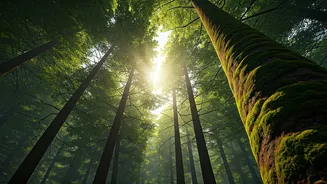
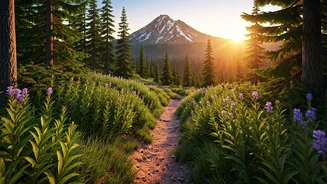
The greatest victory of the hills, however, is the sensory trade-off. In the city, your weekend soundtrack is a mix of distant sirens, the rumble of traffic, and the hum of your neighbor's window unit. Your view is often another brick wall. The prevailing scent is a cocktail of hot garbage and exhaust fumes. Compare that to the hills. The soundtrack becomes the wind rustling through leaves, the chatter of birds, and the satisfying crunch of your feet on a dirt path. The view opens up to rolling landscapes, deep green valleys, or the simple, profound beauty of light filtering through a canopy of trees. The air smells of damp earth, pine needles, and wildflowers. This isn't just pleasant; it’s restorative. Studies have shown that spending time in nature—what the Japanese call *shinrin-yoku*, or “forest bathing”—can lower stress levels, reduce blood pressure, and improve focus. You’re not just escaping the heat; you’re recalibrating your entire nervous system.
The Joy of the Getaway
Of course, there’s an effort barrier. Leaving the city requires planning, packing, and driving. It's easy to default to the path of least resistance: stay home, crank the AC, and scroll through your phone while dreaming of the outdoors. But the act of leaving is part of the magic. The deliberate choice to pack a cooler, fill up the gas tank, and point your car toward the horizon is an act of defiance against the weekend malaise. The journey itself—watching the cityscape give way to suburbs, then to open country, and finally to winding mountain roads—is a physical and mental transition. It marks a clear boundary between the obligations of the week and the freedom of the weekend. It transforms your two days off from a period of passive recovery into an active adventure, creating memories that a weekend on the couch simply can't match.