





The Post-Pandemic Road Trip Glow-Up
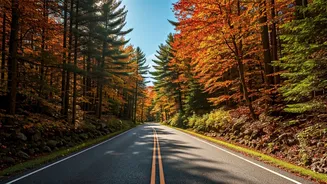
The simplest explanation is often the truest. The travel habits we formed during the pandemic have stuck around. After years of being grounded, the great American road trip was reborn, and the Northeast is perfectly suited for it. The region is densely
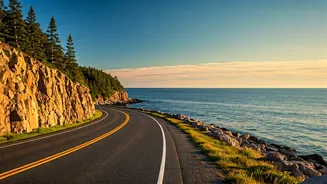
populated, meaning millions of people in New York, Boston, Philadelphia, and Washington D.C. are just a few hours’ drive from a complete change of scenery. This convenience factor cannot be overstated. Instead of dealing with airport chaos and soaring flight costs, travelers are opting for the control and simplicity of packing up the car. This pivot to 'drive-to' destinations has turned quaint towns in the Berkshires, the Catskills, and coastal New England from regional getaways into national hotspots. The infrastructure was already there; the pandemic just reminded everyone how valuable it was.
A Search for Slower, More Authentic Travel
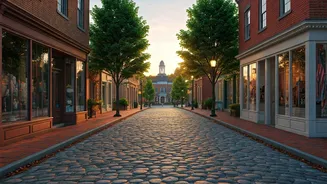
There's a palpable shift in what many Americans want from a vacation. The pendulum is swinging away from the sprawling, generic resort experience and toward something more personal and authentic. Travelers are increasingly seeking out unique, character-filled stays, like historic inns in Connecticut, farm stays in Vermont, or boutique hotels in revitalized mill towns. This trend, sometimes called 'quiet luxury,' prioritizes experience over opulence. It’s about the joy of visiting a local farmers' market, discovering a hidden hiking trail, or eating at a true farm-to-table restaurant where the 'farm' is just down the road. The Northeast, with its centuries of history, charming small towns, and deep-rooted agricultural traditions, delivers this sense of authenticity in spades. It feels grounded, real, and refreshingly disconnected from the hyper-commercialized tourism found elsewhere.
The Climate Refuge Effect
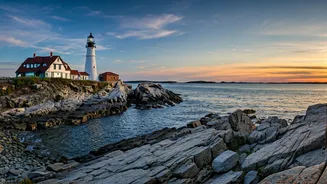
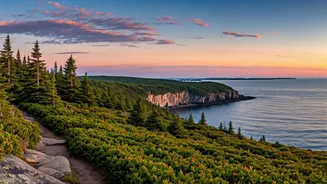
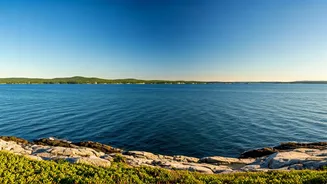
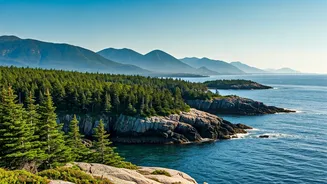
Let’s talk about the weather. As summers in the South and Southwest become increasingly defined by extreme heatwaves, the Northeast's comparatively mild climate has become a powerful draw. The idea of spending a July or August week in a place where you can comfortably hike during the day and enjoy a cool breeze at night is more appealing than ever. Travel industry analysts have noted a clear pattern of 'climate haven' tourism, where travelers actively choose destinations to escape uncomfortable or even dangerous weather at home. Maine's tourism slogan could practically be, 'Come for the lobster, stay because it's 75 degrees in August.' This climate advantage is transforming the region from primarily a fall foliage destination into a sought-after summer sanctuary, extending its peak season and boosting its economic fortunes.
Rediscovering the Four-Season Destination
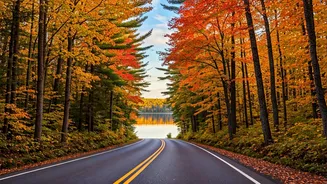
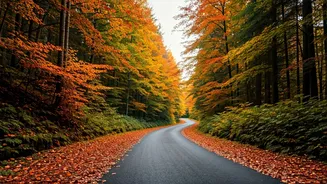
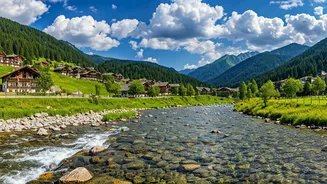
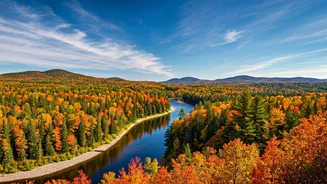
For years, the Northeast's travel identity was overwhelmingly tied to one thing: fall foliage. While the 'leaf-peeping' season remains a massive draw, travelers and tourism boards have successfully broadened the region's appeal. Summer is now anchored by coastal escapes in Maine and Cape Cod, lakeside relaxation in New York's Adirondacks, and cultural festivals in the Berkshires. Winter brings a robust ski and snowboard season to Vermont and New Hampshire, along with the cozy 'hygge' appeal of a snow-covered cabin. Spring, once a muddy and overlooked 'shoulder season,' is being rebranded with a focus on blooming flowers, gushing waterfalls, and fewer crowds. By marketing its distinct charms for every season, the Northeast has created more reasons for people to visit—and to keep coming back year-round.