





Beyond Nostalgia
Kolkata, long celebrated as India’s cultural capital, has a culinary reputation steeped in nostalgia. It’s the city of street-side *puchka* (hollow fried crisps filled with spiced water), legendary biryani houses, and colonial-era clubs serving mulligatawny
soup. For decades, its identity was tied to these beloved, unchanging traditions. But change, like the coming rain, has been building. A new generation of chefs and entrepreneurs is respectfully challenging the old guard, proving that innovation can coexist with heritage. They aren't erasing the city's culinary history; they're writing a vibrant new chapter, one that speaks a more global language while retaining a distinctively Kolkata soul.
The Global Palate Arrives
The most visible sign of this shift is the arrival of high-concept, globally inspired eateries that would be at home in New York or London. Take Fabbrica, for instance. With its authentic Neapolitan pizzas baked in a wood-fired oven, it has captured the city's imagination, serving up perfectly blistered crusts in a chic, modern space. It’s a far cry from the Indianized pizzas that once dominated the market. Similarly, the pan-India sensation Burma Burma offers a meticulously curated vegetarian Burmese menu, introducing Kolkatans to exotic dishes like the samosa soup (*samosa thoke*) in a setting adorned with Burmese crafts. These restaurants aren't just serving food; they're offering immersive cultural experiences, proving that the city's palate has become as adventurous and outward-looking as its famed intellectuals.
A Renaissance in Cafe Culture
Perhaps the most democratic expression of this new energy is the explosion of cafe culture. All over the city, from the leafy lanes of Ballygunge to the bustling Salt Lake area, aesthetically driven cafes are becoming the new social hubs. Places like Omo Bistro and Craft Coffee are more than just spots for a caffeine fix; they are design-forward havens with minimalist decor, abundant natural light, and artisanal everything. They function as co-working spaces by day, lively social spots by afternoon, and intimate date-night destinations by evening. This new breed of cafe emphasizes the entire experience—from the quality of the single-origin coffee beans to the Instagram-worthiness of the avocado toast. It reflects a younger generation's desire for spaces that are not just functional but also beautiful and inspiring.
Modernity Meets Tradition
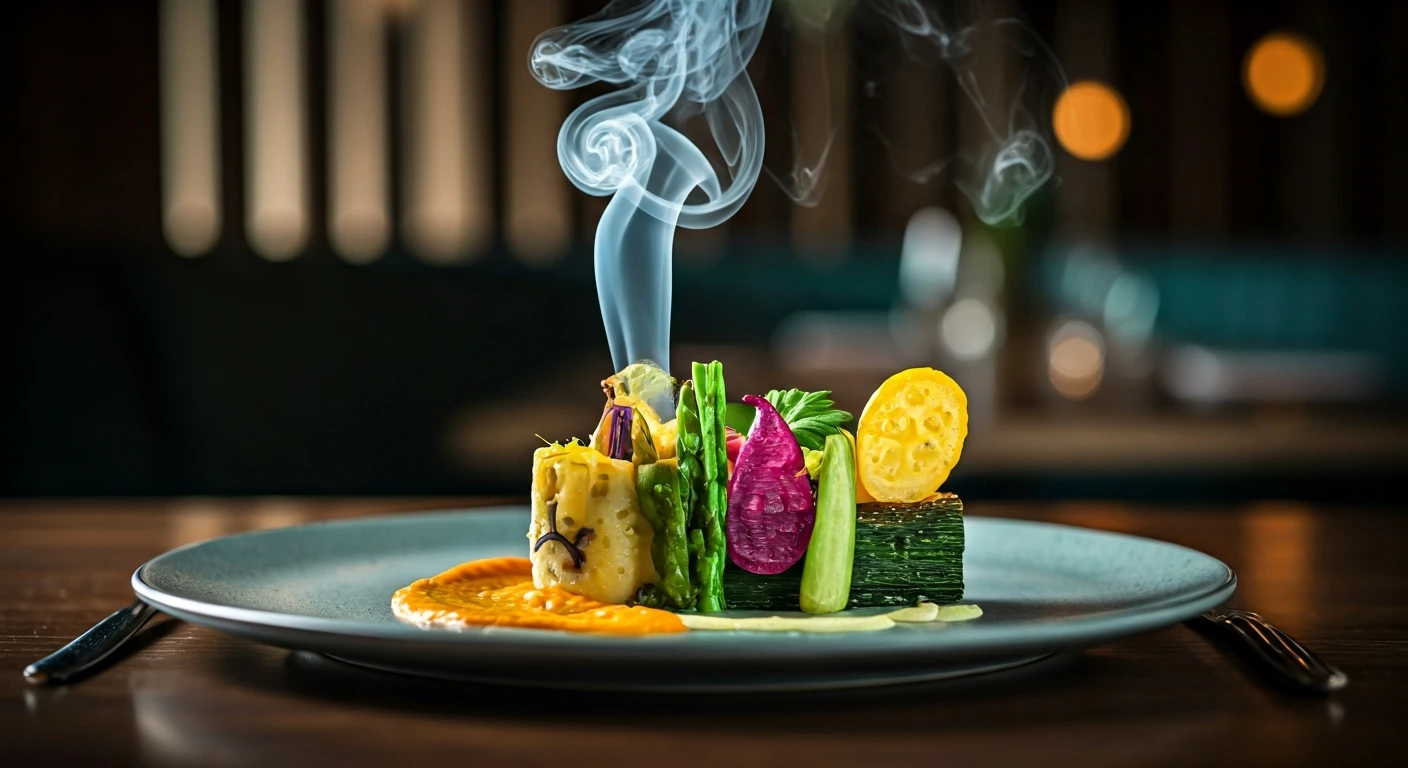
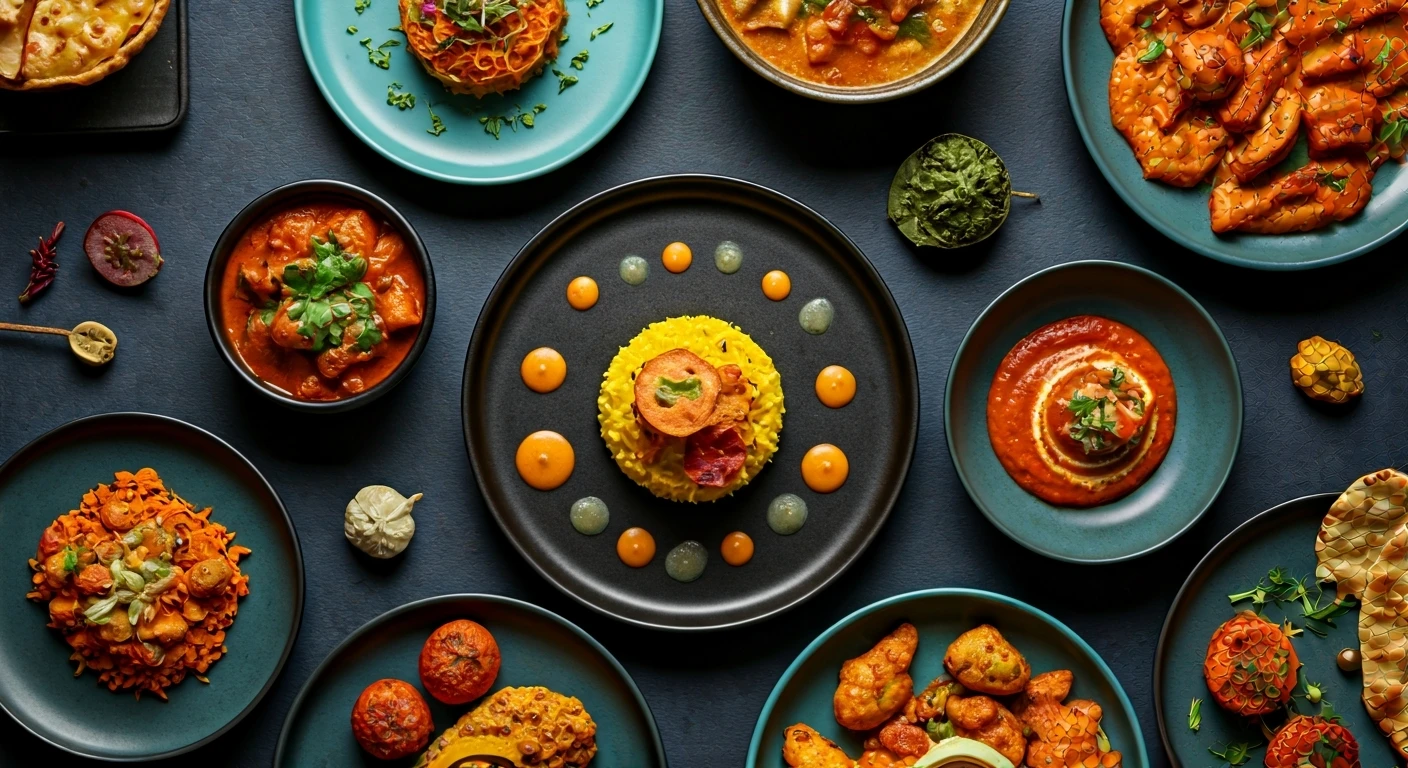
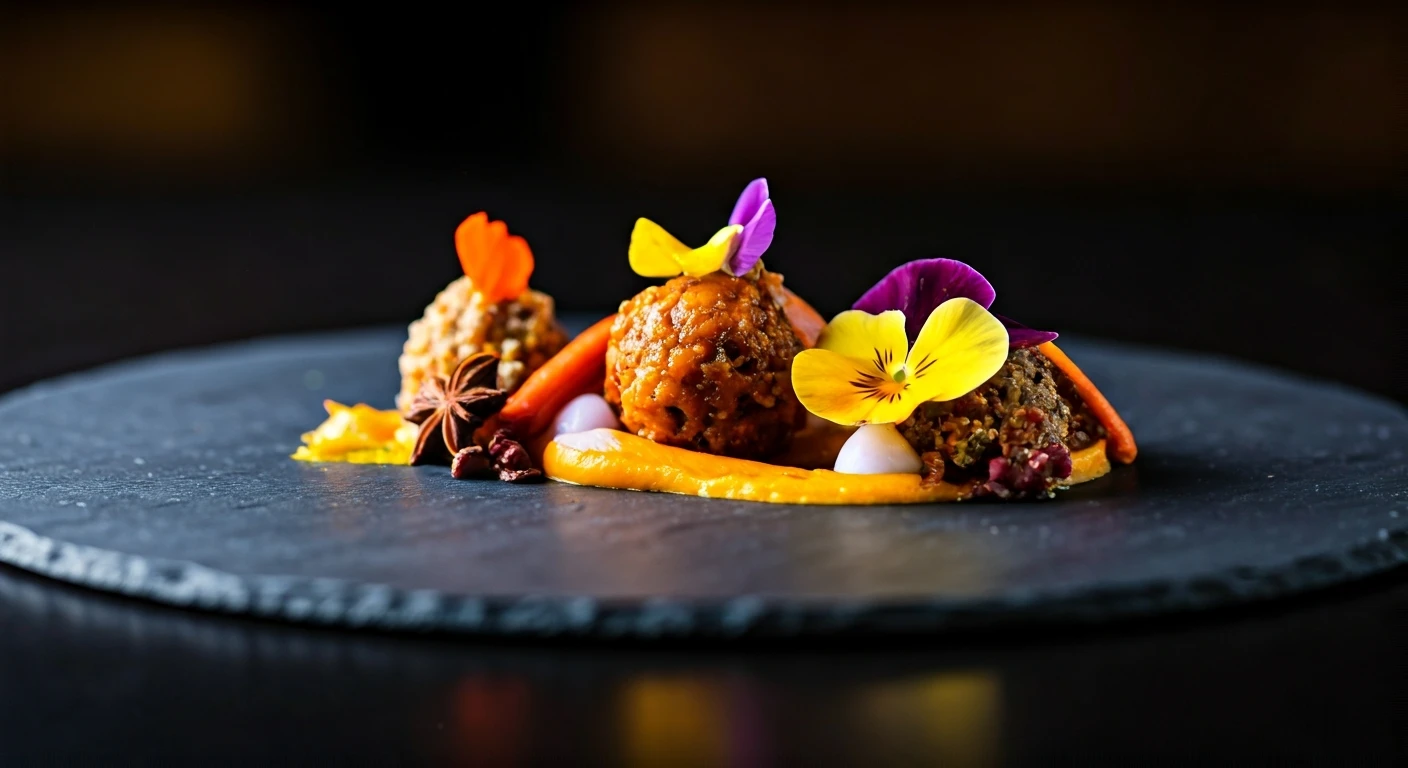
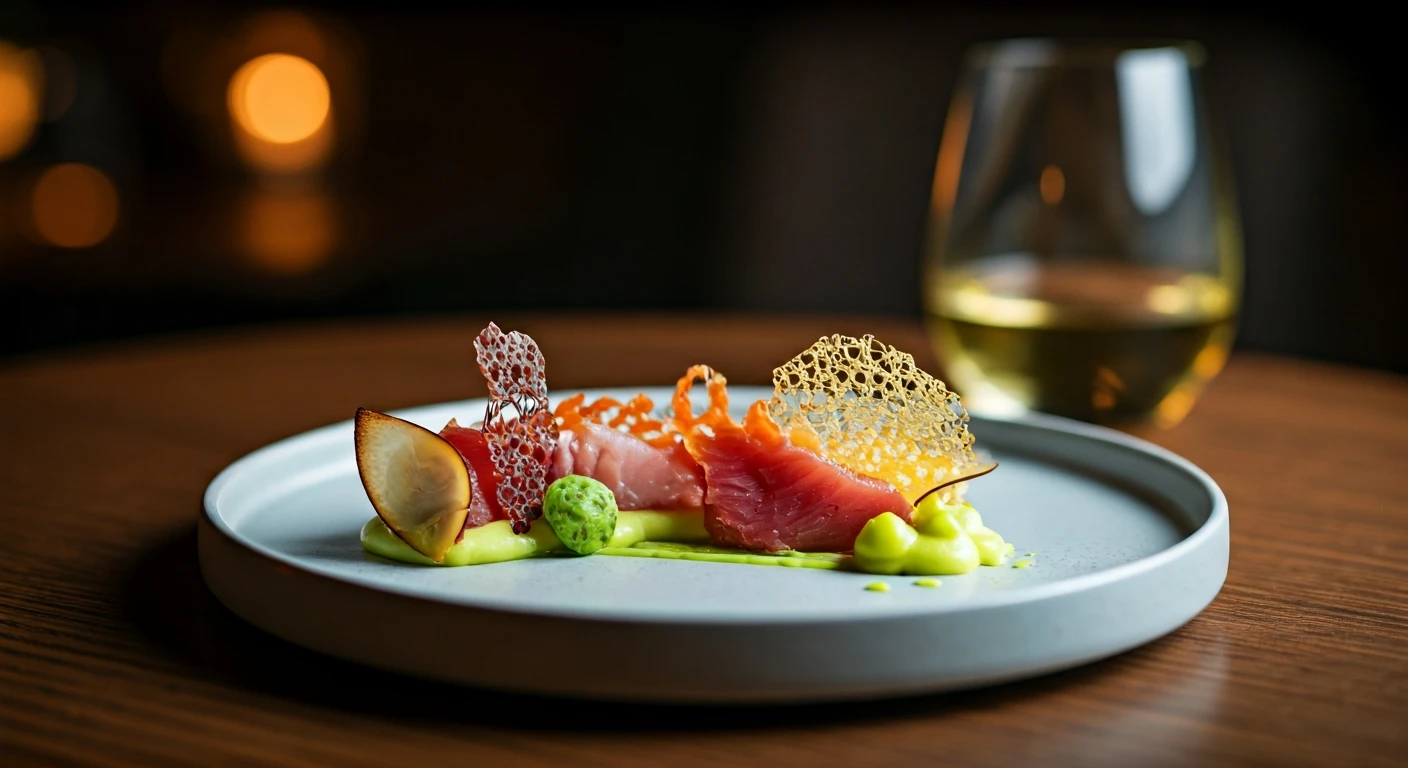
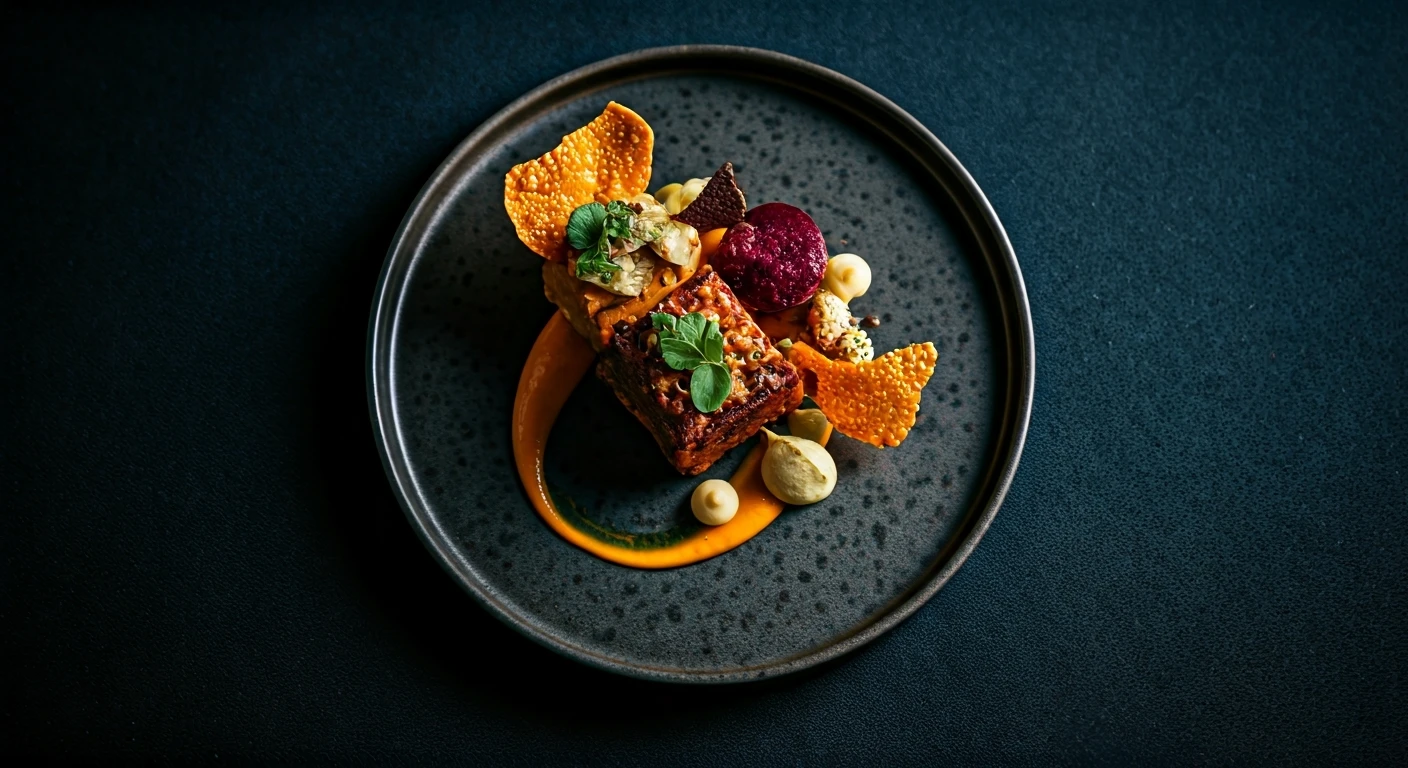
This wave of innovation isn't only about importing foreign concepts. It's also about looking inward and reinterpreting Bengal's own rich culinary traditions. Several new eateries are taking classic Bengali recipes—the kind passed down through generations—and presenting them in a refined, contemporary context. Dishes like *shorshe ilish* (hilsa fish in a mustard gravy) or *kosha mangsho* (slow-cooked mutton) are being deconstructed, reimagined, and plated with artistic flair. This approach appeals both to older patrons, who appreciate the familiar flavors, and to younger diners, who are drawn to the modern presentation. It’s a delicate balancing act that honors the past while embracing the future, ensuring that the heart of Bengali cuisine continues to beat strongly in this new, dynamic landscape.