







What Is a Diatomaceous Earth Mat?
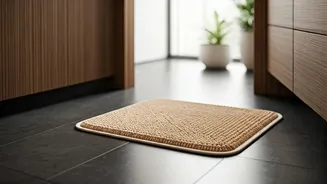
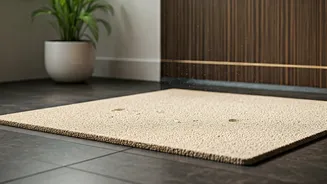
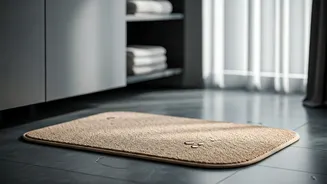
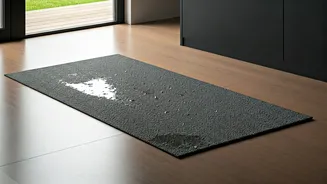
At first glance, it looks like a flat, smooth slab of light gray stone or ceramic—a far cry from the shaggy fabric or bristly coir of a traditional doormat. These mats are made from diatomaceous earth (DE), a naturally occurring, silica-rich sedimentary
rock. It’s formed from the fossilized remains of tiny aquatic organisms called diatoms. For centuries, DE has been used in everything from filtration systems to pest control. Now, its unique properties are being harnessed for a deceptively simple home solution. Unlike a fabric mat that holds water on its surface, a DE mat absorbs it, almost instantly, into its structure.
The Science of Instant Drying
The magic of a diatomaceous earth mat lies in its microscopic structure. Under a microscope, DE is revealed to be incredibly porous, composed of countless minuscule hollow particles. This structure gives it an astonishing capacity for absorption. When water from wet shoes or dripping umbrellas hits the mat’s surface, it’s immediately drawn into this vast network of pores through capillary action. The water doesn't pool or sit; it vanishes from the surface within seconds. Because the pores provide an enormous surface area exposed to air, the collected moisture evaporates very quickly, allowing the mat to air-dry itself in minutes. This process is entirely passive, requiring no heat or energy.
The Key Benefits for Your Entryway
The primary advantage is safety. By wicking moisture away on contact, these mats significantly reduce the puddles that cause dangerous slips. But the benefits don't stop there. Because they don't stay damp, DE mats are naturally resistant to mold, mildew, and the musty odors that plague fabric doormats. This makes them a more hygienic option for your home’s first line of defense against outdoor grime. Aesthetically, their minimalist, modern look appeals to those who prefer clean lines over bulky, decorative mats. They offer a sleek, unobtrusive profile that complements contemporary decor while being incredibly functional.
Important Considerations and Care
While the headline's claim to “eliminate” hazards is strong, these mats are a significant step up, not a miracle cure. It's important to understand their limitations. First, they are rigid and can be brittle. Dropping one or placing it on a very uneven surface could cause it to crack. Second, while they handle water with ease, they can become stained by mud, oils, or colored liquids. Regular cleaning is simple—usually just a rinse and air-dry—but for tougher stains or to restore maximum absorbency over time, you may need to lightly sand the surface with the included sandpaper. This process scuffs off the stained, clogged top layer and exposes fresh, porous DE underneath. They also don't scrape thick mud off boots as effectively as a coir mat, so they work best for water, not heavy debris.
Is a Stone Mat Right for You?
Deciding to switch depends on your primary frustration with your current entryway setup. If your main problem is sopping wet floors, persistent dampness, and the risk of slipping on tile or hardwood, a diatomaceous earth mat is an excellent solution. It’s particularly effective in apartments or homes with smooth flooring right by the entrance. However, if your main challenge is caked-on mud, heavy snow, or grit from a long driveway, you might find a traditional bristly mat is still a necessary first step for scraping shoes clean. Some households even use a dual-mat system: a tough scraper mat outside the door, and a DE mat inside to handle the residual moisture.