






They Choose Destinations Strategically
The first rule of winning monsoon season is knowing that not all rainy seasons are created equal. A smart traveler doesn't just show up in Bangkok in September and hope for the best. They do their research. Some destinations come alive in the rain; think
of the impossibly lush, green landscapes of Costa Rica’s “green season” or the dramatic, misty hills of India’s Western Ghats. These places are built for rain, and life continues. In contrast, other areas might be prone to debilitating floods or infrastructure shutdowns. The goal is to find places where the rain is a feature, not a bug—where it adds to the atmosphere, fills waterfalls, and creates a cozy backdrop for exploring cafes and museums. This strategic choice turns the weather from a potential vacation-ruiner into a core part of the experience.
They Pack for Performance, Not Just Style
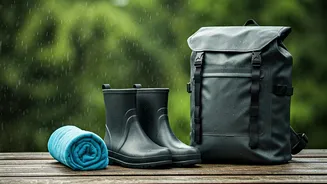
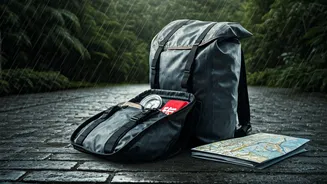
Forget fashion; flood-smart packing is all about function. The expert move isn’t just throwing a cheap poncho in your bag. It’s about building a system. This starts with materials: ditching cotton (which absorbs water and takes forever to dry) in favor of quick-drying synthetics or merino wool. A high-quality, breathable rain jacket is non-negotiable. Footwear is critical; waterproof hiking shoes or sturdy sandals with good grip (like Keens or Tevas) are essential for navigating slippery streets and muddy trails. Electronics are protected in dry bags or waterproof cases. Even the luggage itself matters—a waterproof duffel or a backpack with a built-in rain cover is a pro-level defense against a sudden downpour while you’re transferring from the airport to your hotel.
They Master the Art of Flexibility
Rigid, minute-by-minute itineraries are the enemy of happy monsoon travel. The traveler who “wins” is the one who wakes up, sees a torrential downpour, and happily pivots to their Plan B (or C, or D). Instead of a full-day trek, it might be a perfect morning for a long, leisurely breakfast, a cooking class, or exploring that quirky museum you’d otherwise have skipped. The key is to book cancellable hotels and tours where possible and to build buffer days into your schedule. Thinking in terms of possibilities rather than a fixed checklist allows you to work *with* the weather, not against it. A rained-out morning beach session becomes an opportunity to connect with locals at an indoor market, making the trip richer and more spontaneous.
They Invest in the Right Insurance
This is the least glamorous but most important tip. A standard travel insurance policy might cover a medical emergency, but it often won’t cover disruptions caused by weather. Flood-smart travelers read the fine print. They look for policies that include coverage for trip cancellations or interruptions due to severe weather events. This could be a flight canceled because of a storm or a pre-booked tour being called off due to impassable roads. Knowing that you have a financial safety net for weather-related mishaps removes a huge layer of stress. It transforms a potential travel disaster into a manageable inconvenience, allowing you to rebook or make alternate plans without taking a major financial hit.
They Prioritize Ground-Level Safety
While embracing the rain is key, ignoring its potential dangers is foolish. Experienced travelers stay informed about local conditions. This means heeding warnings about flash floods, avoiding driving through flooded roads, and being cautious on slippery cobblestones or remote trails. In many regions, they follow local news outlets or government weather alerts on social media. They also practice basic health safety, as damp conditions can bring more mosquitoes; repellent and appropriate clothing are part of the daily routine. This isn't about fear; it's about respect for the environment. By staying aware and making small, common-sense adjustments, they ensure their adventure remains exciting for all the right reasons.