






Your Student ID Is Golden
That piece of plastic in your wallet is more than just a library card; it's a golden ticket. Before you pay full price for anything, always ask, “Do you offer a student discount?” You’ll be shocked at how often the answer is yes. This applies to museum
entrances, movie theaters, historical sites, and even some restaurants. In Europe, an International Student Identity Card (ISIC) can unlock even more deals on everything from train tickets to retail shopping. Never leave home without it, and never be afraid to flash it. That simple question can save you hundreds of dollars over a single trip.
Master the Art of Overnight Travel
Why pay for a hotel room when you can get from Point A to Point B while you sleep? Seasoned student travelers live by the overnight bus or train. It's a classic two-for-one deal: you cover long distances and save the cost of a night's accommodation simultaneously. While not always the most glamorous option, it's incredibly efficient. You fall asleep in Paris and wake up in Barcelona, ready to explore. Just be sure to pack an eye mask, earplugs, and a neck pillow to make the journey as comfortable as possible. Think of it less as a hardship and more as a built-in part of the adventure.
Embrace the Shoulder Season
Everyone wants to go to Italy in July. The result? Massive crowds, scorching heat, and sky-high prices for flights and lodging. The student traveler knows to aim for the “shoulder season” instead. These are the months just outside the peak summer rush—typically April-May and September-October. The weather is often more pleasant, the crowds are thinner, and airlines and hotels are eager to fill rooms at a lower price. You get a more authentic, less stressful experience for a fraction of the cost. It’s the single biggest lever you can pull to make an “expensive” destination suddenly affordable.
The Grocery Store Is Your Best Friend
Eating out three meals a day is the fastest way to drain your travel fund. The real pro move is to make the local grocery store your first stop in any new city. Instead of expensive café breakfasts, grab yogurt and a pastry. Instead of a sit-down lunch, assemble a picnic of local bread, cheese, and fruit to enjoy in a park. It’s not just about saving money; it’s about experiencing a place like a local. You get to see what people actually eat, practice a few words of the local language, and turn your midday meal into an experience in itself.
Challenge Yourself to Carry-On Only
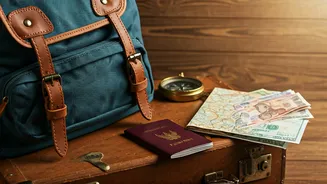
Budget airlines in Europe and Asia are famous for their cheap base fares, but they make their money on fees—especially for checked baggage. Dodging these fees is a core student travel skill. Learning to pack everything you need into a single carry-on bag is a game-changer. It not only saves you money but also time, allowing you to breeze past the baggage carousel and out of the airport. It forces you to be intentional about what you bring, and you’ll feel a sense of freedom moving through cities without a massive suitcase weighing you down. Packing cubes are your secret weapon here.
Find the Free Museum Days
Want to see the Louvre, the Prado, or the British Museum without paying a cent? You often can. Nearly every major city has specific days or times when their world-class cultural institutions are free to the public. It might be the first Sunday of the month, or every Tuesday evening after 6 p.m. A quick Google search like “free museum days in [city]” before you go can save you a significant amount of money and help you structure your itinerary. Plan your visit around these free windows, and you can soak up art and history while keeping your budget intact.