


The Green Revolution's Double-Edged Sword
To understand why India is looking backward to move forward, you have to understand the Green Revolution. In the mid-20th century, India faced the specter of famine. A massive, government-backed agricultural push focused on high-yield varieties of wheat
and rice changed everything. It was a stunning success that fed a billion people and made the country self-sufficient in grain. But that success came with a long-term cost. These miracle crops were thirsty, demanding huge amounts of water in a country increasingly prone to drought. They also relied heavily on chemical fertilizers and pesticides, which degraded the soil over time. This created a fragile monoculture system where the two main staples, while productive, were increasingly out of sync with the changing climate.
Rediscovering the 'Super Grains'
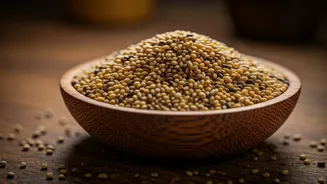
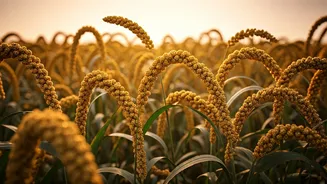
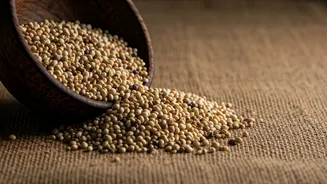
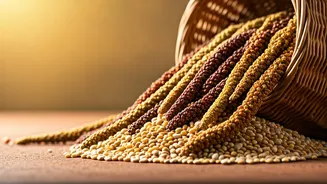
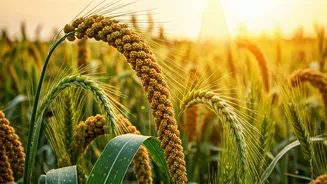
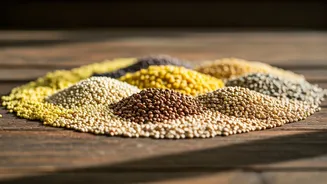
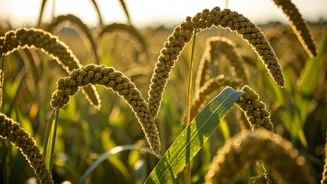
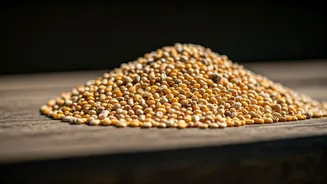
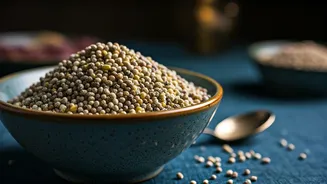
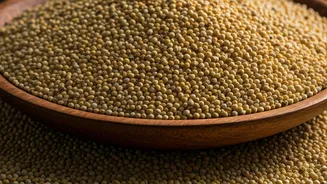
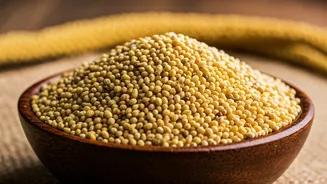
The antidote to this problem is a family of ancient grains collectively known as millets. If you’ve heard of sorghum or an “ancient grain” blend at a health food store, you’re already familiar with them. In India, they have names like jowar (sorghum), bajra (pearl millet), and ragi (finger millet). For centuries, these were the bedrock of the Indian diet. They are, in a word, tough. Millets are ridiculously climate-resilient; they can thrive in arid conditions with minimal water, grow in poor-quality soil, and are naturally more resistant to pests. A field of bajra needs a fraction of the water required by an equivalent field of rice. Recognizing this, the Indian government and the UN, which declared 2023 the 'International Year of Millets,' are championing a return to these hardy crops. They’re not just a nostalgic food; they are a strategic tool for climate adaptation.
The Power of Pulses and Legumes
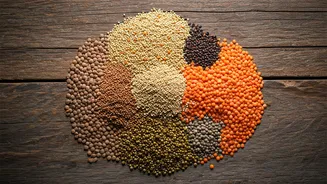
The climate hack isn’t just about grains. It’s a whole-system approach that heavily features lentils, beans, and chickpeas—collectively known as dals and pulses. These are the protein workhorses of the Indian subcontinent, forming the basis of countless stews, curries, and side dishes. Their climate benefit is twofold. First, they provide a cheap, abundant, and low-carbon source of protein, drastically reducing the reliance on land- and water-intensive animal agriculture. Second, they are a gift to the soil. As legumes, they are “nitrogen fixers,” which means they pull nitrogen from the air and store it in the ground. This naturally enriches the soil, reducing or eliminating the need for synthetic nitrogen fertilizers, which are energy-intensive to produce and a major source of greenhouse gas emissions.
A Resilient and Delicious System
The true genius of this 'hack' is how these elements work together. A traditional Indian meal plate, or thali, is a perfect illustration of this synergy. It might feature a flatbread (roti) made not from wheat but from jowar or bajra flour. Alongside it, you’ll find a hearty bowl of dal, providing protein and fiber. Add to that a couple of seasonal vegetable dishes, often using local, hardy greens and gourds that require little intervention to grow. This isn't just a random assortment of dishes; it's a nutritionally complete, agriculturally sustainable, and deeply flavorful system. It’s a diet that co-evolved with its environment, creating a cycle where diverse crops support soil health, which in turn supports food security without bankrupting the region’s water resources.