






The Old 'Healthy' Is Out
For decades, the definition of “healthy” on a food package has been stuck in the 1990s. The original rule, established in 1994, was a product of the low-fat craze. To qualify as healthy, a food had to be low in total fat, saturated fat, cholesterol, and
sodium. This led to some strange outcomes. Under these old rules, a sugary children’s cereal could be marketed as “healthy” because it was low in fat, while naturally nutrient-dense foods like salmon, nuts, and avocados were penalized for their fat content, regardless of whether it was “good” fat. It created a marketplace where food manufacturers could strip out fat, pump up the sugar and refined carbs, and still slap a health claim on the box. This outdated thinking is finally being put to rest. The FDA’s new rule is designed to align with modern nutrition science, which recognizes that the *type* of fat matters and that focusing solely on fat content is a flawed approach to judging a food's overall nutritional value.
Meet the New Definition of Healthy
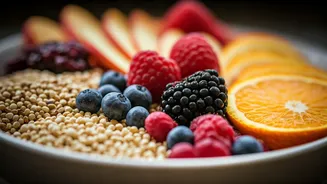
The new FDA rule, expected to be finalized and implemented by 2026, completely reframes the criteria. Instead of just focusing on what a food *lacks* (like fat), the new definition requires a food to *contain* a meaningful amount of nutrients from at least one of the key food groups recommended by the Dietary Guidelines for Americans—like fruits, vegetables, dairy, grains, or proteins. Think of it as a “food group-first” approach. After meeting that baseline, the product must then adhere to specific limits on three nutrients to watch: added sugars, sodium, and saturated fat. These limits will vary by food type, creating a more nuanced system. What does this mean in practice? Water, avocados, nuts, seeds, and high-fat fish like salmon will now be able to qualify for the “healthy” claim. Meanwhile, many sweetened yogurts, granola bars, and breakfast cereals that are high in added sugar will likely lose the ability to use the label, forcing manufacturers to either reformulate their products or drop the claim.
Why This Is Happening Now
This change isn’t happening in a vacuum. It’s part of a broader federal push to combat diet-related chronic diseases like obesity, type 2 diabetes, and heart disease, which are leading causes of death and disability in the United States. The initiative gained significant momentum from the 2022 White House Conference on Hunger, Nutrition, and Health, which aimed to improve food access and empower consumers to make healthier choices. The FDA’s argument is that the “healthy” claim is a powerful marketing tool. When consumers see it, they should be able to trust that the product contributes to a healthy diet. By modernizing the definition, the agency hopes to create a clearer, more reliable signal for shoppers navigating a confusing and often misleading food environment. It’s a direct response to decades of nutrition science evolution and a public health crisis that can no longer be ignored.
A New Symbol for Your Cart
Beyond just changing the words, the FDA is also proposing a standardized, voluntary symbol to go on the front of food packages. This would make it much easier for busy shoppers to spot qualifying products at a glance without having to turn the box over and decipher the nutrition facts panel. While the exact design is still being tested, it will likely be a simple, graphic icon that clearly communicates “healthy.” This front-of-pack labeling strategy has been successful in other countries in guiding consumers toward better choices. By making “healthy” not just a defined term but a visible symbol, the goal is to incentivize food companies to produce more nutritious products that meet the new, more rigorous standard. For consumers, it means the promise of a simpler, more honest trip to the grocery store is on the horizon.