

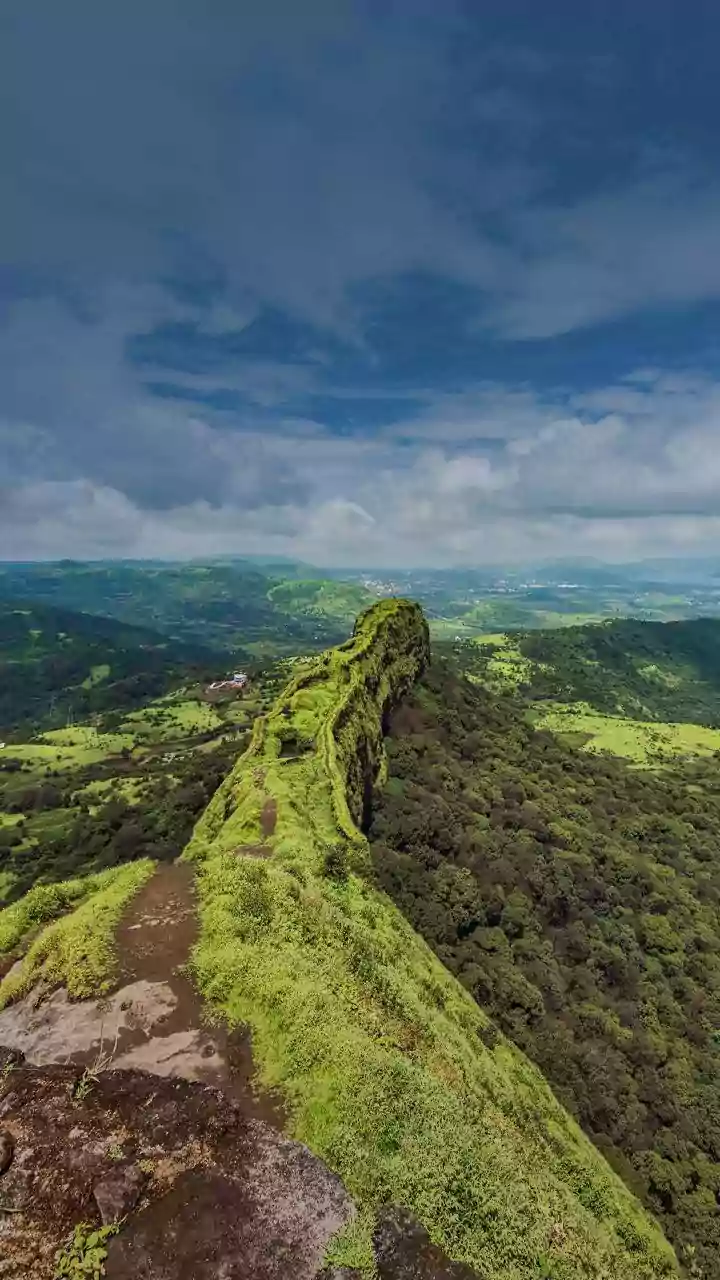






From Pinterest to Pine Trees
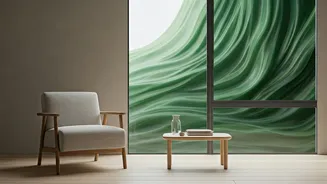
For years, the “mood board” was a digital-first concept. We pinned, saved, and screenshotted our way to an idealized aesthetic, curating visual libraries for everything from a dream vacation to a future kitchen renovation. It was a creative act, but a passive
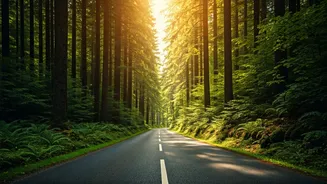
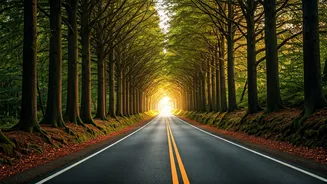
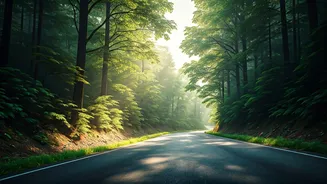
one—conducted through clicks, detached from the tangible world. Now, a subtle but significant shift is underway. The new mood board isn’t on a screen; it’s framed by the four sides of a car window. The “green drive” is exactly what it sounds like: a journey with no real destination, save for the pleasure of immersing oneself in nature. It’s the conscious choice to seek out winding roads, canopy tunnels of green, and sweeping vistas. This isn’t about the stressful, high-stakes road trip to get to a family holiday. It's a low-stakes, high-reward activity where the goal isn't arriving, but simply *being* in motion, surrounded by the quiet, uncurated beauty of the natural world. It’s inspiration in its rawest form, absorbed not through a screen, but through direct experience.
The Psychology of the Scenic Route
There’s a scientific reason this trend feels so restorative. The concept of “soft fascination” explains why we feel so calm when looking at a forest or a flowing river. Unlike the “hard fascination” required by a demanding task or a busy city street, nature allows our minds to wander without getting bored. It recharges our directed attention, the kind we exhaust during a week of staring at spreadsheets and answering emails. A green drive is a masterclass in soft fascination. The gentle curves of the road, the shifting patterns of light through the trees, and the gradual reveal of a landscape create a meditative state. The simple mechanics of driving—requiring just enough focus to be present but not so much as to be stressful—occupy the foreground of our brain, letting the background processes unwind. In a world obsessed with mindfulness apps and forced meditation, the scenic drive offers an easier, more organic path to a clear head. It’s a form of therapy that comes with a great playlist and the freedom to pull over whenever a view demands it.
An Antidote to Digital Burnout
More than just a search for pretty views, the rise of the green drive is a direct rebellion against digital fatigue. Our lives have become relentlessly optimized and documented. Our phones track our steps, our calendars dictate our minutes, and social media creates a low-grade hum of comparison and performance anxiety. The weekend, once a bastion of genuine rest, can often feel like just another project to be managed and documented for an audience. The car, in this context, becomes a mobile sanctuary—a private, disconnected space. A green drive is an inherently analog activity. You can’t properly text and drive. You can’t doomscroll while navigating a hairpin turn. By its very nature, it forces you to put the phone down and look up. It’s a dedicated, multi-hour block where the only thing on the agenda is to observe the world rolling by. This act of intentional unplugging is no longer a luxury; for many, it’s a vital tool for mental survival.
Curating Your Own Escape
Unlike a meticulously planned vacation, the beauty of the green drive is its simplicity and spontaneity. It’s less about where you go and more about the mindset you bring. The perfect green drive isn’t found on a travel blog’s top-ten list; it’s the one you create for yourself. It starts with a loose idea—maybe a state park an hour away, a coastal highway, or a rural road you’ve always been curious about. The planning stops there. The art is in the details: crafting the perfect driving playlist that matches the mood, grabbing snacks from a local farm stand, and leaving the schedule completely open. The goal is to allow for serendipity. It's about taking that unmarked turn, stopping for the herd of cows, and spending twenty minutes watching the sunset from a random overlook. It’s about building a mood board of real memories, not saved images, one winding mile at a time.