

The World Washed Clean
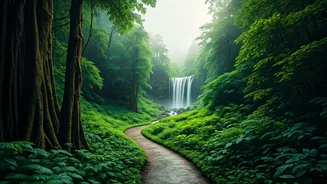
Imagine a landscape that has just been given a deep, restorative bath. This is the essence of trekking after the monsoon. For months, heavy rains have soaked regions like the Himalayas, clearing the air of dust and haze. When the downpours finally subside
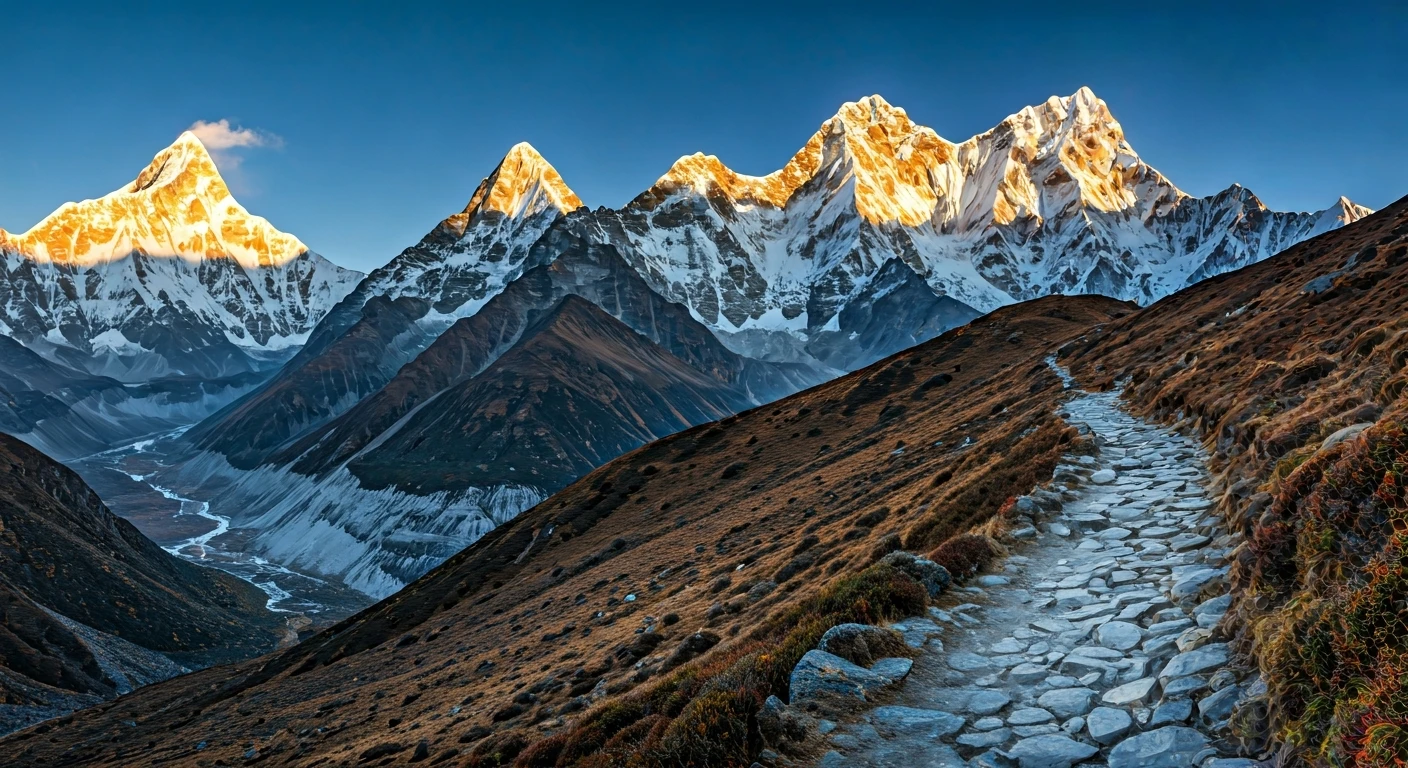
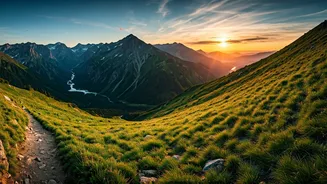
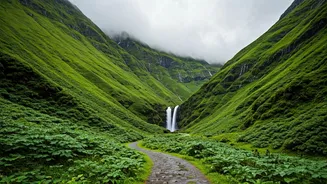
around September, they leave behind a world transformed. The skies are a brilliant, almost impossibly deep blue, offering staggering, crystal-clear views of snow-capped peaks that were shrouded in clouds just weeks before. The trails are damp but firm, the rivers run full and powerful, and every shade of green seems more saturated and alive. This isn’t just the end of a rainy season; it’s the grand unveiling of the mountains in their most pristine and vibrant state.
A Carpet of Color
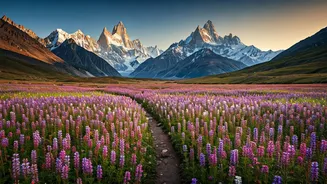
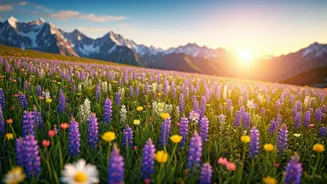
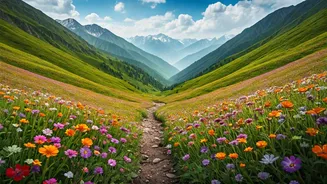
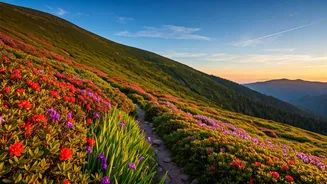
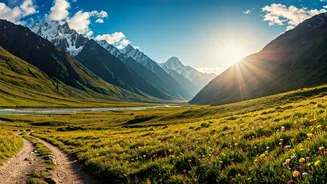
The primary draw, however, is the explosion of wildflowers. The moisture-drenched earth erupts in a final, spectacular burst of life before the dry chill of winter sets in. Entire valleys and hillsides, once barren or simply green, become carpeted in a riot of color. This isn't a subtle smattering of petals; it’s a full-blown botanical spectacle. Trekkers walk through meadows of purple, yellow, and red, with rare and endemic species making their brief but glorious appearance. This ephemeral beauty creates a sense of urgency and wonder, turning a challenging hike into a journey through a natural art installation. It’s a photographer’s dream and a naturalist’s paradise, offering a multi-sensory experience that goes far beyond the physical challenge of the trek itself.
Iconic Trek: India’s Valley of Flowers
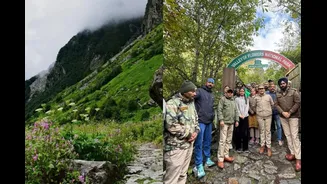
Perhaps no place on earth better exemplifies the post-monsoon phenomenon than India’s Valley of Flowers National Park. Located in the West Himalayas in the state of Uttarakhand, this UNESCO World Heritage Site is legendary among trekkers. While its peak bloom is during the monsoon itself (July-August), the late-season display in September is uniquely beautiful, with clearer skies and more accessible trails. Trekkers can find over 300 species of alpine flowers, including the elusive blue poppy, Brahmakamal, and a sea of anemones, geraniums, and marsh marigolds. The trek is moderately difficult, involving several days of hiking to reach the valley, but the reward is an otherworldly landscape that feels like a secret garden hidden among the world’s tallest mountains.
Himalayan Vistas: Nepal’s Best Season
In Nepal, the post-monsoon period (generally October and November) is widely considered the absolute best time for trekking. While massive floral carpets are less of a focus than in India’s Valley of Flowers, the conditions are perfect. The air quality is exceptional, leading to unparalleled panoramic views of giants like Annapurna, Everest, and Manaslu. On trails like the Annapurna Circuit or the Everest Base Camp trek, the lower elevations are still lush and green from the rains. Poinsettias and marigolds often line the paths through local villages, adding splashes of festive color against the dramatic backdrop of the high peaks. For trekkers who prioritize clear mountain views above all else, this is the season. The combination of comfortable temperatures, stable weather, and jaw-dropping scenery makes it the most popular—and for good reason—time to visit.
How to Plan Your Trip
Timing is everything. This magical window typically lasts from mid-September to late November, depending on the region and altitude. While the weather is generally stable, you should still be prepared for occasional showers and rapidly changing temperatures. Packing layers is essential, including a waterproof jacket, fleece, and sun protection. Given the popularity of this season, especially in well-known areas of Nepal, booking flights, guides, and teahouse accommodations in advance is highly recommended. For more remote treks like the Valley of Flowers, hiring a local guide or going with a reputable trekking company is often mandatory and always a good idea for safety and logistical support. They handle permits, navigation, and provide invaluable local context, allowing you to focus on the spectacular views.