






The Great Protein Glow-Up
It wasn't long ago that the conversation around diet was dominated by fat-free or low-carb crazes. Today, protein has elbowed its way to the front of the line. The shift has been seismic. You can now start your day with a protein-fortified coffee, snack
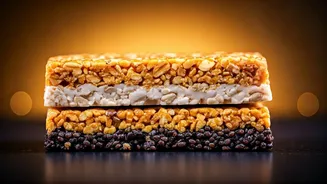
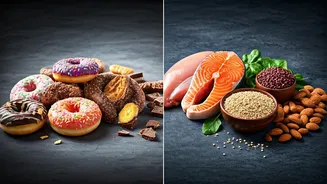
on a protein bar that mimics a candy bar, and finish with a bowl of high-protein, low-sugar ice cream. This isn't just a trend; it's a complete reframing of what constitutes a 'healthy' food. For many consumers, a high protein count has become a shortcut, a stamp of approval that signals a product is virtuous, filling, and aligned with fitness goals, whether those goals are running a marathon or just making it through a Tuesday without succumbing to the office donuts.
The Science of Satiety and Strength
The hype isn’t built on nothing. Protein plays a crucial role in the body, most famously in building and repairing tissues, including muscle. This is the cornerstone of its appeal in the fitness world. But its mainstream appeal is powered by something else: satiety. Protein is more satiating than fats or carbohydrates, meaning it helps you feel fuller for longer. For anyone trying to manage their weight or curb mindless snacking, this is a powerful biological hack. Marketers have seized on this, positioning protein-rich foods not just as muscle fuel, but as a tool for appetite control and disciplined eating. The message is simple and seductive: eat this, and you'll conquer your cravings.
A Symbol of Self-Control
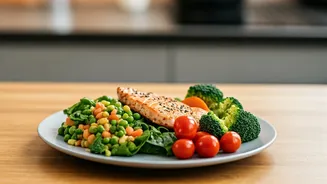
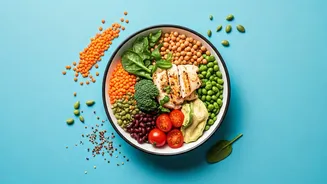
Beyond the biology, protein has become a potent cultural symbol. In an era of health optimization and bio-hacking, choosing a high-protein option feels like an act of self-improvement. It projects discipline and dedication. On social media, a meticulously prepared meal-prep container filled with grilled chicken and broccoli is more than just lunch; it’s a statement about priorities. This taps into a powerful psychological need for control. When the world feels chaotic, controlling what we eat can provide a sense of order and accomplishment. Protein, with its association with strength, leanness, and functional fuel, has become the perfect edible emblem for this mindset.
The Billion-Dollar Aisle
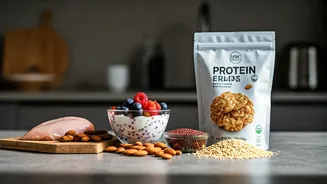
Where there's a trend, there's a market, and the protein market is colossal. Brands have responded with a flood of innovation and reformulation. Legacy food companies are adding protein to everything from oatmeal to pasta, while new players like Quest Nutrition and Fairlife have built empires on the macronutrient. The strategy is often to create a “health halo” around indulgent foods. A cookie or a bag of chips seems less like a vice when it boasts 20 grams of protein. This has transformed the supplement aisle and the dairy case, creating a multi-billion-dollar industry that shows no signs of slowing down. Consumers are willing to pay a premium for these fortified products, convinced they are making a better choice.
Are We Getting Too Much of a Good Thing?
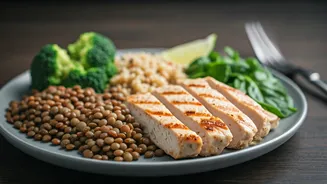
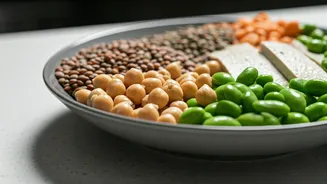
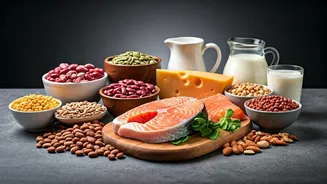
With protein being added to seemingly everything, the question arises: is it possible to overdo it? Most dietitians agree that while protein is essential, the average American already consumes enough, and often more than, the recommended daily allowance. The obsession with hitting sky-high protein targets is often unnecessary for the average, moderately active person. Moreover, the source matters. A lean piece of fish, a cup of lentils, or a serving of Greek yogurt provides protein alongside a host of other valuable nutrients. A highly processed protein bar, on the other hand, may deliver the protein but can also come with a long list of additives, artificial sweeteners, and stabilizers. The focus on a single macronutrient can overshadow the broader, and arguably more important, principle of eating a balanced diet rich in whole foods.