
The Toughest Fast of the Year
First, let's set the scene. In the Hindu faith, Ekadashi is the eleventh lunar day of each of the two lunar phases in a month. These days are considered spiritually significant, and many observant Hindus fast. There are 24 Ekadashis in a year, but one
stands out for its austerity: Nirjala Ekadashi. The name itself is the key—'Nirjala' translates to 'without water.' For a full 24-hour period, from sunrise to the next day's sunrise, devotees abstain from both food and water. It’s considered the most challenging but also the most spiritually rewarding of all Ekadashi fasts. The belief is that observing this single fast can bestow the benefits of observing all other 23 Ekadashis combined, making it a day of profound devotion, prayer, and self-control.
So, What's with the Snacks?
This is the million-dollar question. If you can’t even have a sip of water, where do snacks fit in? The answer lies in the 'before' and 'after,' and in the practical realities of modern life. The snacks aren't for the 24-hour fasting window itself. Instead, they are crucial for two moments: the pre-fast meal and the post-fast meal. The meal eaten just before sunrise on the day of the fast is meant to provide sustenance for the day ahead. And more importantly, the meal used to break the fast the following morning—a moment known as 'paran'—requires specific types of food. Furthermore, not everyone can or should undertake a complete Nirjala fast. Children, the elderly, pregnant women, and those with medical conditions are advised to observe a less strict fast, often a 'phalahari vrat,' which allows fruits, nuts, and certain other permitted foods. For them, these snacks are essential.
Decoding 'Vrat-Friendly' Food
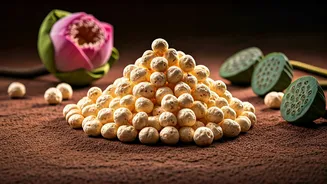
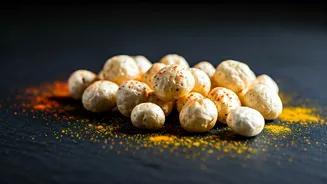
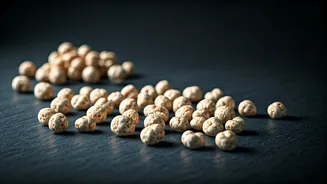
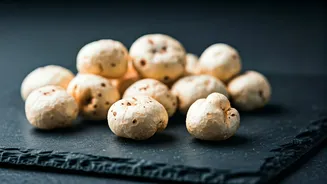
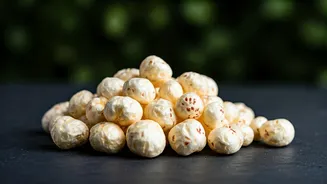
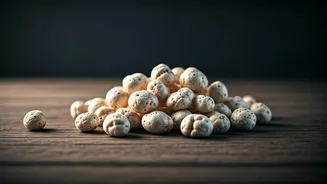
The term 'vrat-friendly' or 'farali' refers to a specific dietary code followed during Hindu fasts. It’s not just about being vegetarian; it’s a more restrictive list. The rules generally prohibit all grains (like wheat, rice, and millet), lentils, and legumes. Common vegetables like onions and garlic are also off-limits, as are table salt (rock salt, or 'sendha namak,' is permitted) and certain spices. So, what’s left? A surprising amount. Permitted foods include fruits, milk and dairy products, nuts, and a special category of alternative starches. These include sabudana (tapioca pearls), makhana (puffed fox nuts), rajgira (amaranth), kuttu (buckwheat), and singhara (water chestnut flour). These ingredients form the backbone of a vibrant fasting cuisine, designed to provide energy without breaking spiritual rules.
The Modern Fasting Pantry
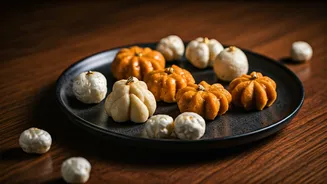
In years past, observing a fast in the United States meant hours of preparation—soaking sabudana, roasting makhana, or grinding special flours. But as the Indian diaspora has grown, so has the market catering to its cultural needs. Today, a walk down the aisle of any well-stocked Indian grocery store in the U.S. reveals a boom in convenience. You’ll find pre-packaged, ready-to-eat 'vrat-friendly' items that make planning for Nirjala Ekadashi far simpler. Popular choices include bags of salted or spiced makhana, crispy sabudana chips, farali chiwda (a savory trail mix made with potato sticks, peanuts, and other allowed ingredients), and cookies made from coconut and amaranth flour. These products bridge the gap between ancient tradition and the demands of a busy, modern American lifestyle, allowing more people to participate in the rituals without the exhaustive prep work.