
Forget the Instagram Fantasy
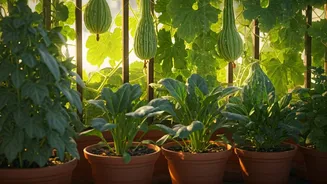
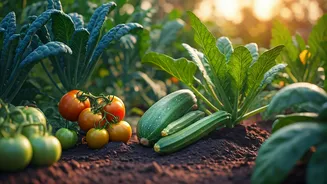
First, let’s get one thing straight: the sprawling, perfectly manicured, sun-drenched vegetable gardens you see on social media are not the minimum requirement for success. They are the highlight reel. The reality of home gardening for most urban and
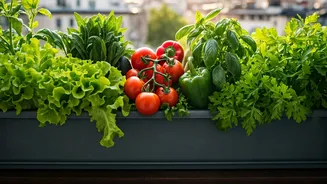
suburban dwellers is about making the most of what you have. Leafy greens, in particular, are remarkably adaptable and forgiving. Unlike sun-hungry fruits like tomatoes or peppers that demand six to eight hours of direct, blazing sun, many greens are perfectly happy, and sometimes even prefer, a bit of shelter from the intense afternoon heat. Your “imperfect” balcony might actually be the ideal environment for a thriving salad garden. The goal isn't to replicate a professional farm; it's to grow a handful of delicious, fresh plants that bring you joy and a tasty harvest. This shift in mindset is the single most important step you can take.
It's All About 'Good Enough' Light
The most common concern for apartment and small-space gardeners is a lack of sunlight. But how much is enough? For most leafy greens, you’re not looking for an all-day sunbath. Four to five hours of direct sunlight is often plenty. Many varieties, like loose-leaf lettuces, spinach, and Swiss chard, will do just fine with as little as three hours of direct sun or a full day of bright, indirect, or dappled light. Take a day to observe your space. Note when and where the sun hits. Does a patch get blasted with morning sun before the building next door casts a shadow? That’s a perfect spot. Is it mostly shady but with bright, open sky above? That can also work. You can even maximize what you have. Paint a wall white or use strategically placed foil-covered panels to reflect more light onto your plants. Don't let the absence of a south-facing, unobstructed view stop you before you even start.
Choose Your Champions Wisely
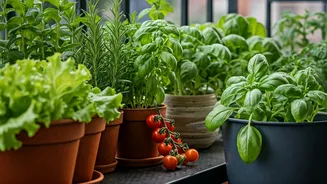
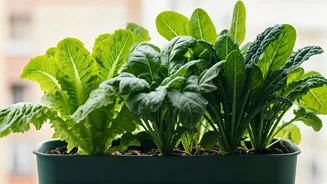
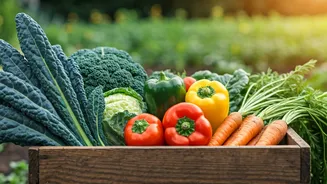
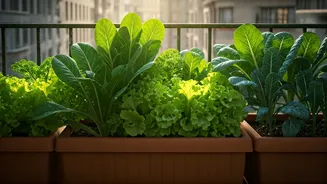
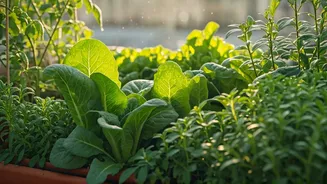
Success begins with selecting the right plants for the job. Don't try to grow a sun-loving basil plant in a shady corner and then feel like a failure. Instead, lean into the plants that thrive in less-than-perfect conditions. Arugula is a superstar here; it grows quickly and can bolt (go to seed) in intense heat, making a cooler, shadier spot ideal. Loose-leaf lettuce varieties like 'Black Seed Simpson' or 'Oakleaf' are far more forgiving than head lettuces. Kale, especially Lacinato (or “dino”) kale, and Swiss chard are nutritional powerhouses that are notoriously tough and tolerant of partial shade. Spinach is a classic cool-weather, shade-tolerant crop. Consider 'cut-and-come-again' varieties. With these, you harvest the outer leaves while leaving the central plant to continue producing, giving you a steady supply from a single pot.
Get the Basics Right: Container, Soil, and Water
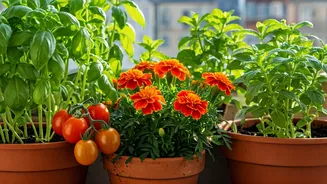
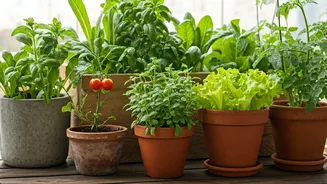
Your success is less about the balcony itself and more about what you put on it. Don't skimp on the fundamentals. For containers, bigger is often better, as larger pots hold more soil and moisture, creating a more stable environment for roots. A 12-inch wide, 8-inch deep pot is a great starting point for a mix of lettuces. Ensure any container has drainage holes; no plant wants to sit in a puddle. Next, use high-quality potting mix, not soil from your yard. Potting mix is specifically formulated to be lightweight, retain moisture, and resist compaction in a container environment. Finally, master watering. Container plants dry out much faster than plants in the ground. Check the soil daily by sticking your finger in an inch or two. If it feels dry, it's time to water thoroughly until you see it running out the bottom. This combination of a good pot, proper soil, and consistent watering will solve 90% of potential problems.