





Redefining 'Healthy' on the Menu
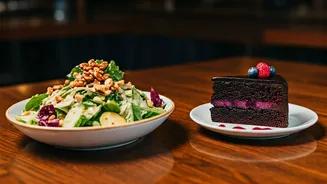
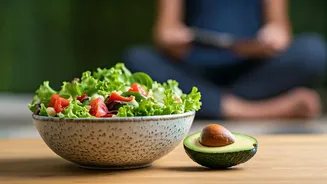
For years, the “healthy option” on a menu was a culinary exile—a bland grilled chicken breast or a sad, underdressed salad banished to the corner of the page. That era is over. The new wellness movement in dining isn’t about restriction; it’s about enhancement.
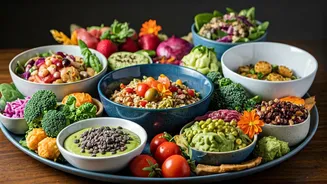
Chefs and restaurateurs are recognizing that diners want to feel good, not just virtuous. This has shifted the focus from low-calorie and low-fat to nutrient density, gut health, and mood-boosting ingredients. The new goal is “mindful indulgence,” where you can enjoy the rich, satisfying flavors you crave, but the dish is thoughtfully constructed with better ingredients. Think less about what’s been removed (fat, gluten, joy) and more about what’s been added: high-quality proteins, fiber-rich vegetables, and functional ingredients that offer benefits beyond basic nutrition.
The Comfort Food Makeover
This trend is most visible in the realm of classic comfort food. Instead of forcing diners to choose between a burger and a quinoa bowl, restaurants are upgrading the burger itself. You might see a conventional beef patty offered alongside a grass-fed, pasture-raised option. The bun might be an artisanal brioche, but there’s also a whole-grain or gluten-free version available. That crispy fried chicken sandwich might come with a side of kimchi-slaw, adding a probiotic punch. Pizzerias are offering doughs made with fermented starters for better digestibility or cleverly integrated vegetable crusts. Even fine-dining Italian restaurants are serving house-made zucchini noodles as a swap for any pasta dish, ensuring the luxurious truffle cream sauce can be enjoyed by a wider, more health-conscious audience. It’s a quiet revolution of addition and substitution, not outright replacement.
Functional Foods Go Mainstream
Perhaps the most significant part of this wellness twist is the migration of “functional ingredients” from health-food stores to the mainstream menu. These are foods believed to offer health benefits beyond their nutritional value. You may have noticed coffee shops offering lattes with adaptogens like ashwagandha or maca, powders purported to help the body manage stress. Now, that same logic is being applied to meals. Turmeric, known for its anti-inflammatory properties, is appearing in more than just curry—it’s in golden milk lattes, salad dressings, and even marinades for roasted chicken. Probiotic-rich foods like kombucha, kefir, and fermented vegetables are being used as flavor-packed marinades and condiments. This movement allows chefs to add complexity and a “health halo” to a dish, satisfying the diner’s desire for food that does more than just fill them up.
Wellness in a Glass
The practical wellness trend extends far beyond the plate. The beverage menu is undergoing one of the most dramatic transformations in the industry. The rise of the “sober curious” movement and a general desire for healthier social options has led to an explosion in sophisticated non-alcoholic drinks. These are not the sickly sweet mocktails of yesterday. Today’s zero-proof cocktails are crafted with the same care as their alcoholic counterparts, using complex botanical distillates, house-made shrubs, and functional ingredients like CBD or nootropics, which are compounds believed to enhance cognitive function. A diner might skip the wine but still order a $15 sparkling beverage infused with calming L-theanine and citrus botanicals. It redefines a “treat” as something that delivers flavor, complexity, and a sense of occasion, without the next-day consequences.