





The 'Why' Behind the Shears
For much of the American Southwest, the term “monsoon” signals the dramatic summer rainy season. For the rest of the country, it might just be a period of heavy, humid summer storms. Either way, the principle is the same: a deluge of water is coming.
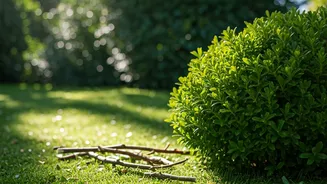
Pruning *before* this happens is a proactive strategy, not just a tidy-up. When you prune a plant, you create small wounds. During the dry heat before the rains, plants are often in a state of semi-dormancy, conserving energy. By trimming them in this state, you set the stage for a burst of controlled growth. When the rain and humidity finally arrive, the plant directs its energy into healing those cuts and pushing out new leaves and branches from exactly where you’ve encouraged them. Pruning *after* the growth explosion is reactive; you’re just trying to tame a tangled, overgrown mess. Pre-rain pruning is preventative medicine for your garden’s aesthetics and health.
Timing Is Everything
The magic of this technique is all in the timing. In Southwestern states like Arizona and New Mexico, the window is typically from late May through early July, right before the monsoon season officially kicks off. For those in the Southeast or other regions with significant summer rainfall, the concept translates to getting your pruning done before the rainiest part of the season begins. Don’t just rely on the calendar; watch the weather patterns. The goal is to prune when the plant is still in a slower growth phase but close enough to the rainy season that it won’t sit with open wounds for too long. A good rule of thumb is to start when you see the long-range forecast begin to fill up with chances of thunderstorms. This small window is your golden opportunity to shape your garden’s destiny for the rest of the summer.
Your Pre-Rain Pruning Hit List
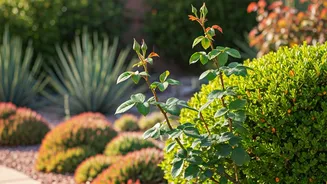
Not all plants are candidates for this aggressive love. This technique works best on deciduous trees and woody shrubs that can handle a significant trim and will respond with vigorous growth. In the desert, this includes native workhorses like mesquite, palo verde, acacia, and Texas sage (Leucophyllum). These plants are adapted to the boom-and-bust cycle of water and will flush out beautifully. Outside of arid regions, this strategy applies well to many robust summer-growing shrubs that tend to get leggy, like crape myrtles, butterfly bushes, or Rose of Sharon. Focus on removing dead or crossing branches, thinning the canopy to improve air circulation (which helps prevent fungal diseases in the coming humidity), and reducing the overall size to a more manageable shape. You are essentially creating a strong, open framework for the new growth to fill in.
The 'Do Not Touch' List
Just as important as knowing what to prune is knowing what to leave alone. First, avoid pruning any spring-flowering shrubs like forsythia or certain types of lilacs; they have already set their flower buds for next year, and you’ll be cutting off next spring’s floral display. Second, be cautious with plants that are susceptible to sunburn on their bark. Citrus trees, for example, have thin bark that can be easily damaged if suddenly exposed to intense summer sun, so any major pruning should be done at other times of the year. Finally, leave stressed, newly planted, or very delicate plants alone. A hard prune is a shock to the system, and only healthy, well-established plants have the energy reserves to recover and benefit from it.
Tools and Techniques for a Clean Cut
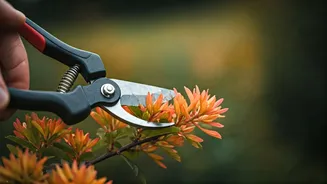
Good pruning starts with the right tools. For small branches, a pair of sharp, clean bypass pruners is essential. Bypass pruners work like scissors, making a clean cut that heals quickly. For branches thicker than your thumb, use long-handled loppers for better leverage. For anything larger, a pruning saw is your best bet. Before you start, always sterilize your tools with rubbing alcohol or a bleach solution to prevent spreading disease from one plant to another. When making your cuts, aim to trim back to a leaf node, a branching point, or just above an outward-facing bud. This encourages the new growth to grow outwards, creating a more open and attractive shape rather than an inward-facing tangle. Make your cuts clean and decisive—don’t leave stubs, which can die back and invite pests or disease.