



The Desert Stereotype
For most American travelers, Rajasthan is the India of postcards. It’s the ‘Land of Kings,’ a sprawling northwestern state synonymous with arid landscapes and epic history. Cities like Jaisalmer, Jodhpur, and Jaipur form a well-trodden tourist circuit,
celebrated for their architectural grandeur and desert culture. The very identity of the region seems forged in heat and dust, a place where water is precious and shade is a currency. This powerful image is not wrong, but it’s incomplete. It overlooks a staggering exception to the rule—an anomaly so profound it feels like a well-kept secret.
The Green Anomaly in the Aravallis
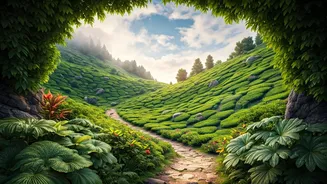
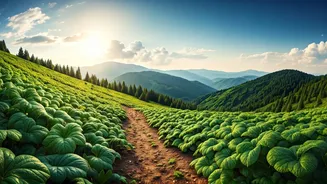
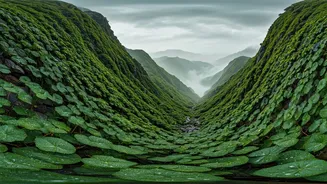
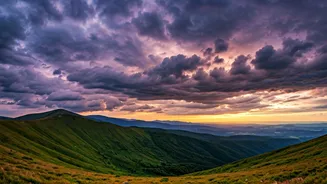
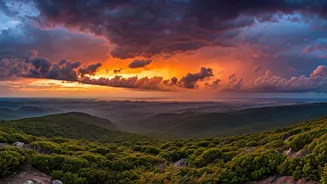
Hiding in plain sight within the ancient Aravalli Range is Mount Abu, Rajasthan's one and only hill station. This isolated plateau, rising to 4,000 feet, operates on a completely different climatic wavelength from the rest of the state. While the plains below swelter, Mount Abu’s elevation gives it a cool, comfortable climate year-round. But its true transformation, its ‘secret,’ is revealed during the monsoon season. From July to September, when monsoon clouds drift northwest, this mountain becomes an obstacle they can’t ignore. They unleash their payload here, drenching the landscape and turning the entire plateau into a verdant, mist-shrouded paradise.
A World Washed Anew
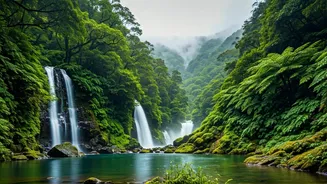
Visiting Mount Abu during the monsoon is like stepping into another world. The dusty browns and muted greens of the dry season explode into a thousand shades of emerald. The air, thick with the smell of wet earth and blooming flora, is refreshingly cool. Fog rolls through the valleys, wrapping trees and temples in a soft, ethereal blanket. The constant, gentle drizzle gives way to dramatic downpours that feed seasonal waterfalls, which cascade down rocky hillsides that were bare just weeks before. It’s a sensory feast that directly contradicts every expectation of Rajasthan. Instead of seeking air conditioning, you might find yourself reaching for a light jacket as you sip hot chai and watch the clouds drift by beneath you.
Where to Find the Magic
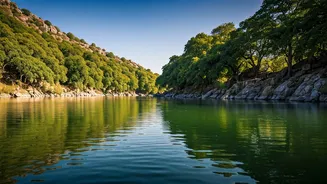
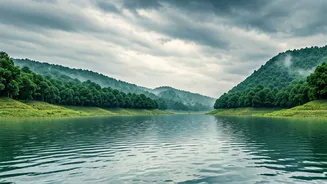
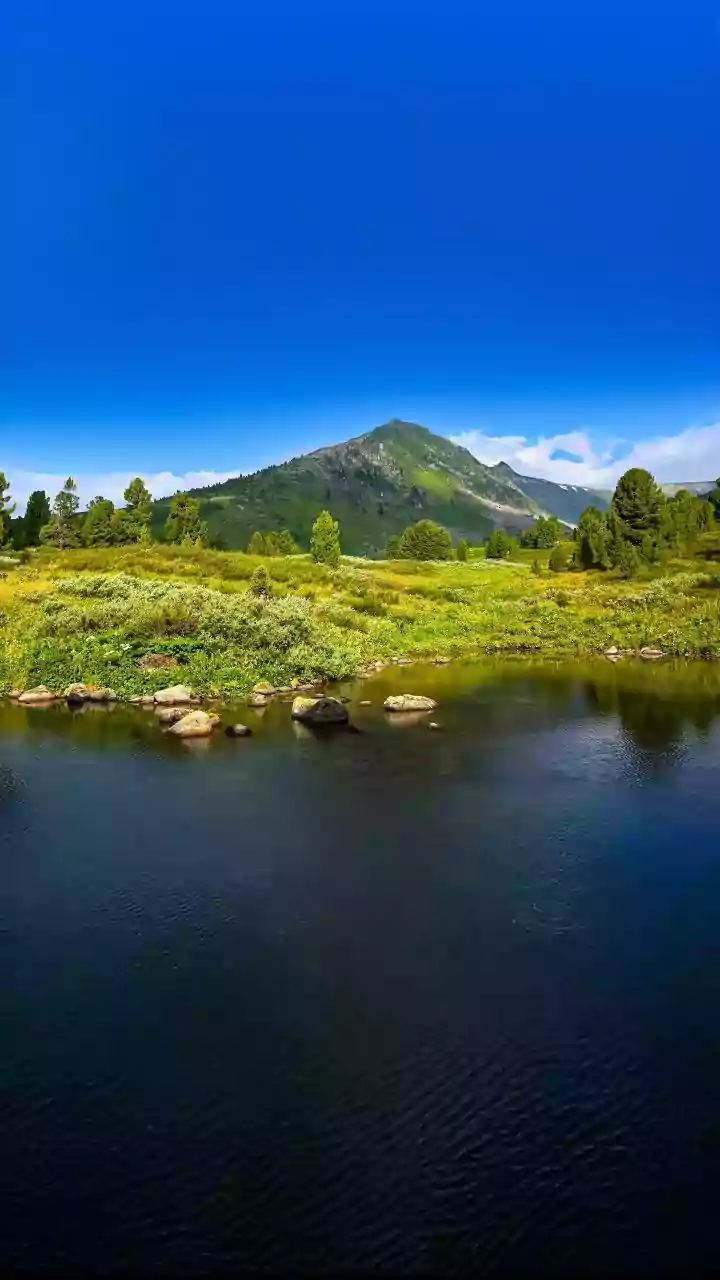
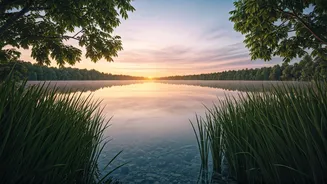
The monsoon enhances nearly every part of the Mount Abu experience. The centerpiece, Nakki Lake, a sacred man-made body of water, fills to the brim, its placid surface reflecting the moody, overcast sky. Boating on the lake becomes a serene, almost mystical experience as you glide through the fog. The drive up to Guru Shikhar, the highest peak in the Aravalli Range, offers breathtaking (if fleeting) views of the green-carpeted landscape whenever the clouds part. Even the area’s most famous architectural marvels take on a new character. The intricate marble carvings of the Dilwara Temples, a stunning complex of Jain temples dating back to the 11th century, seem to glisten with a special luminescence in the soft, diffused light of a rainy day, their spiritual tranquility amplified by the quiet drip of water and the absence of peak-season crowds.