


So, What Is ‘Fibermaxxing’?
Let’s get one thing straight: ‘fibermaxxing’ is a catchy, internet-era name for a timeless nutritional concept. It’s the conscious effort to maximize your daily fiber intake. That’s it. No pricey subscriptions, no weird gadgets, no mysterious powders
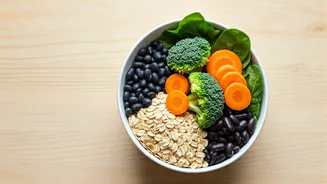
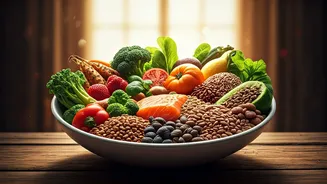
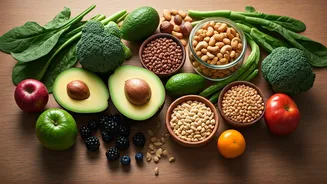
from a far-off jungle. It’s a rebellion against the over-complication of wellness. While the name might sound like something cooked up in a tech bro’s fever dream, the practice is grounded in decades of bedrock nutritional science. Think of it as the antithesis to the latest fleeting diet craze. It's not about restriction; it's about addition. By focusing on adding more high-fiber foods—like fruits, vegetables, whole grains, and legumes—to your plate, you naturally improve your diet without the mental gymnastics of counting every calorie or macronutrient.
The Science Behind the Simplicity
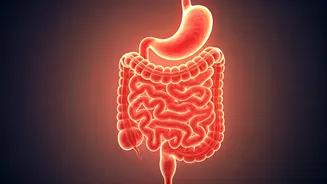
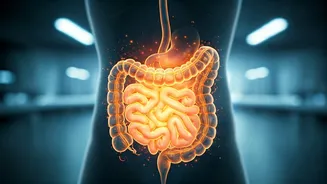
The reason this simple hack is so powerful lies in what fiber actually does in your body. There are two main types—soluble and insoluble—and you need both. Soluble fiber, found in oats, beans, and apples, dissolves into a gel-like substance that helps lower cholesterol and stabilize blood sugar. This is the key to avoiding that afternoon energy crash and staying full longer. Insoluble fiber, found in whole grains and vegetables, doesn't dissolve. Instead, it adds bulk to stool and helps food pass more quickly through the digestive system. This is the ‘keep things moving’ part of the equation, essential for good gut health. Together, they form a dynamic duo. A high-fiber diet is one of the most consistently recommended dietary patterns for reducing the risk of chronic diseases, managing weight, and feeding the trillions of good bacteria in your gut microbiome, which we now know is linked to everything from mood to immunity.
How to Start Fibermaxxing Today
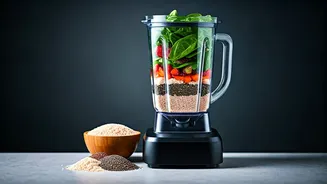
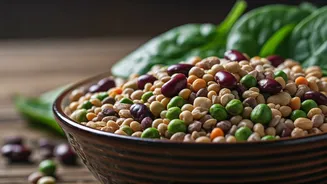
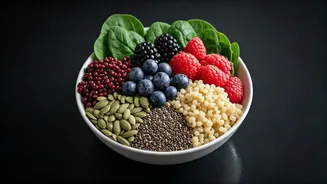
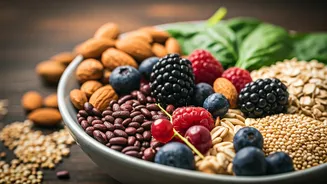
The beauty of fibermaxxing is its low barrier to entry. You don’t need a complete pantry overhaul. Start with small, sustainable swaps. If you eat white toast for breakfast, switch to 100% whole wheat. If you love pasta, try a whole-grain or bean-based version. Add a handful of berries to your yogurt or a tablespoon of chia seeds to your smoothie. Embrace ‘snack-tivism’ by trading chips for a pear, a handful of almonds, or some crunchy baby carrots with hummus. One of the most effective strategies is to simply eat more plants. Challenge yourself to add one extra vegetable to your lunch and dinner. Another powerhouse is the humble bean. Lentils, chickpeas, and black beans are incredibly cheap, versatile, and packed with fiber and protein. Tossing a can of black beans (rinsed!) into a salad or soup is a 30-second move that significantly boosts your fiber intake.
Pro Tips for a Smooth Transition
Before you commit to eating a whole head of broccoli for dinner, a word of caution: when it comes to fiber, you have to ease into it. Your digestive system needs time to adapt to an increased load. Going from zero to sixty can lead to bloating, gas, and discomfort. Increase your intake gradually over a few weeks. The second non-negotiable rule of fibermaxxing is hydration. Fiber works by absorbing water, so if you don't drink enough, you can actually make constipation worse. As you increase your fiber, make a conscious effort to increase your water intake throughout the day. A good rule of thumb is to aim for at least eight glasses of water daily. Listen to your body, see what feels good, and remember that consistency beats intensity every time.