
The Grain That Got a Second Act
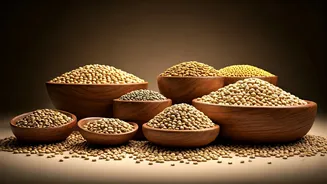
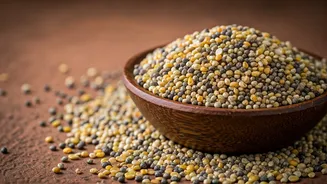
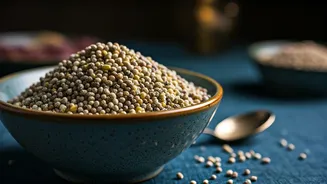
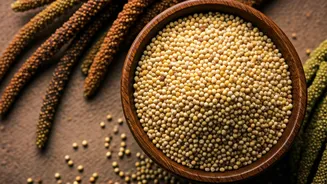
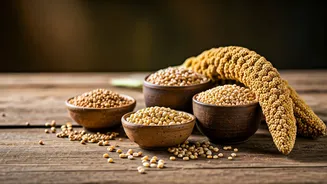
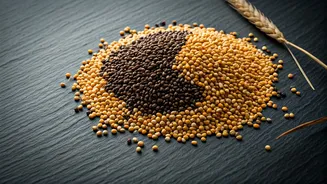
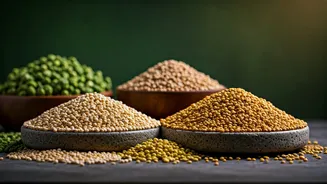
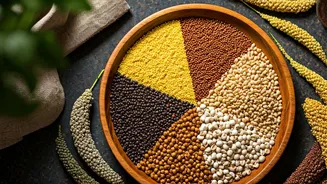
First, what exactly are millets? Think of them as a family of small-seeded grasses that have been cultivated for thousands of years across Africa and Asia. In India, varieties like ragi (finger millet), jowar (sorghum), and bajra (pearl millet) were once
the bedrock of regional diets. They were the original staple, the hearty foundation of flatbreads, porridges, and fermented drinks long before rice and wheat became dominant. So why the disappearance? The Green Revolution of the 1960s prioritized high-yield crops like rice and wheat to combat famine, pushing these hardy, indigenous grains to the background. For decades, millets were relegated to the status of 'poor man's food' or even birdseed. The current 'glow-up' isn't about inventing something new; it's about rediscovering and re-centering a lost culinary hero.
More Than Just a Health Trend
It’s easy to chalk up the millet revival to the global wellness craze, and that’s certainly part of the story. Millets are nutritional powerhouses. They are naturally gluten-free, high in fiber, packed with protein, and have a low glycemic index, which means they don't cause the same blood sugar spikes as refined grains. For a generation of diners hyper-aware of gut health and 'clean eating,' millets tick all the right boxes. But labeling this a mere health fad misses the bigger picture. The return of millets represents a broader shift in dining: a desire for authenticity, a connection to agricultural heritage, and a rejection of a one-size-fits-all approach to food. It’s about food that not only tastes good and is good for you, but also tells a story.
From Humble Porridge to Gourmet Plates
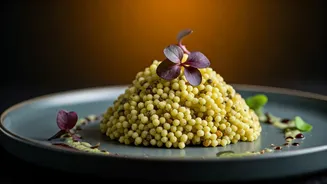
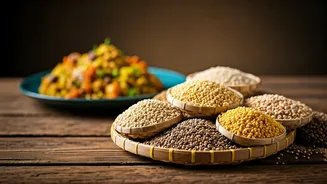
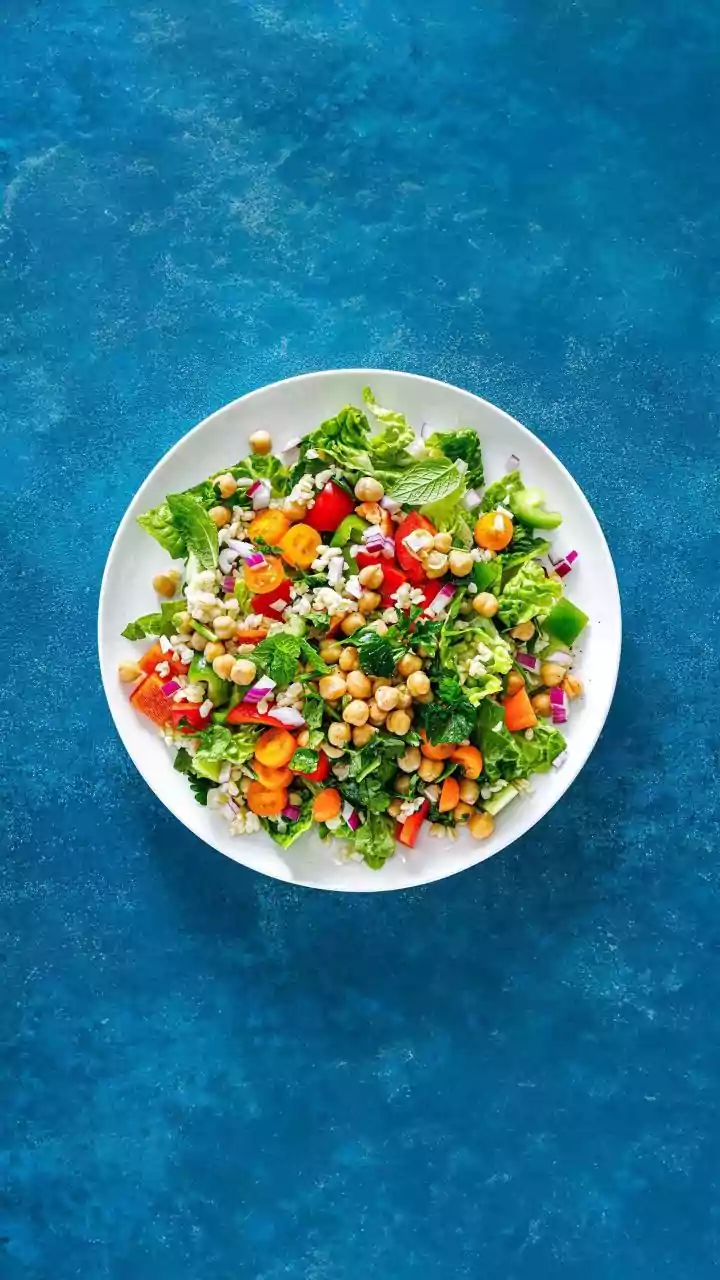
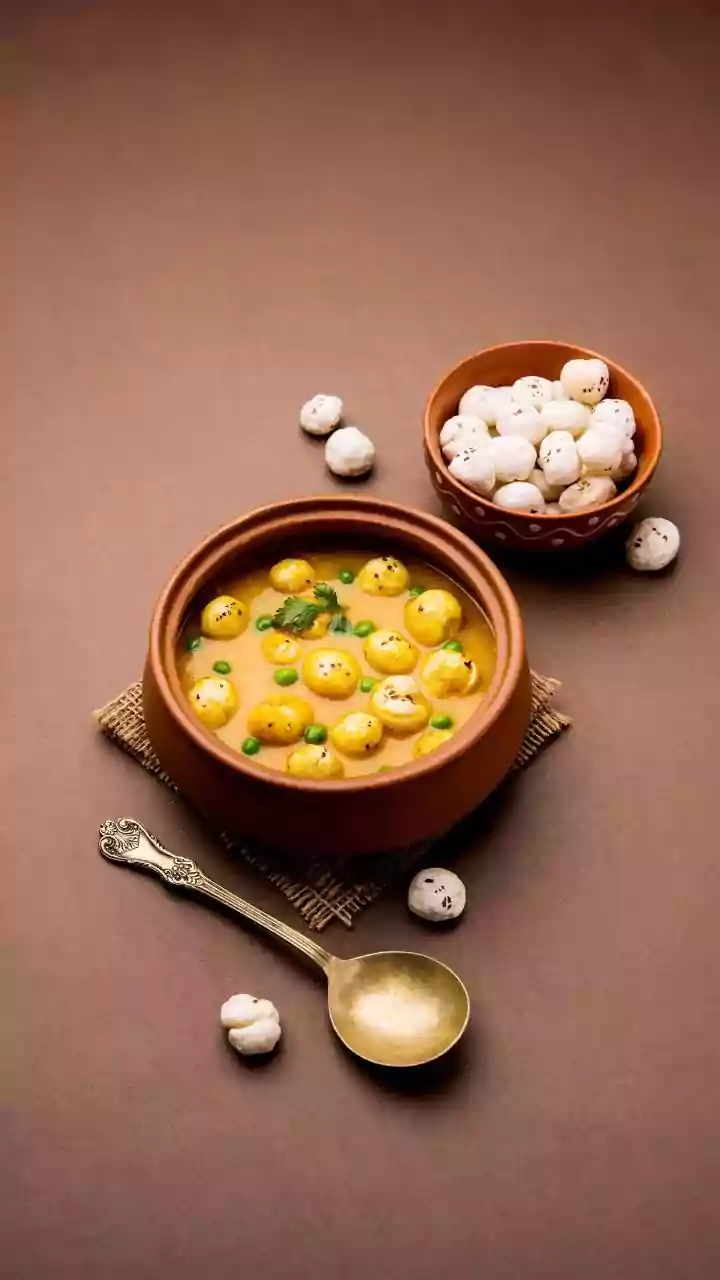
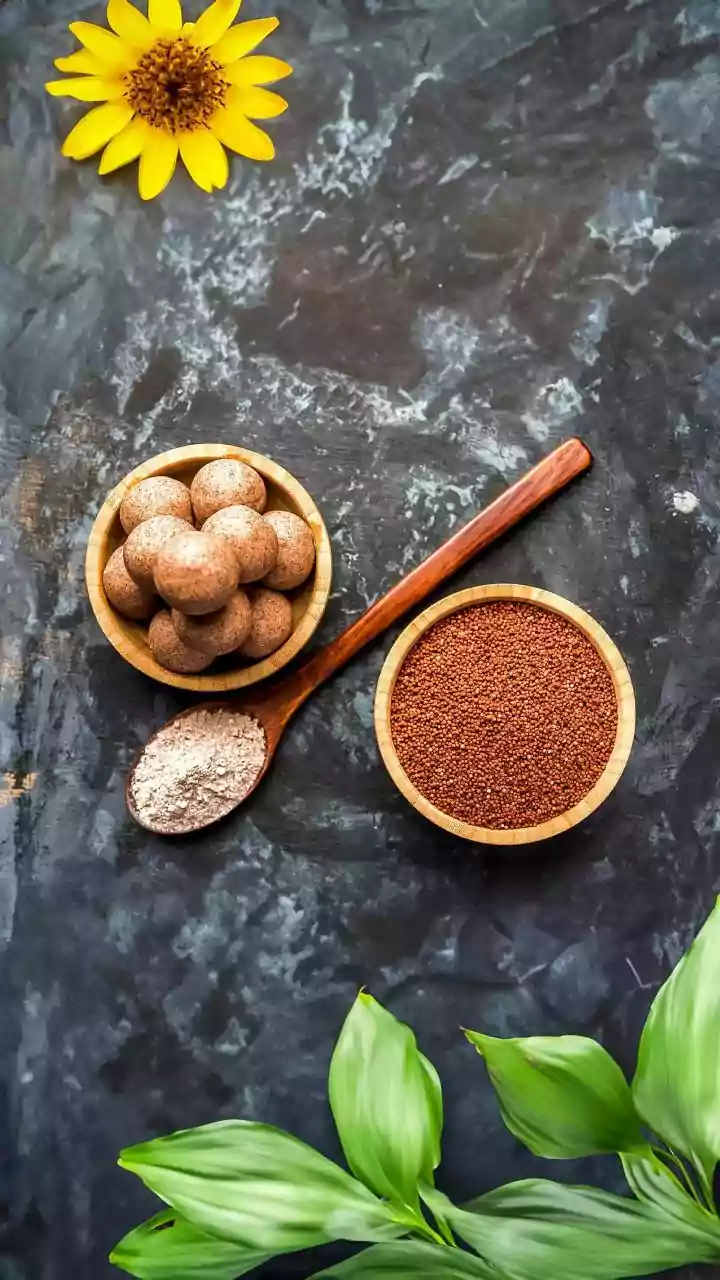
The real magic of the millet glow-up is happening in the kitchen. Chefs in India and across the U.S. are proving that these grains are anything but boring. The dense, earthy ragi that once made humble porridge is now being milled into flour for delicate, crispy dosas, fluffy idlis, and even rich, chocolatey brownies. Jowar, with its mild, slightly nutty flavor, is replacing wheat in rotis and being popped like corn for a crunchy snack. At innovative Indian restaurants in cities like New York and San Francisco, you might find bajra baked into artisanal bread served with cultured butter, or foxtail millet replacing rice in a sophisticated, modern take on khichdi. This culinary creativity has transformed the perception of millets from a rustic necessity to a versatile, gourmet ingredient capable of carrying complex flavors and textures.
An Answer to a Hungry, Hotter Planet
The millet story is also an environmental one. As climate change strains global food systems, millets are being hailed as a 'miracle grain' for their resilience. They are drought-resistant, require significantly less water than rice and wheat, and can thrive in poor soil without heavy reliance on fertilizers. This makes them a profoundly sustainable choice. Recognizing this, the United Nations, at the behest of India, declared 2023 the 'International Year of Millets,' launching a global campaign to promote their cultivation and consumption. This official endorsement added jet fuel to the trend, framing the choice to eat millets not just as a personal health decision, but as a small act of environmental stewardship. It's a rare win-win: what's good for the planet is also good for the palate.