





The Great Migration to the Weight Rack
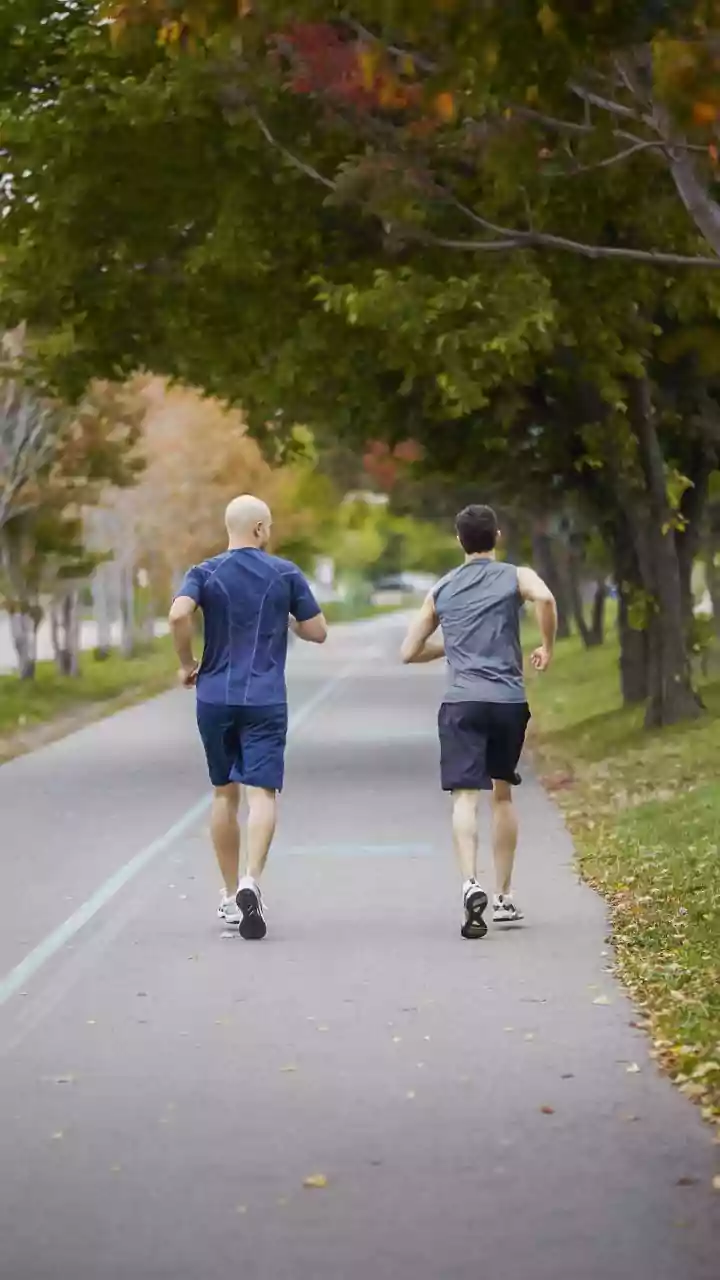
For decades, the prevailing image of 'getting in shape' involved a long, sweaty slog on a cardio machine. The goal was often singular: burn calories, lose weight, shrink. But a powerful current is reshaping the fitness landscape. From boutique studios
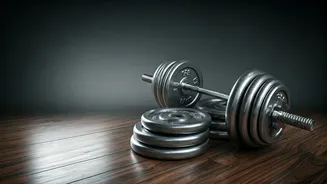
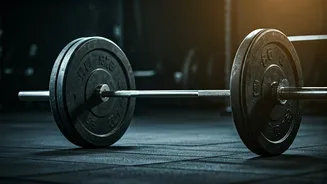
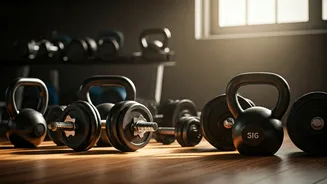
to big-box gyms, there's a palpable migration from the treadmill to the squat rack. This isn't just a fleeting trend; it’s a fundamental shift in philosophy. People, especially women who were historically steered toward 'toning' exercises, are now embracing barbells, kettlebells, and the satisfying challenge of lifting heavy things. The new measure of success isn't just a number on the scale, but the feeling of adding another plate to the bar or mastering a new, complex lift. The soundtrack of fitness is changing from the rhythmic whir of the elliptical to the solid, grounding thud of a deadlift hitting the floor.
Beyond Aesthetics: The 'Why' Behind the Weight
So, what’s driving this mass embrace of muscle? It’s far more than a desire for a different physique. For many, strength training has become a vehicle for empowerment. The mental fortitude required to push through a tough set translates directly into real-world confidence. In a culture saturated with passive consumption, the act of physically building something—your own strength—is profoundly satisfying. Social media has played a surprising role. While often a source of unrealistic body standards, platforms like TikTok and Instagram have also democratized fitness knowledge, showcasing a diverse range of bodies performing incredible feats of strength. Seeing regular people, not just elite athletes, celebrate their power has been a powerful motivator. This has helped reframe exercise from a form of punishment for what you ate into a celebration of what your body can do. The goal shifts from 'How do I look?' to 'What can I achieve?'
The Science of a Stronger Life
This cultural shift is backed by a mountain of scientific evidence. We now understand that strength training is arguably the single most effective intervention for long-term health and 'healthspan'—the number of years we live in good health. Building and maintaining muscle mass is metabolically crucial. Muscle tissue is more active than fat, meaning the more you have, the more calories your body burns at rest, making weight management more sustainable. More importantly, resistance training is a powerful tool against age-related decline. It dramatically improves bone density, reducing the risk of osteoporosis and fractures. It enhances insulin sensitivity, helping to prevent type 2 diabetes. It also improves balance, coordination, and joint stability, keeping people active and independent well into their later years. The message from the scientific community is clear: if you want to age well, prioritize strength.
Redefining a 'Fit' Body
Perhaps the most significant impact of this trend is how it's reshaping our collective definition of fitness. The focus on strength inherently moves us away from a narrow, often unhealthy obsession with thinness. It celebrates capability. A strong body can be of any size or shape; its value is defined by its function, not just its form. This shift fosters a more positive and resilient relationship with our bodies. Setting a goal to perform five perfect pull-ups or to squat your own body weight is a tangible, performance-based objective that has nothing to do with aesthetics. Achieving these goals provides a sense of accomplishment that a fluctuating number on the scale never can. It’s a move toward body neutrality, if not outright body positivity, where the body is appreciated as an instrument rather than just an ornament. This focus on performance over appearance is creating a healthier, more sustainable, and ultimately more rewarding path to lifelong wellness.