



From Afterthought to Main Attraction
For decades, storage was a utility—a problem to be solved with a few extra closets or some plastic bins in the garage. It was an afterthought, hidden away and rarely considered part of a home's core design. That era is definitively over. Today, architects
and interior designers report that clients are prioritizing storage solutions from the very first blueprint meeting. Instead of asking 'Where can we fit a closet?', the question has become 'How can we design the home around beautiful, functional storage?' This shift has been fueled by a culture saturated with organization-as-entertainment. Shows like Netflix’s “The Home Edit” turned rainbow-ordered pantries into aspirational art forms, while social media floods feeds with mesmerizing videos of decanted spices and perfectly folded linens. What was once a private chore is now a public-facing aesthetic, transforming the humble pantry, mudroom, and closet into showcases of intentional living.
The New Wellness Amenity: A Calm Mind
This obsession with order isn't just about aesthetics; it's deeply tied to our collective pursuit of wellness. In a world that feels increasingly chaotic and overwhelming, a meticulously organized home offers a tangible sense of control and tranquility. Designers and psychologists agree that physical clutter often contributes to mental clutter, raising cortisol levels and inducing low-grade stress. Conversely, a space where everything has a designated, easily accessible home can feel like a sanctuary.
Smart storage, therefore, is being framed as a mental health investment. It’s the architectural equivalent of a meditation app. The luxury isn't just owning a lot of things, but having the perfect system to manage them, freeing up mental energy for more important pursuits. The promise is simple: an organized home leads to an organized life, which in turn leads to a calmer mind. It’s a powerful narrative that resonates deeply in today’s burnout-prone culture.
What 'Smart Storage' Actually Looks Like
So, what separates “smart storage” from just having a big closet? It’s about custom, integrated solutions that anticipate needs and eliminate friction from daily routines.
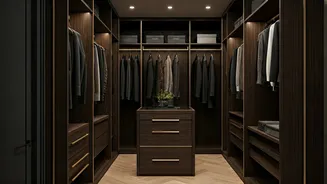
In the kitchen, this means more than just cabinets. It’s walk-in pantries with floor-to-ceiling shelving, dedicated drawers for specific utensils, and “appliance garages” that hide the toaster and coffee maker behind seamless panels. In the bedroom, it’s not just a walk-in closet but a fully bespoke dressing room with glass-fronted drawers for accessories, built-in lighting that illuminates your wardrobe, and valet hooks for planning the next day’s outfit.
Mudrooms have evolved into family command centers, with personalized cubbies for each member, integrated charging stations for devices, and ventilated cabinets for sports gear. Even garages are getting the luxury treatment, with custom cabinetry, epoxy floors, and wall-mounted systems that elevate tools and bicycles into a clean, graphic display. The common thread is bespoke design that makes everyday life feel effortless and elegant.
The ROI of a Tidy Home
This trend isn't lost on the real estate market. Agents are finding that homes with high-end, thoughtful storage solutions are more attractive to buyers and can command higher prices. A stunning custom closet or a hyper-organized pantry can be the feature that emotionally seals the deal, often more effectively than an extra half-bath. It signals a level of care and intentionality that buyers assume extends to the rest of the property.
For homeowners, investing in smart storage is increasingly seen as a direct investment in their property’s value. It moves the home from the category of “builder-grade” to “custom-designed.” In a competitive market, where buyers are looking for move-in-ready homes that fit their lifestyle, exceptional storage has become a powerful differentiator that offers a tangible return, both in daily enjoyment and eventual resale value.