









Goodbye to the Grind-and-Go Diet
Remember the quintessential ‘80s movie montage of a Wall Street rookie? It probably involved a dozen cups of coffee, a half-eaten slice of pizza at a desk, and the sheer will to survive until the next market open. For decades, that was the accepted currency
of ambition. But for a growing number of young professionals today, that 'hustle culture' diet is seen not as a badge of honor, but as a recipe for burnout. The shift is palpable. Instead of prioritizing short-term, frantic energy, they are investing in long-term, sustainable performance. This generation, fluent in the language of wellness and mental health, understands that what you put into your body directly impacts your cognitive output, mood, and resilience. They’ve seen the consequences of the previous generation’s grind-at-all-costs mentality and are consciously choosing a different path. The new goal isn’t just to survive the workday; it’s to thrive through it.
The Rise of Functional Fuel
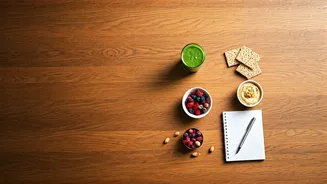
Step into the kitchen of a modern co-working space, and you're less likely to find a sticky pot of burnt coffee and more likely to see a curated collection of snacks and drinks with purpose. This is the era of functional foods—ingredients chosen for their specific health benefits beyond basic nutrition. Think adaptogens like ashwagandha in a morning smoothie to manage stress, nootropics like L-theanine in a beverage for calm focus, or mushroom coffee blends promising clarity without the jitters. Brands are responding in kind, with products explicitly marketed for brain health, gut-friendly digestion, and sustained energy release. This isn't about chasing esoteric fads; it's a calculated decision. Young professionals are reading labels and looking for clean ingredients that support their goals. They want to know that their mid-afternoon snack isn't just filling a void but actively contributing to their ability to solve a complex problem or lead a team meeting with confidence.
Rethinking the Caffeine Ritual
Caffeine is still king, but its court has changed. The goal is no longer the biggest, fastest jolt possible. The triple-shot espresso that sends your heart racing is being replaced by more nuanced choices. Matcha, with its combination of caffeine and L-theanine, offers a state of 'calm alertness' that many find more productive. Low-caffeine coffee blends and chicory-based alternatives are gaining traction for those sensitive to the jitters and inevitable crash. Hydration has also become a key part of the energy equation. You’ll see young workers carrying high-tech water bottles that track intake, often infused with electrolytes to optimize hydration and combat mental fog. The new philosophy is about managing energy, not just manufacturing it. It’s a move from a boom-and-bust cycle of stimulation to a steady, controlled burn that lasts the entire day, preventing the dreaded 3 p.m. slump that used to be an accepted part of office life.
More Than Food, It's a Mindset
Ultimately, this shift in 'fueling up' is a symptom of a much larger cultural change in the professional world. It’s connected to the broader movements for better work-life balance, mental health awareness, and remote work flexibility. When you see a young professional carefully preparing a nutrient-dense lunch or opting for a calming herbal tea over another coffee, you're not just seeing a dietary choice. You're seeing an act of boundary-setting. It's a quiet declaration that personal well-being is non-negotiable and, in fact, essential for high-quality professional output. This approach rejects the old paradigm that you must sacrifice your health for your career. Instead, it posits that investing in your health *is* investing in your career. By fueling their bodies and minds with intention, young professionals are building the foundation for a career that is not only successful but also sustainable.