








An Urban Waste Crisis
To understand why so many Indian households are suddenly embracing composting, you first have to understand the scale of the country’s waste problem. As India has urbanized at a breakneck pace, its cities have become engines of consumption, generating
over 62 million tons of waste annually. A staggering amount of this, often more than 50%, is organic or “wet” waste—food scraps, vegetable peels, and leftovers. For decades, this wet, heavy trash has been mixed with dry recyclables and dumped into colossal, overflowing landfills on the outskirts of cities. These mountains of garbage leach toxins into the soil and groundwater and release methane, a potent greenhouse gas. Municipal systems, struggling to keep up, often can't provide reliable separation or processing. This is where the story shifts from a government problem to a citizen-led solution.
The 'Smart' Way Is Simple and Stylish
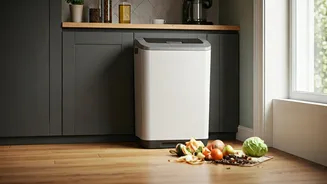
When you hear “smart composting,” you might picture a high-tech, Wi-Fi-enabled gadget. While some of those exist, the real innovation in India is more about smart design tailored to the urban Indian home. Forget a sprawling, smelly pile in the backyard—that’s a non-starter in a Mumbai or Bangalore high-rise. Instead, companies like Daily Dump pioneered stylish, multi-tiered terracotta composters called “Khambas.” These vertical, aesthetically pleasing pots are designed for small balconies and can handle a family’s daily food scraps with minimal odor. The system is simple: fill the top pot, and once it’s full, move its contents to a lower pot to mature while you start fresh on top. Other innovations include compact electric composters that accelerate the process and community-sized systems that can be shared by dozens of families. The “smart” part isn't about complex technology; it’s about making composting accessible, odorless, and practical for apartment living.
Community Is the Secret Ingredient
While individual efforts are powerful, the movement’s real strength comes from collective action. In thousands of large apartment complexes across the country, residents have organized to take waste management into their own hands. Spurred by civic pride and new solid waste management regulations, resident welfare associations (RWAs) are setting up community-level composting systems. They educate neighbors, hire staff to manage the process, and transform a building’s collective food waste into nutrient-rich compost. This approach solves a huge logistical problem. Instead of hundreds of individual households managing their own waste, the entire community works as one. The harvested compost is often used to green the complex’s own gardens and lawns, creating a visible, rewarding loop that strengthens community bonds and makes the entire effort self-sustaining. It’s a decentralized model that tackles a city-scale problem at the neighborhood level.
More Than Just Reducing Trash
The impact of this movement goes far beyond just diverting waste from landfills. It represents a fundamental shift in mindset from “out of sight, out of mind” to conscious consumption and personal responsibility. For many, it’s the first step toward a more sustainable lifestyle. Children are learning where food comes from and where it goes. Communities are creating their own “black gold” to grow healthier plants and even small vegetable gardens, reducing their reliance on chemical fertilizers. This bottom-up approach is also putting pressure on municipalities to improve their own waste management infrastructure. It's a powerful demonstration that when citizens are equipped with the right tools and knowledge, they can become a formidable force for environmental change. It proves that small, daily actions, when multiplied across a community—and a nation—can have a massive, positive impact.