




Beyond the Supermarket Standard
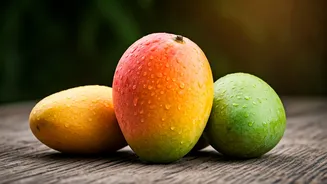
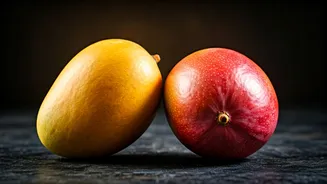
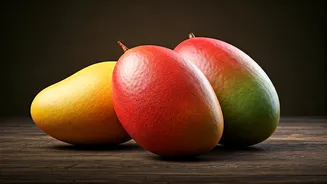
For most Americans, the mango experience is defined by the Tommy Atkins variety—the ubiquitous, reddish-green fruit that’s sturdy enough to survive a long trip to the grocery store. It’s fine, but it's often fibrous, and its flavor can be a roll of the dice.
It’s the dependable sedan of the fruit world. The Banganapalli mango, however, is the vintage Italian sports car: sleek, refined, and delivering an unforgettable experience. Hailing from the town of Banganapalle in the Indian state of Andhra Pradesh, this mango is often called the "King of Mangoes" in South India. It’s not just a regional boast; the Banganapalli has a protected Geographical Indication (GI) tag, the same kind of designation that ensures Champagne can only come from Champagne, France. This tag guarantees its specific origin and unique qualities, setting it apart from countless other varieties.
The Taste That Ruins Other Mangoes
So what makes it so special? The first bite is a revelation. The most immediate difference is the texture. While many mangoes are plagued with stringy fibers that get stuck in your teeth, the Banganapalli is exceptionally smooth and buttery. Its flesh is dense and melts in your mouth with an almost custard-like consistency. The flavor is equally distinct. It’s sweet, but not in an overpowering, one-note way. The sweetness is complex, with notes of honey and a subtle citrusy tang that keeps it refreshing. Unlike the sometimes-harsh, turpentine-like aftertaste of other varieties, the Banganapalli has a clean, fragrant finish. Even its skin is different—it’s remarkably thin and, in India, often eaten along with the flesh. It’s a complete sensory upgrade that can make going back to a standard supermarket mango feel like a genuine downgrade.
From Indian Orchards to Your Kitchen
For decades, the Banganapalli was a treasure largely kept within India. But as global palates become more adventurous, this prized fruit is making its way to international markets, including the United States. While you’re still unlikely to find it at a major national chain, its presence is growing, particularly in Indian and South Asian grocery stores, as well as specialty online fruit purveyors. Its season is fleeting, typically running from April through June, which only adds to its allure. The journey from Indian farms requires careful handling due to its delicate nature, a key reason why hardier varieties have historically dominated the export market. But growing demand from foodies and the Indian diaspora for a taste of home is pushing distributors to invest in the logistics needed to bring this superior fruit to American shores. It’s a perfect example of a broader trend: consumers moving away from standardized, year-round produce in favor of seasonal, regional specialties with a real story.
How to Find and Enjoy It
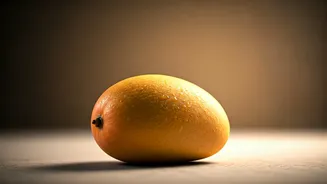
If you want to join the fan club, you'll need to know what you're looking for. A ripe Banganapalli is typically oblong, about 6 to 8 inches long, with a smooth, pale, lemon-yellow skin. It might have a few dark spots, which are usually signs of sweetness, not spoilage. Don’t look for the red blush of a Tommy Atkins. To check for ripeness, give it a gentle squeeze; it should have a slight give, similar to a ripe avocado or peach. You should also be able to catch a faint, sweet aroma near the stem. Once you have one, the best way to enjoy it is also the simplest. Just peel it, slice it, and eat it plain. The pure flavor and texture are the main event. Of course, its smooth flesh makes it incredible in smoothies, lassis, sorbets, or as a decadent topping for yogurt or ice cream. But for your first time, let the fruit speak for itself. It’s a conversation you won’t forget.