



Meet This Year’s Hottest Trend: The Basics
Every year, the wellness industry anoints a new savior. We’ve seen the eras of celery juice, infrared saunas, and adaptogenic everything. We’ve been told to buy the powders, track the data, and optimize every waking (and sleeping) moment. But the dominant
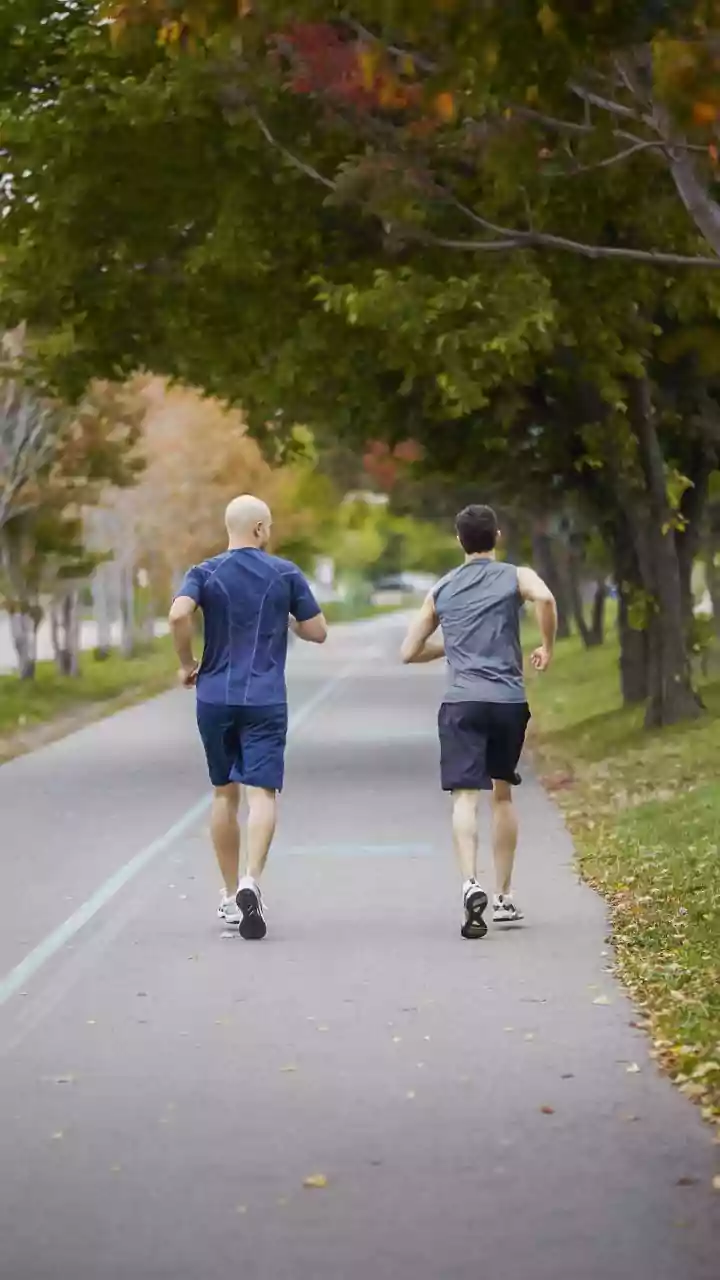
wellness trend making waves right now is, ironically, the absence of a flashy trend at all. Welcome to the age of 'Foundational Wellness.' The revolutionary new habits being pushed by influencers and experts alike? Getting enough sleep. Going for a walk. Drinking water. Eating whole foods. If it sounds like the advice your grandmother would give you, that’s because it is. After years of chasing complex, expensive, and often exhausting fads, the zeitgeist is shifting back to the boringly effective fundamentals. The new status symbol isn't a $500 bio-hacking device; it’s a full eight hours of uninterrupted sleep and a lunch break spent walking outside, phone-free.
A Backlash to Optimization Overload
This return to simplicity isn't happening in a vacuum. It’s a direct, and perhaps inevitable, backlash against the hyper-optimization culture that defined wellness for the last decade. We were encouraged to see our bodies as complex machines that could be fine-tuned with the right inputs: expensive supplements, wearable tech that tracked every metric from heart rate variability to REM cycles, and restrictive diets that turned meals into math problems. While well-intentioned, this approach created a new kind of stress. Instead of feeling better, many people felt like they were failing at wellness. Did you forget your morning lemon water? Did your sleep score dip below 80? Did you eat a non-organic vegetable? The constant pressure to perform health perfectly led to a collective burnout. The current pivot to basics is a quiet rebellion against this data-driven anxiety. It’s an acknowledgment that true well-being might not be quantifiable on a dashboard but is instead felt through energy, mood, and resilience.
Why Simplicity Is Trending Now
Several cultural forces are driving this shift. First, there's economic reality. With inflation and financial uncertainty, spending hundreds of dollars a month on boutique fitness classes, niche supplements, and cryotherapy sessions feels less justifiable. A walk in the park is free. A home-cooked meal is cheaper than a designer smoothie. The trend democratizes wellness, moving it away from a luxury commodity and back toward a universal practice. Second, there's the post-pandemic psychological hangover. After years of upheaval, people are craving stability, comfort, and routine, not another complex regimen to master. The world feels complicated enough without adding a 17-step morning wellness ritual. There’s a growing desire for things that are gentle, sustainable, and nurturing—qualities that the aggressive 'crush your goals' wellness of the 2010s often lacked. The focus is shifting from radical transformation to gentle consistency.
How to 'Do' the Trend (Without Trying)
The beautiful irony of the 'back to basics' trend is that the best way to embrace it is to stop trying so hard. It’s about subtraction, not addition. Instead of asking 'What new thing can I add to my routine?', the question becomes 'What pressure can I remove?' You don't need a new app or a special pillow; you just need to prioritize rest. You don't need a specific type of 'mindful movement'; you just need to move your body in a way that feels good. This trend is an invitation to tune back into your own body's signals instead of outsourcing your intuition to a tech company or a guru. Feeling tired? Rest. Feeling sluggish? Take a walk. Feeling overwhelmed? Put your phone down and do nothing for five minutes. The goal isn't to perform 'simplicity' perfectly for social media but to genuinely integrate these foundational pillars into your life in a way that reduces stress, rather than adding to it.