





The Undisputed Summer Staple
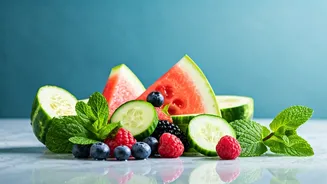
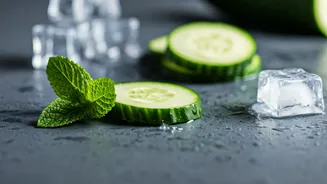
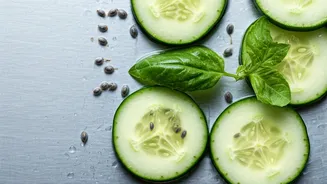
Let’s start with the familiar face in the heatwave relief department: the cucumber. It’s more than just a crunchy addition to salads or a way to make your water feel fancier. The cucumber’s power lies in its simplicity and its composition. Comprising
about 95% water, it’s one of the most hydrating foods you can eat. That crisp, clean sensation isn’t just your imagination; it’s a direct delivery of hydration to your system. Think of it as eating your water. Cucumbers also contain small amounts of electrolytes, like potassium, which are crucial for maintaining fluid balance in the body, especially when you’re sweating. Beyond hydration, the mild, refreshing flavor and cool texture provide an immediate psychological break from the sweltering heat. Whether sliced into a pitcher of water, blended into a green juice, or simply eaten with a pinch of salt, the cucumber is a reliable, no-fuss foundation for staying cool.
Meet Sabja, Your New Secret Weapon
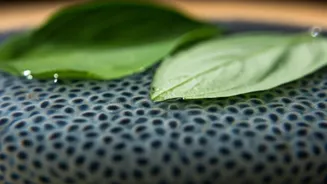
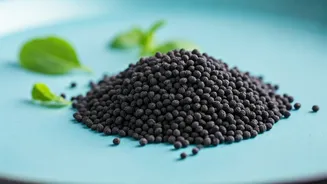
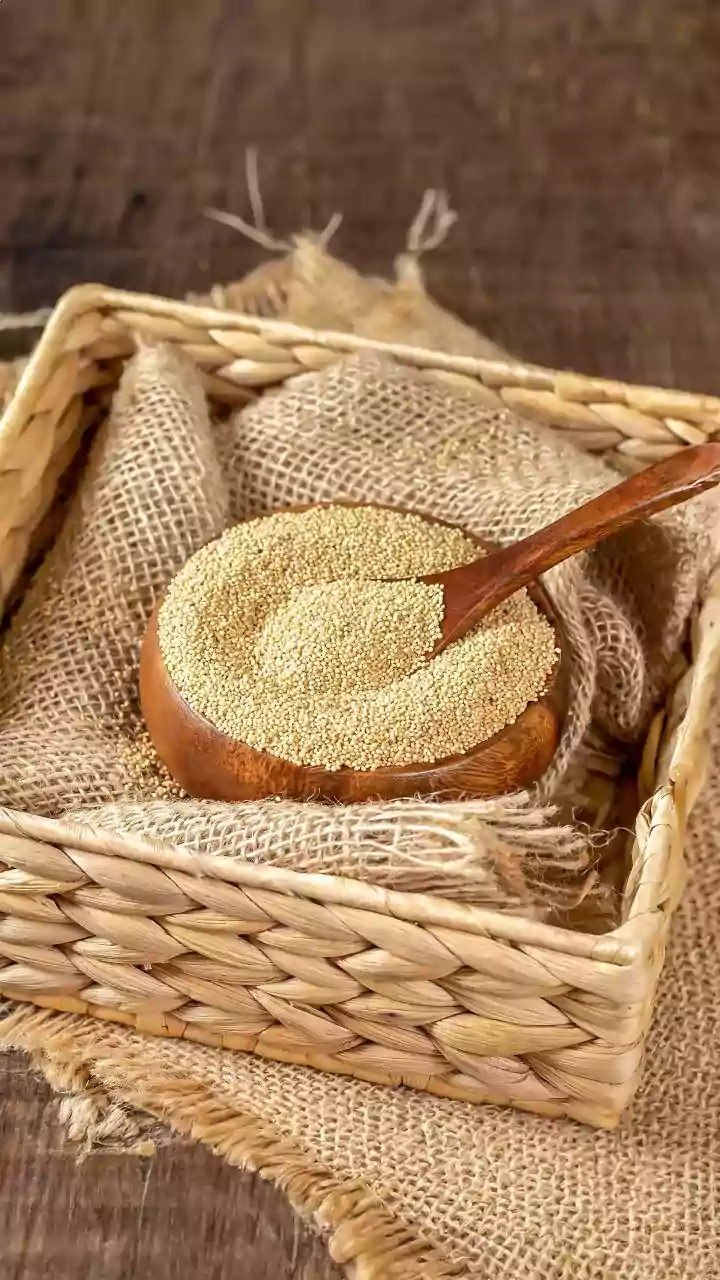
Now for the ingredient you might not know. Say hello to sabja seeds, also known as basil seeds or tukmaria. While they may look like chia seeds, they are distinct. Harvested from the sweet basil plant (a cousin of the basil you use for pesto), these tiny black seeds have a long history in Southeast Asian and Indian cuisines, particularly in drinks designed to beat the heat. When you add them to liquid, something magical happens. Within minutes, each seed develops a gelatinous, translucent coating, or halo, while the core remains delightfully crunchy. This unique texture makes them a fun, poppy addition to lemonades, smoothies, and desserts like falooda. They don’t have a strong flavor of their own, mostly absorbing the taste of whatever they’re mixed with, making them an incredibly versatile ingredient for all your summer beverages.
The Science and Tradition of 'Cooling'
So what makes this duo a “cooling squad”? For cucumbers, it’s straightforward cellular science: their high water content directly combats dehydration, a primary cause of feeling overheated. For sabja seeds, the answer is twofold. First, like cucumbers, they are champions of hydration. The gelatinous shell each seed forms is pure absorbed water. Consuming them is another way to introduce more water into your system, and their high fiber content helps slow down digestion, potentially leading to a more sustained feeling of hydration. Second, there’s a traditional element. In Ayurvedic practices, sabja seeds are known as a natural coolant, believed to help reduce body heat. While modern science focuses on their hydrating properties and fiber content, their reputation as a cooling agent has stood for centuries. Combining the direct, cellular hydration of cucumber with the water-retaining power of sabja seeds creates a synergistic effect that tackles summer heat from multiple angles.
Putting the Squad to Work
Ready to try this cooling combo? It’s incredibly easy. The first step is to prepare the sabja seeds by soaking one to two teaspoons in about a half-cup of water for 10-15 minutes until they fully “bloom.” From there, the possibilities are simple and delicious.
**Cucumber-Sabja Infused Water:** Add a handful of cucumber ribbons and a tablespoon of soaked sabja seeds to a pitcher of cold water. Let it sit for at least 30 minutes for the flavors to meld. For extra refreshment, add a few mint leaves and a squeeze of lime.
**Simple Summer Cooler:** In a glass, muddle a few slices of cucumber. Add ice, the soaked sabja seeds, and top with sparkling water or lemonade. It's a visually stunning and deeply refreshing drink that takes minutes to assemble.
**Refreshing Salad Booster:** Toss a spoonful of soaked sabja seeds into a cucumber and tomato salad. They add a surprising textural pop and boost the dish’s hydrating power without altering the flavor profile. It's an easy upgrade that makes a simple salad feel more substantial and interesting.