


The Psychology of Natural Light
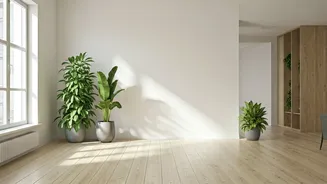
The primary reason large windows create a sense of expansion is their ability to flood a room with natural light. Our brains are hardwired to associate light with openness and darkness with confinement. In a small or cluttered room, shadows create sharp
boundaries, visually chopping up the space and highlighting its limitations. A large window minimizes these shadows, allowing light to wash over walls and floors, effectively erasing the corners and edges that define a room’s smallness. This abundance of light tricks the eye into perceiving a more boundless area. The effect is less about what you see and more about what you don't: the stark lines and dark recesses that scream “cramped.” Instead, the space feels continuous, clean, and psychologically lighter, which we translate directly into a feeling of more physical room.
Borrowing the Landscape
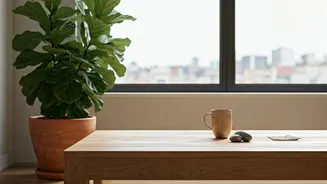
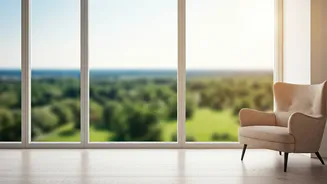
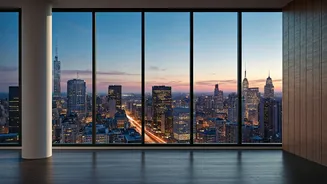
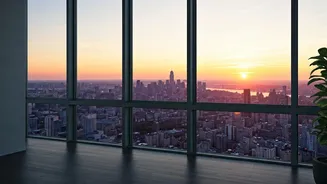
A large window doesn't just let light in; it extends the living space outward. This concept, known in landscape architecture as the “borrowed view,” involves visually incorporating elements outside the home into the interior design. Your window becomes a frame for a living picture—be it a bustling city street, a sliver of park, or simply the vastness of the sky. By drawing the eye past the physical barrier of the glass, the room's perceived boundary shifts from the wall to the distant horizon. This connection to the outdoors, a principle called biophilia, satisfies a deep-seated human need to engage with nature and open spaces. Even in a dense urban environment, a view of clouds passing overhead or the lights of distant buildings can provide a profound sense of depth and prevent the feeling of being boxed in.
Architectural Sleight of Hand
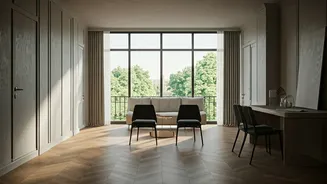
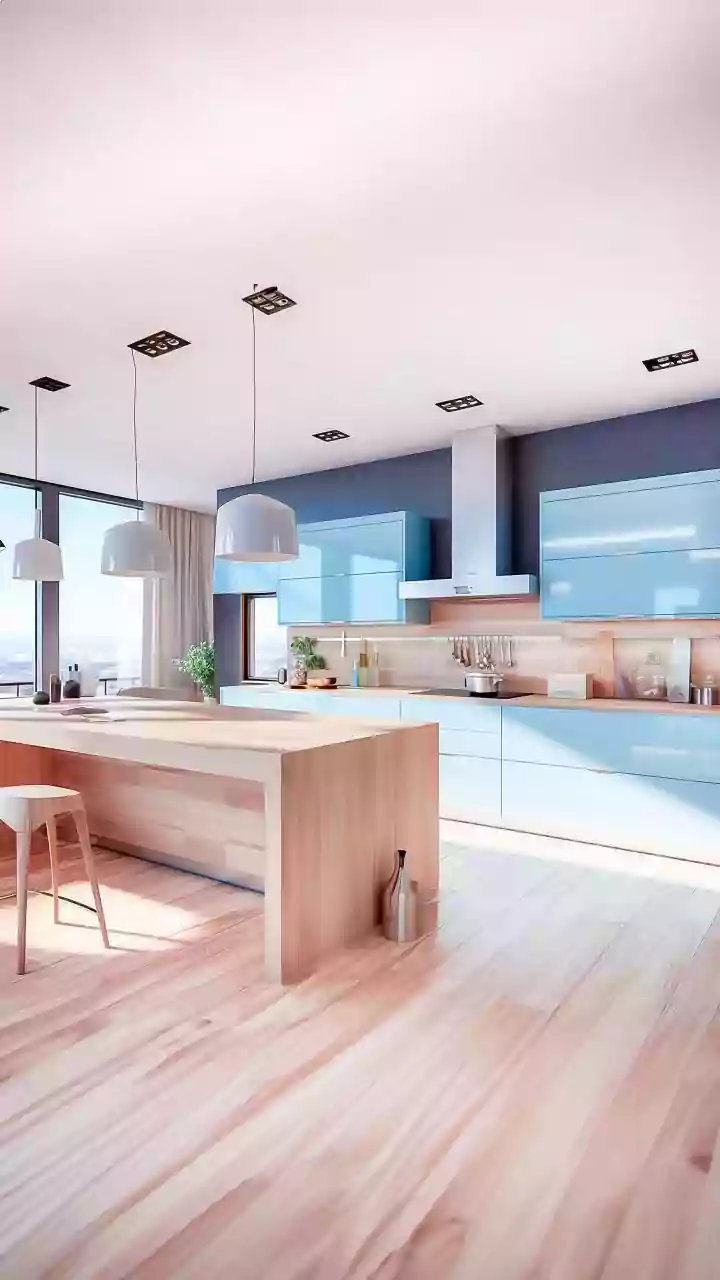
Beyond light and views, the very shape and placement of large windows are a form of architectural magic. Floor-to-ceiling windows, for example, emphasize verticality. They draw the eye upward, creating an illusion of higher ceilings and a grander scale. A wide, uninterrupted pane of glass, like a picture window, offers a seamless panorama that minimizes the separation between inside and out. In contrast, multiple smaller windows can break up a wall and make it feel cluttered. By replacing a traditional wall with a transparent one, you are essentially removing a visual stop sign. The flow of the space is no longer abruptly halted; it continues, visually, into the world beyond. This creates a powerful feeling of liberation and airiness that is difficult to achieve through any other single design element.
How to Maximize Your Existing Windows
What if a gut renovation to install massive windows isn't an option? You can still apply these principles to amplify the space you have. First, declutter the area around your windows to ensure the path for light is unobstructed. Keep windowsills clear. Second, choose window treatments wisely. Ditch heavy, dark drapes for sheer curtains, light-filtering blinds, or no treatment at all, if privacy allows. Hang curtain rods higher and wider than the window frame itself; this tricks the eye into thinking the window is larger than it is. Finally, strategically place a large mirror on the wall opposite a window. A mirror not only bounces light around the room but also reflects the view, effectively creating a second “window” and doubling the sense of depth and openness.