




The Rise of the Countertop Farm
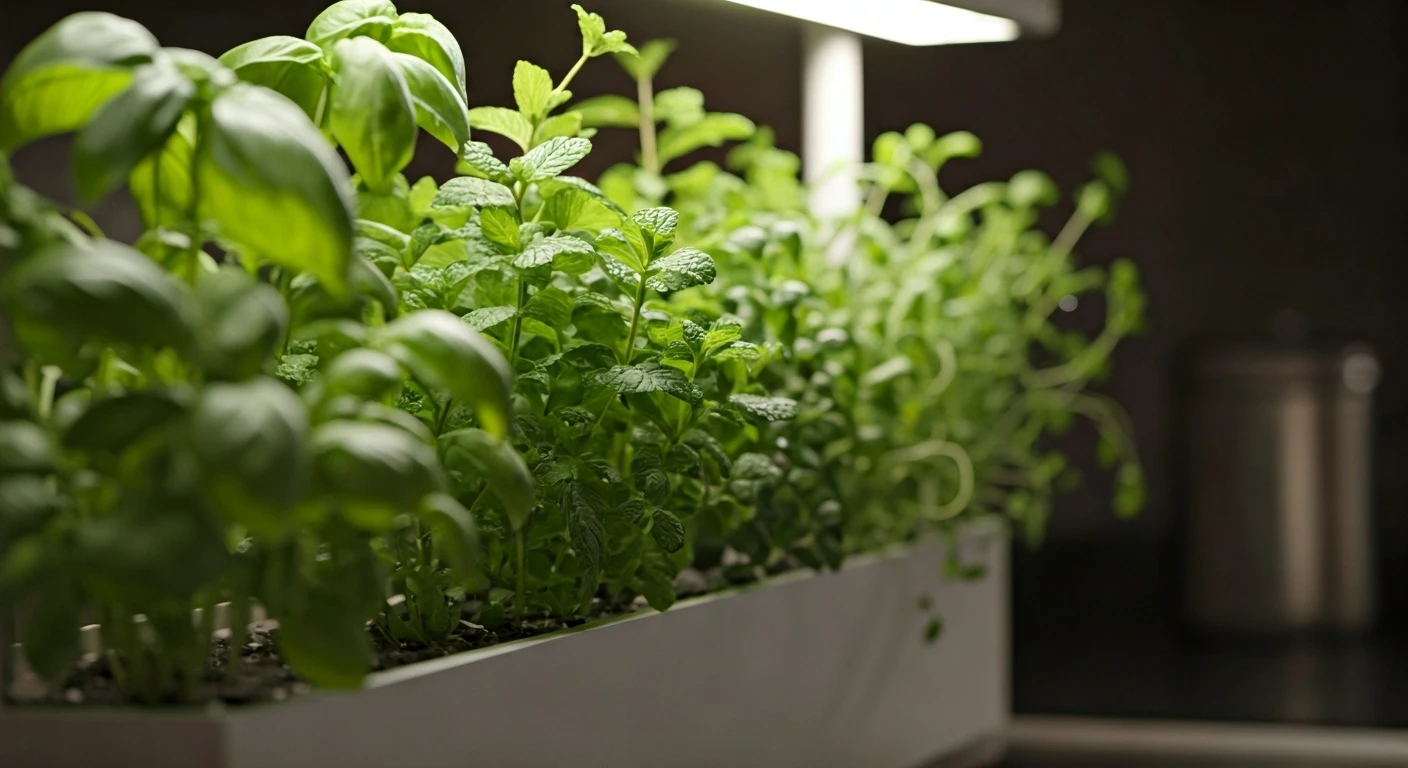
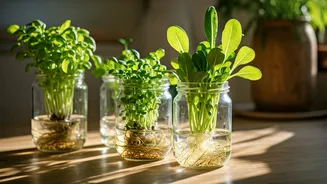
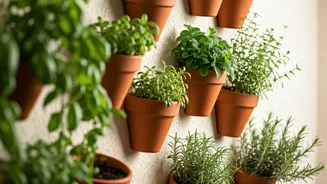
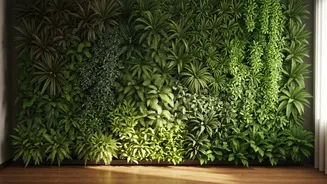
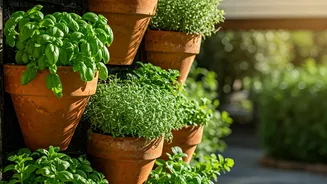
Forget sprawling garden beds. A vertical kitchen garden is a compact, soil-free or soil-based system designed to grow plants upwards, maximizing yield in a minimal footprint. These systems range from simple stacked trays to sleek, automated units with
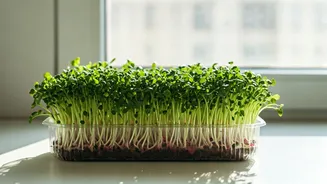
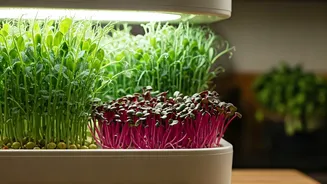
built-in grow lights and self-watering features. They’re tailor-made for city dwellers, fitting neatly on a kitchen counter, a small shelf, or mounted on a wall. Their main purpose is to make growing your own food not just possible, but incredibly convenient. And the star crop of these tiny indoor farms is often the microgreen—a category of vegetable greens harvested just after the first true leaves have developed.
Tiny Greens, Tremendous Benefits
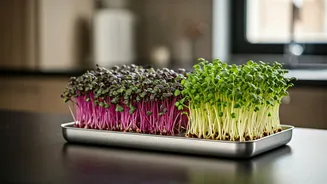
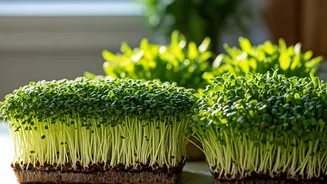
So, why microgreens? They aren't just sad, forgotten garnishes. These miniature powerhouses are essentially the baby versions of familiar vegetables like radishes, broccoli, kale, and cilantro. Studies have shown they can contain significantly higher concentrations of vitamins and nutrients—sometimes 4 to 40 times more by weight—than their mature counterparts. This is because all the nutrients the plant needs to grow are packed into that initial stage. Beyond nutrition, the flavor is a revelation. Micro-radish has a spicy kick, micro-cilantro is intensely aromatic, and pea shoots taste like the freshest spring peas you’ve ever had. They can elevate a simple salad, sandwich, or omelet into something special.
Decoding 'Easy' and 'Sustainable'
The headline's promise of ease and sustainability holds up. Most microgreens are ready to harvest in just 7 to 14 days, offering near-instant gratification that’s perfect for impatient gardeners. The vertical systems themselves are designed for simplicity. Many are hydroponic, meaning they use nutrient-rich water instead of messy soil, and often feature automated timers for lights and water, taking the guesswork out of plant care. The sustainability angle is just as compelling. Growing at home eliminates “food miles”—the distance your food travels from farm to plate. It drastically reduces packaging waste (no more plastic clamshells) and often uses up to 90% less water than conventional agriculture. You harvest only what you need, so food waste plummets.
Getting Started: Kits vs. DIY
Dipping your toes into the world of microgreens is surprisingly accessible. For the plug-and-play enthusiast, a host of starter kits are available online and in stores. These typically include a tray system, grow medium (like coconut coir or a jute mat), and pre-portioned seed packets. Many higher-end models from brands like AeroGarden or Hamama come with integrated LED grow lights, which are essential if your apartment doesn't get several hours of direct sun. For the budget-conscious or DIY-inclined, you can start even more simply. All you really need is a shallow tray (a takeout container will do), a growing medium, and seeds. The key is providing two things: consistent moisture and a good light source. Placing your tray on a sunny windowsill or under a simple, inexpensive LED light can be enough to get you started.
Your First Crops: Easy Growers
Feeling ready to plant? Start with varieties known for being forgiving and fast-growing. Radish microgreens are a fantastic first choice; they germinate quickly and have a delightfully spicy flavor. Broccoli is another easy win, with a mild, fresh taste and a reputation for being nutrient-dense. For something a little different, try pea shoots. They have a sweet, crunchy texture and a substantial size that makes them great for salads and stir-fries. These varieties don't require much fuss and will give you a quick, successful harvest, building your confidence to experiment with more delicate greens like basil or amaranth down the line.