


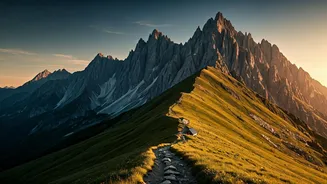
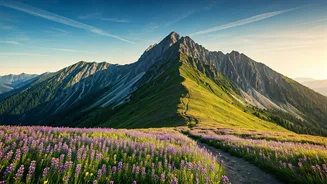


The Rise of the 'Active' Vacation
The classic “fly-and-flop” vacation—where the most strenuous activity is reapplying sunscreen—isn’t dead, but it’s no longer the undisputed champion of American travel. For a growing number of young adults, the ideal trip is defined by what you *do*,
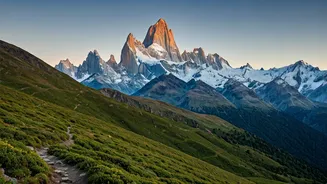
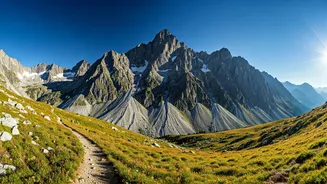
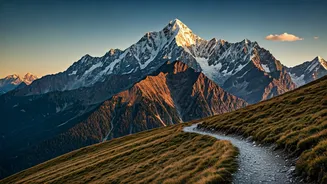
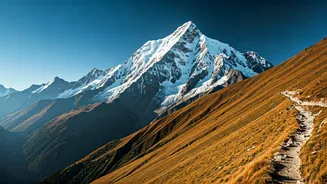
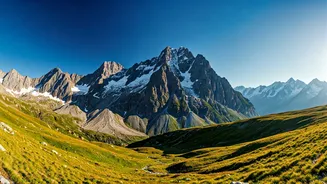
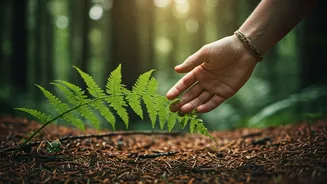
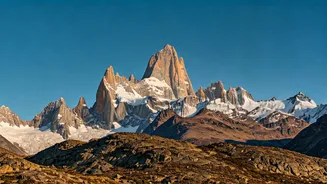
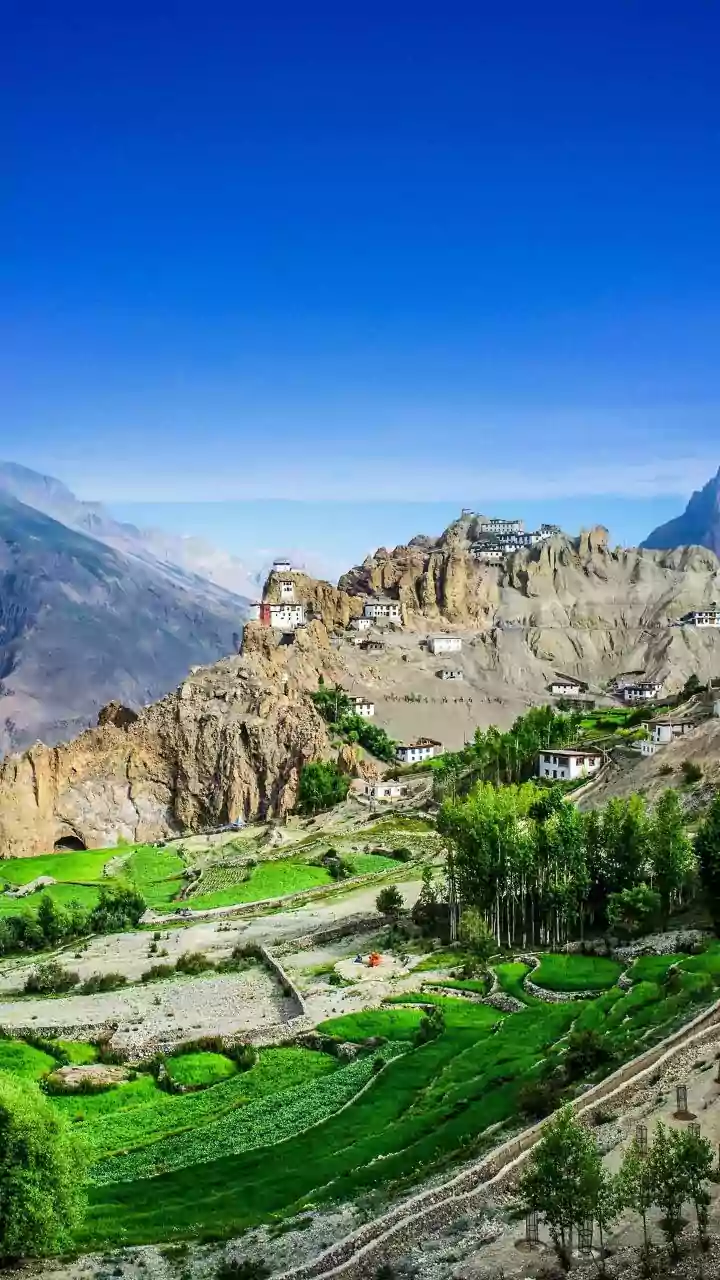
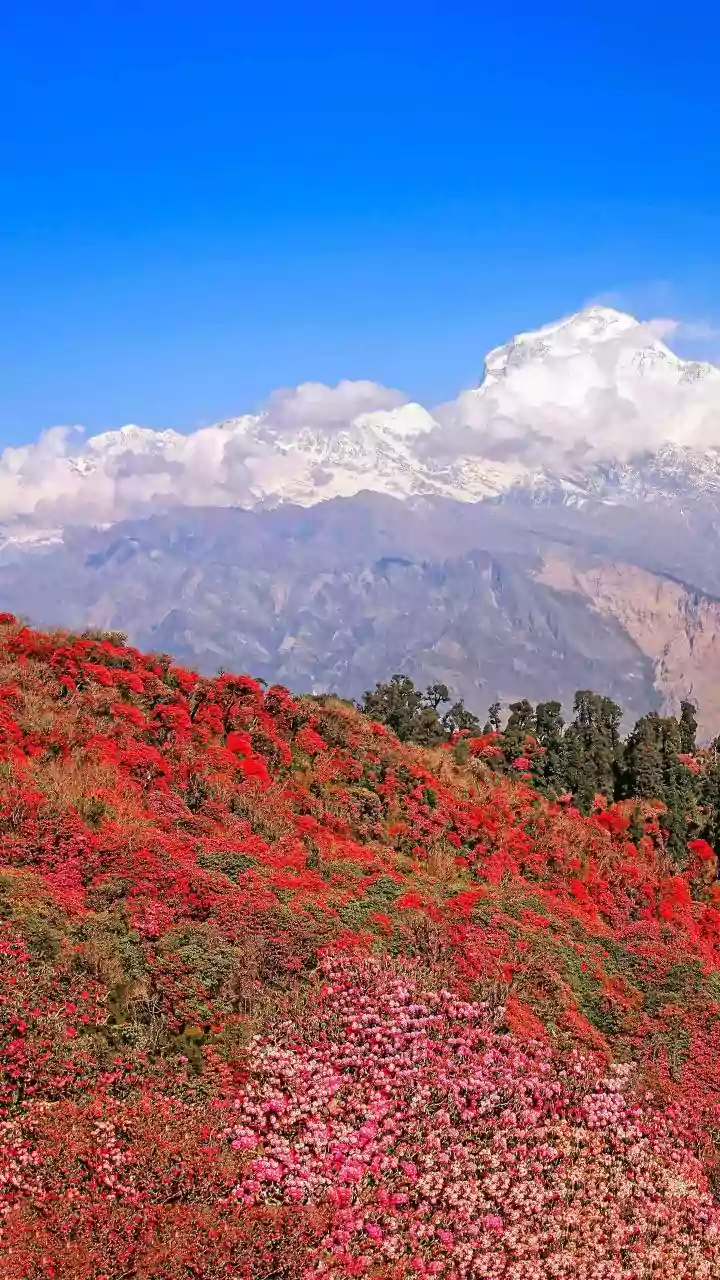
not just where you are. This has paved the way for mountain destinations to surge in popularity. Think less all-inclusive resort wristbands and more well-worn hiking boots. While previous generations may have sought pure relaxation, many in Gen Z are chasing experiences that feel productive, challenging, and transformative. A week spent conquering trails in Colorado or exploring the quiet forests of the Adirondacks offers a sense of accomplishment that a beach chair often can’t match.
Chasing Experiences, Not Tans
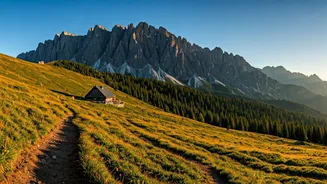
This shift is rooted in a broader generational preference for the “experience economy.” Gen Z, more than any preceding generation, tends to prioritize spending money on memorable activities over material goods. A beach trip can feel passive and homogeneous, while a mountain trek is inherently unique. Every trail has its own challenges, every summit its own view. This quest for authenticity also extends to lodging and food. Young travelers are often more excited by a rustic cabin, a local diner in a small mountain town, or a campsite under the stars than by a sanitized, globally branded resort. It’s about collecting stories and skills, not just a tan. This mindset favors destinations like national parks, which have seen a significant youth boom, with visitors seeking out activities like hiking, climbing, and kayaking.
The New Social Media Aesthetic
For the first digitally native generation, it’s impossible to separate travel from how it’s documented. But the aesthetic has evolved. The glossy, perfectly posed bikini photo is being challenged by a more rugged, seemingly candid style. A photo of someone, breathless and smiling on a mountain summit, says something different. It signals resilience, a connection to nature, and an adventurous spirit. The #hiker-core and #granolagirl trends on platforms like TikTok and Instagram have turned outdoor gear into a fashion statement and mountain landscapes into the ultimate coveted backdrop. This visual currency is powerful; it’s not just about showing where you went, but *who you are*—someone who values grit and natural beauty over curated perfection.
Wellness and the 'Right to Disconnect'
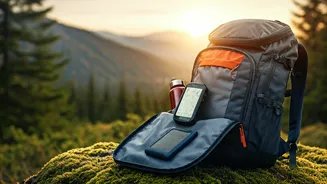
While beach vacations can be relaxing, they often keep you tethered to the very things you’re trying to escape: Wi-Fi, social pressures, and the constant hum of commercial activity. Mountainous regions, by contrast, often force a digital detox. Spotty cell service in a place like Yosemite or Glacier National Park isn't an inconvenience; for many Gen Z travelers, it's a key feature. Immersing oneself in nature is increasingly seen as a vital component of mental wellness. The physical exertion of a hike provides a clear, goal-oriented release of stress, while the quiet grandeur of a mountain vista offers a powerful antidote to the sensory overload of daily digital life. It’s a proactive, rather than passive, form of restoration.
Affordability in an Uncertain Economy
Let’s not forget the practical element: money. Gen Z is navigating a tough economic landscape, marked by inflation and student debt. A classic beach vacation to a popular destination can be prohibitively expensive, with high costs for flights, beachfront hotels, and tourist-trap restaurants. Mountain travel, however, can be scaled to almost any budget. A road trip to a national park, splitting the cost of a rental cabin with friends, or packing your own food for a camping trip can make for a memorable vacation that doesn’t break the bank. This accessibility makes the mountains a pragmatic choice for a generation that is both fiscally conscious and hungry for adventure.