





More Than a Rainy Day Market
Imagine a sprawling, open-air bazaar, alive with the rhythmic clatter of looms and the buzz of negotiation. This is the scene at monsoon handloom fairs, a seasonal tradition primarily in South Asia, where artisans from rural villages gather to sell their
wares directly to city dwellers. For generations, these events were simply a part of the local economy. But recently, their demographic has skewed younger. The new attendees aren’t just haggling for a good price; they’re armed with smartphones and questions about dye processes, sourcing, and the story behind each pattern. They see these fairs not as quaint relics, but as the front lines of a fashion revolution.
The Soul of the Fabric
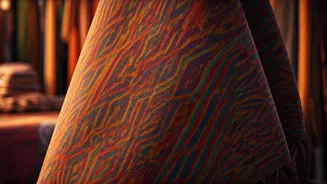
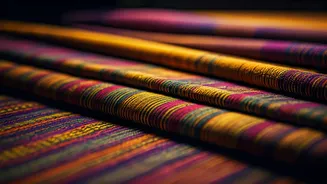
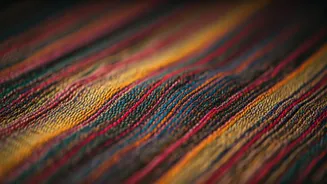
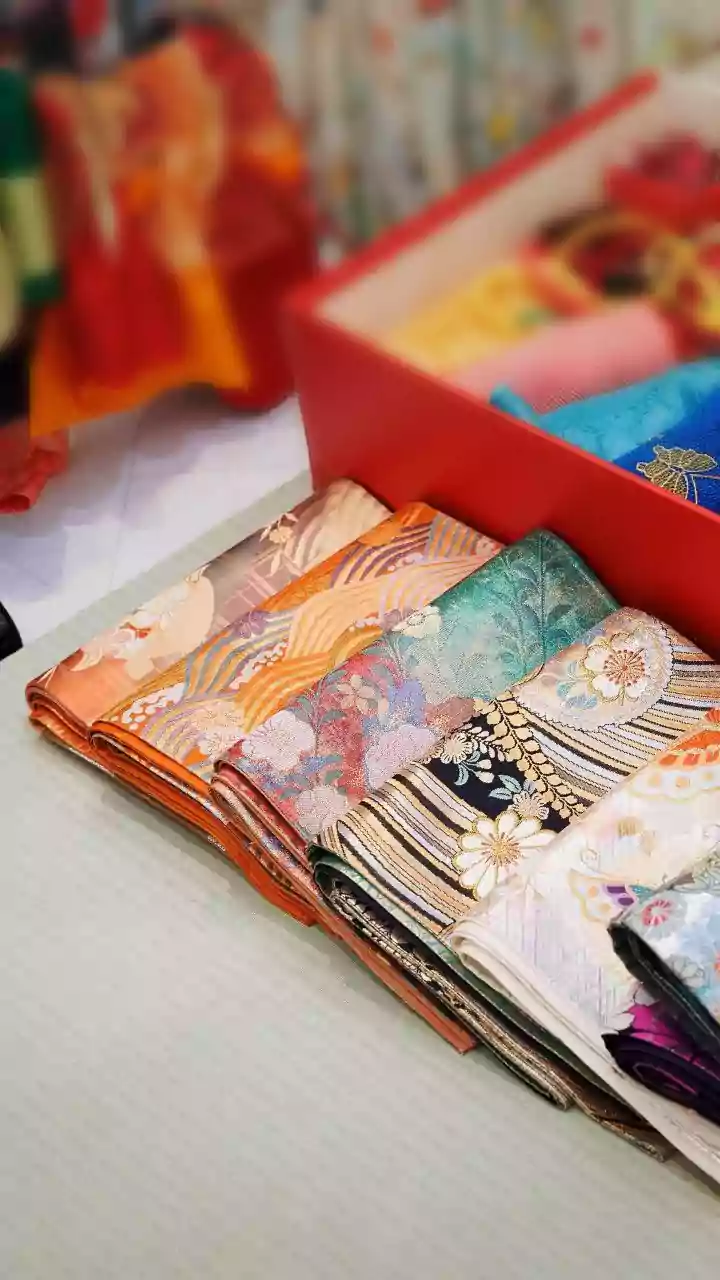
So, what exactly is a “handloom weave”? Unlike machine-made textiles that are churned out by the mile in automated factories, handloom fabrics are created entirely by hand on a wooden loom. Each thread is passed through manually, a process that is slow, meticulous, and requires immense skill passed down through generations. These “indigenous weaves”—like the geometric precision of Pochampally Ikat from India, the breezy comfort of Khadi (a favorite of Gandhi), or the sheer, patterned elegance of Jamdani from Bangladesh—are more than just cloth. They are tangible pieces of cultural history. Every pattern tells a story, every inconsistency is a mark of the human hand, and every purchase directly supports the artisan family that created it. It’s the antithesis of the sterile, uniform products that dominate global retail.
The Rise of the Conscious Consumer
The real story here isn't just the beauty of the textiles; it's the mindset of the people buying them. For a generation raised on the internet, exposed to the environmental and human costs of the fast-fashion industry, the appeal of handloom is obvious. Young shoppers, particularly Millennials and Gen Z, are increasingly driven by a desire for authenticity, sustainability, and transparency. They’ve seen the documentaries about overflowing landfills of cheap clothes and read the reports on poor working conditions in garment factories. In response, they’re seeking out “slow fashion”—items that are timeless, durable, and made with ethical considerations at their core. A handwoven scarf or shirt isn’t a disposable trend piece. It’s a statement of values: a vote for craftsmanship over mass production, for sustainability over waste, and for supporting a person over a corporation.
From Local Fair to Global Closet
While monsoon fairs are the epicenter of this movement, the trend has gone global. It’s visible in the curated artisan sections of online marketplaces like Etsy, where weavers can now reach a worldwide audience. It’s present in the rise of boutique brands in the U.S. and Europe that proudly label their products with the name and face of the artisan who made them. Social media platforms like Instagram have become virtual showrooms, allowing shoppers to discover and connect with weavers directly, bypassing traditional supply chains. This global connectivity allows an American shopper in Des Moines to buy a piece of fabric woven in a small Indian village, knowing exactly where their money is going. It transforms a simple transaction into a meaningful exchange, connecting people across continents through a shared appreciation for craft and conscience.