


Art Is a Way of Life, Not a Hobby
On Majuli, creativity isn’t something you do in your spare time; it’s woven into the fabric of society. The island is the heart of Assamese neo-Vaishnavite culture, and its monasteries, known as *Sattras*, are living museums and workshops. For centuries,
monks and artisans here have perfected the craft of mask-making (*mukha shilpa*). These intricate, often gigantic masks of gods, goddesses, and demons aren't just decorative. They are central to the *Bhaona*, a traditional theatrical performance that brings Hindu mythology to life. Imagine a community where the highest form of expression is creating something beautiful with your hands to tell a story. In a world of digital consumption, Majuli is a masterclass in active, tangible creation.
Sustainability Isn't a Buzzword, It's Survival
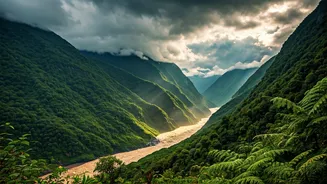
Majuli is the world's largest river island, but it’s shrinking. Every monsoon, the powerful Brahmaputra River erodes its banks, posing an existential threat. This constant dance with nature has fostered a deep-seated culture of sustainability. Homes are built from bamboo on stilts, designed to withstand floods and be moved if necessary. Fishing and farming are timed to the river's cycles. This isn't performative eco-consciousness; it's a pragmatic, centuries-old relationship with the environment. For a generation anxious about climate change and seeking authentic ways to live more lightly on the earth, Majuli offers a powerful, if fragile, example of resilience and adaptation.
Spirituality Is About Community, Not Just Belief
The *Sattras* of Majuli are more than just monasteries. They are the island's cultural and spiritual nerve centers. Here, faith is a communal activity expressed through song, dance, and prayer. You can hear the rhythmic chanting of *Borgeet* (devotional songs) and witness young monks training in classical *Sattriya* dance, a tradition recognized as one of India's major classical dance forms. It fosters a profound sense of belonging and shared purpose that transcends the individual. In an age of increasing isolation, Majuli’s model of a spiritually connected community—where everyone, from the youngest novice to the oldest elder, has a role—feels like a radical and deeply necessary idea.
The Ultimate Digital Detox
While connectivity is slowly improving, Majuli remains a place where your phone often takes a backseat. The main attractions aren't Wi-Fi hotspots, but sunsets over the river, conversations with weavers from the Mishing tribe, and the quiet hum of monastery life. This forced disconnect isn't a deficiency; it's the island's greatest luxury. It creates space for genuine human connection and encourages you to be fully present. It’s a chance to trade endless scrolling for the simple, profound act of watching a potter shape clay by hand or a ferry navigate the vast, shimmering expanse of the Brahmaputra. This is the detox we all say we need, but rarely commit to.
Slow Craft Over Fast Fashion
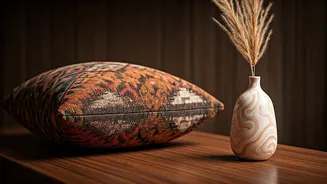
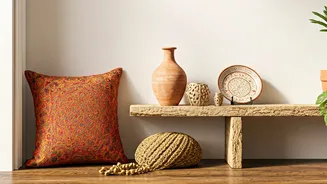
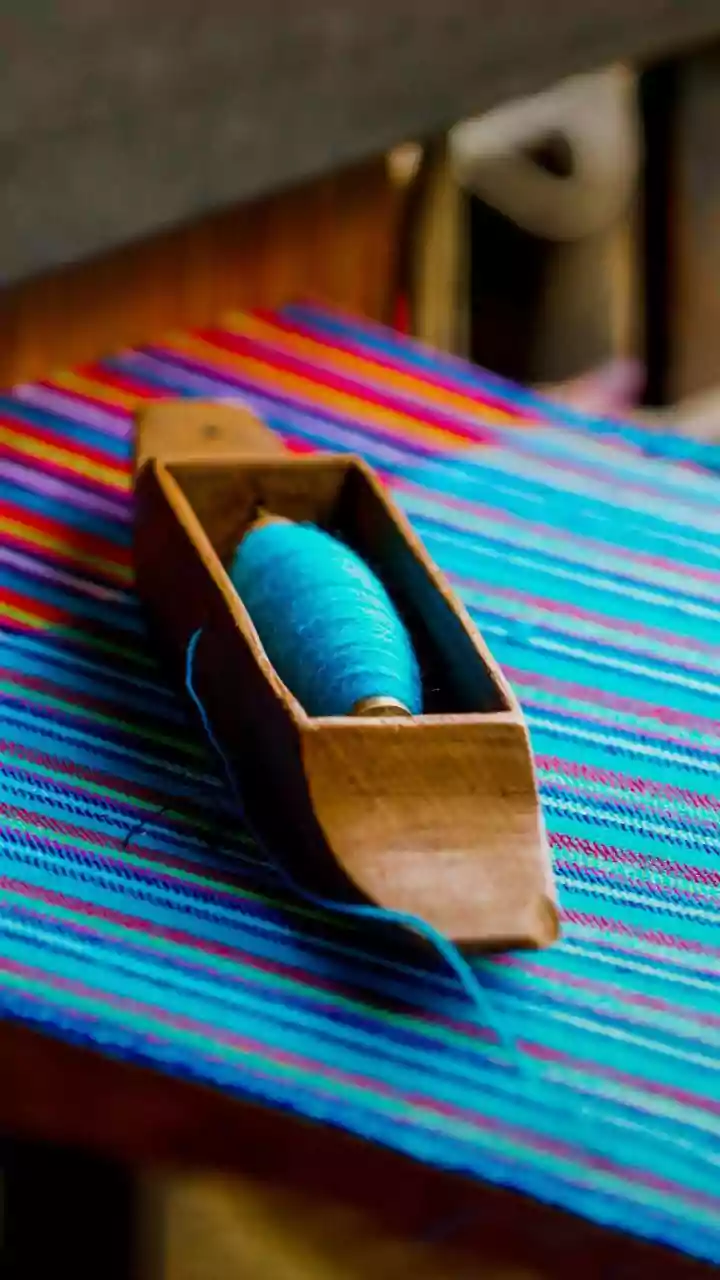
The island is home to various indigenous communities, including the Mishing people, renowned for their exceptional weaving skills. In Mishing homes, you’ll find women at their handlooms, transforming threads of cotton and silk into vibrant textiles with intricate, geometric patterns. Each piece tells a story of tradition passed down through generations. This is the antithesis of fast fashion. It’s slow, deliberate, and deeply personal. It champions the maker and imbues everyday objects with meaning and history. For anyone tired of disposable culture, the reverence for handmade craft in Majuli is a powerful reminder that the things we own can and should have a soul.