


The End of 'Menu FOMO'
Forget the rigid, three-act structure of appetizer, main course, and dessert. The 'food tour' meal is all about variety, exploration, and a steady stream of surprises. Think of it as the restaurant's curated mixtape of its best ideas, delivered in a single,
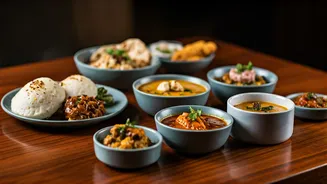
cohesive experience. This isn't just a rebrand of the small plates concept we’ve known for years. While tapas and mezze are clear ancestors, this new iteration is more intentional. It’s a deliberate narrative crafted by the chef, where each bite is a stop on a journey. One moment you're tasting a smoky, charred vegetable; the next, a bright, acidic crudo; then a rich, braised meat—all within the span of one meal, sometimes even on one plate. It’s an answer to our modern 'fear of missing out,' translated for the dinner table.
From Tasting Menus to 'Snackification'
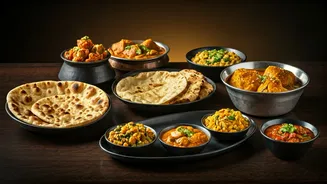
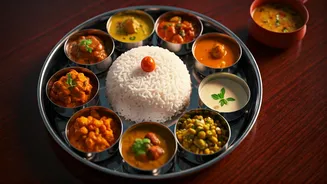
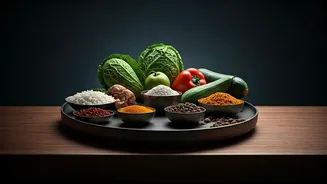
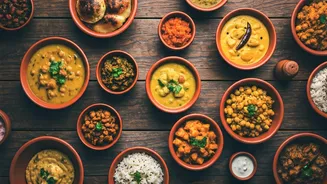
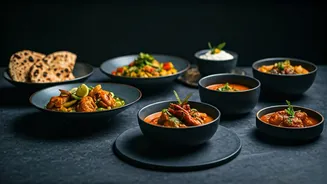
For years, the pinnacle of this variety-driven experience was the formal tasting menu—a multi-hour, multi-thousand-dollar marathon. But that format can feel intimidating and inaccessible. The food tour meal is its more democratic, laid-back cousin. It borrows the tasting menu’s spirit of discovery but ditches the solemnity and sky-high commitment. This shift is also powered by what industry insiders call 'snackification'—our growing preference for smaller, more frequent, and more diverse flavor experiences over large, monolithic meals. Chefs are drawing inspiration from global food cultures where this has always been the norm. The anju that accompanies Korean drinks, the sprawling banchan that kicks off a Korean barbecue, or the vibrant thali platters of India, which present a complete, balanced meal with six different flavors in small bowls, have all influenced this American dining evolution.
Why Chefs and Diners Love It
This trend is a win-win. For diners, the appeal is obvious: it’s exciting. You get to satisfy your curiosity without having to commit to a single, large entrée. It’s inherently social, encouraging sharing and conversation as new dishes arrive. And let's be honest, it’s incredibly photogenic, playing directly into the social media desire to showcase a wide range of experiences. For chefs and restaurants, the format offers immense creative freedom. It allows them to experiment with seasonal ingredients on a small scale, test new ideas without overhauling the entire menu, and showcase their technical range. From a business perspective, it can also be more efficient, reducing potential food waste by using ingredients across several small preparations and often commanding a higher price-per-ounce through perceived value and artistry.
What It Looks Like on the Plate
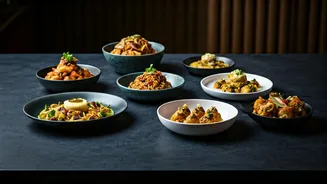
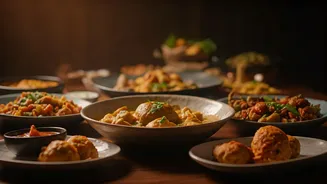
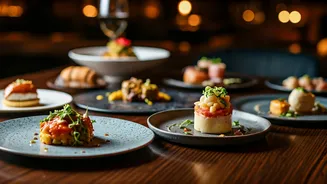
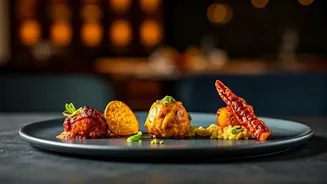
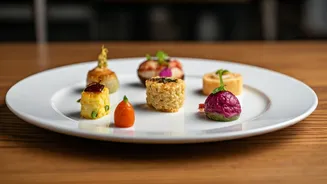
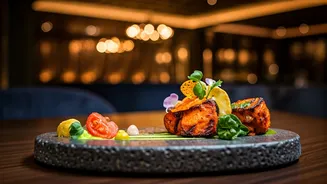
So, what does this actually look like? It can take many forms. At some restaurants, it’s a 'chef's selection' platter that arrives with five or six distinct, composed bites arranged like jewels on a board. Imagine a miniature lamb chop next to a dollop of herbed yogurt, a single seared scallop with brown butter, a spoonful of citrus-cured fish, and a tiny, savory tart. At other places, it’s a series of small courses that come out in a relaxed but steady rhythm, each one a chapter in the meal's story. You might start with a flight of breads and inventive butters, move to a trio of vegetable preparations, then a small pasta, and finally a few bites of a perfectly cooked protein. The common thread isn’t the specific food but the format: a curated journey designed to hit multiple flavor and texture notes in one sitting.