


The Rise of the Weekend Escape
For many young professionals in Indian megacities like Mumbai, Delhi, and Bengaluru, the traditional annual vacation is being replaced by a series of 'micro-breaks.' These are short, often spontaneous trips, typically lasting just two to four days. The goal
isn't to see an entire region but to disconnect, recharge, and experience something beautiful, fast. The grind of urban life, coupled with a growing desire for work-life balance, has created a powerful appetite for frequent, low-commitment escapes. This isn't about saving up for one big trip a year; it's about punctuating the calendar with consistent doses of freedom and adventure. It’s a profound shift from the multi-generational, obligation-heavy family trips that once defined Indian travel, signaling a move toward individualistic leisure and personal fulfillment.
Driven by the 'Gram
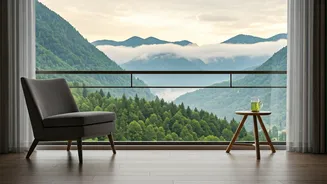
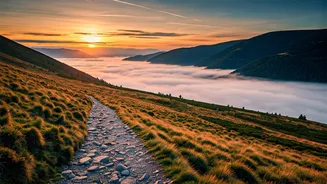
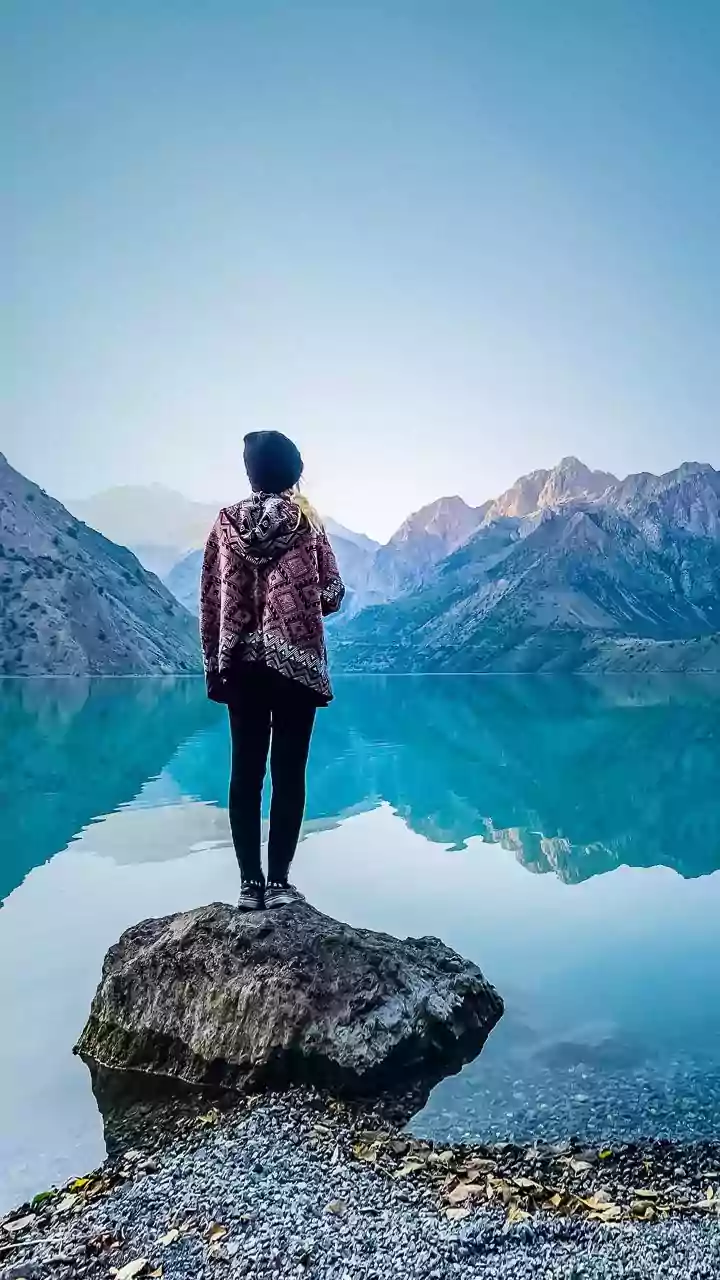
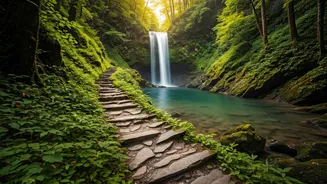
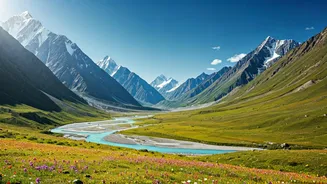
The “Big Views” part of the equation cannot be overstated. In an age dominated by visual storytelling, the destination is often chosen for its 'Instagrammability.' A stunning Himalayan vista, a colorful Goan beach shack, a serene backwater in Kerala, or a chic café in the hills of Himachal Pradesh—these are the new travel hot spots. The trip is as much about capturing the perfect photo as it is about the experience itself. For this digitally native generation, a trip that isn’t shared on Instagram or a YouTube vlog might as well have not happened. This has created a self-reinforcing cycle: influencers and friends post breathtaking photos, which in turn drive travel trends and create a bucket list of photogenic locations. Travel companies and local entrepreneurs have been quick to capitalize, marketing boutique stays and experiences specifically designed to look good on camera.
New Money, New Mobility
This trend isn’t happening in a vacuum. It’s powered by significant economic and infrastructural changes. A booming tech and startup sector has given millions of young Indians more disposable income than any previous generation. Simultaneously, India's infrastructure has dramatically improved. The expansion of budget airlines has made flights to once-remote areas affordable, while new highways have slashed travel times by road. This newfound mobility means a weekend trip from Delhi to the mountains or from Mumbai to the beaches of Goa is no longer a logistical nightmare. The rise of booking platforms like MakeMyTrip and the proliferation of hostels, guesthouses, and Airbnb-style homestays provide a wide range of affordable accommodation options that appeal to a younger, more independent traveler who shuns traditional five-star hotels.
The 'Workation' Phenomenon
The pandemic-era shift to remote work has supercharged this trend, giving birth to the 'workation.' Young professionals are packing their laptops and swapping their city apartments for long-term stays in scenic locales like Manali or Rishikesh. They work during the day and explore mountains, rivers, and local culture in their off-hours. This blend of work and leisure has blurred the lines of the traditional vacation, allowing for extended stays that still fit the 'quick trip' ethos on a recurring basis. Hostels and co-living spaces have quickly adapted, offering high-speed internet, comfortable workstations, and a built-in community of like-minded digital nomads. It represents a fundamental re-imagining of what the workday and workplace can be.