


The Humidity and Mold Problem
The biggest and most immediate threat during a humid, rainy season is to your pet’s food supply itself. High humidity is the enemy of dry kibble. When moisture gets into a bag or container of dry food, it can become a breeding ground for mold and bacteria.
Some molds produce mycotoxins, which are toxic substances that can cause serious illness in pets, leading to symptoms ranging from vomiting and diarrhea to liver failure and neurological issues. Store your pet's dry food in its original bag, but place that entire bag inside a sealed, airtight plastic or metal container. This double-barrier system keeps food fresh and prevents moisture intrusion. Avoid pouring kibble directly into a container, as the fats can go rancid and coat the sides, contaminating future batches. At every meal, give the food a quick visual check and a sniff—if it looks or smells off, throw it out immediately. It's far cheaper than an emergency vet bill.
Adjust Portions for Less Activity
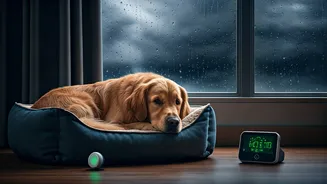
Thunderstorms, muddy parks, and oppressive humidity often mean shorter walks and less vigorous playtime. For many dogs, monsoon season is couch potato season. While it's tempting to keep their food bowl filled to the usual level, a sudden drop in physical activity without a corresponding drop in calories is a recipe for weight gain. Obesity in pets is linked to a host of health problems, including joint pain, diabetes, and a shortened lifespan. Pay close attention to your pet’s energy levels. If you're cutting walks from an hour down to 15 minutes, you likely need to reduce their daily food intake by a small amount, perhaps 10-15%. You can also supplement their exercise with indoor activities like puzzle feeders, scent work games, or a good old-fashioned game of fetch down a long hallway. This keeps them mentally and physically stimulated without having to brave the downpour.
Beware of Backyard Snacking
Rain coaxes all sorts of new and interesting things out of the ground, many of which can be tempting—and toxic—for a curious pet. Wild mushrooms are a primary concern. They can sprout overnight in lawns and mulch beds, and while most are harmless, a single toxic mushroom can be fatal. It’s nearly impossible for a layperson to distinguish a safe mushroom from a deadly one, so the only safe rule is to treat all of them as poisonous. Before letting your dog out, do a quick sweep of the yard and remove any fungi you see. Supervise your pet closely when they are outdoors. The same goes for other post-rain temptations, like frogs and toads. Some species, like the Sonoran Desert toad found in the Southwest, are highly toxic if licked or ingested.
Keep Drinking Water Clean
After a storm, your yard can look like a water park of tempting puddles, ditches, and overflowing bird baths. Unfortunately, this standing water can be a dangerous cocktail of bacteria, parasites like giardia and leptospirosis, and chemical runoff from lawns and streets. Discourage your pet from drinking from any outdoor water source. Always provide plenty of fresh, clean, and cool water inside the house to make it the most appealing option. If your pet has a water bowl outside, be sure to dump and refresh it daily, as the humidity and heat can accelerate bacterial growth even in their designated bowl. Keeping them well-hydrated with safe water is crucial, especially in the heat that often accompanies summer monsoons.
A Note on Regional Spores
In the desert Southwest, the term "monsoon" is synonymous with a specific health risk: Valley Fever. This illness is caused by inhaling the spores of the Coccidioides fungus, which lives in the soil. When the first rains of the season hit dry, dusty earth, these spores can be kicked up into the air. While this isn't a dietary issue, it's a critical environmental one that vets in Arizona, New Mexico, and parts of California warn about every year. Dogs are particularly susceptible. Symptoms can include coughing, fever, and lethargy. While you can’t completely avoid the risk, you can minimize it by keeping your dog indoors during dust storms and limiting their time digging in or sniffing dirt in known endemic areas, especially right after the first rains.