








Meet the Star of the Show
What exactly is a rain lily? Known botanically as *Zephyranthes*, and also called fairy lilies or zephyr lilies, these charming, petite flowers are part of the amaryllis family. They emerge from small bulbs, sending up grassy foliage that looks pleasant
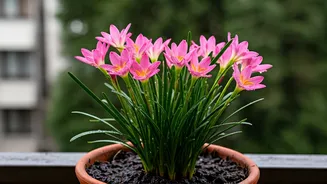
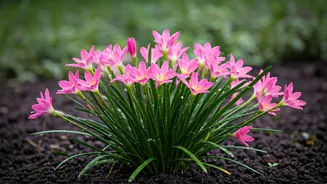
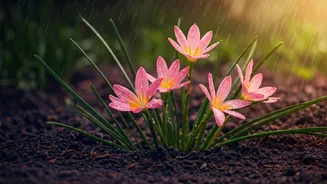
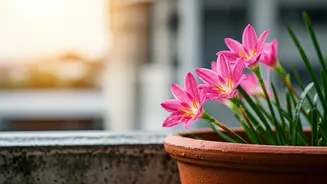
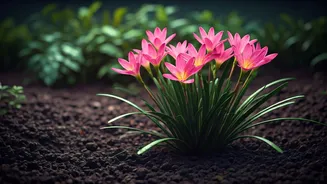
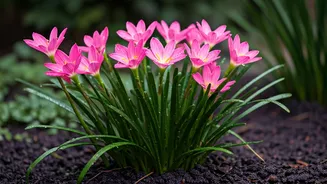
but unassuming for most of the season. You might even forget you planted them. But their quiet nature is just part of the act, setting the stage for a truly spectacular show. The flowers themselves are delicate and star- or crocus-shaped, appearing in shades of pristine white, buttery yellow, and soft to vibrant pink. They stand on slender stems, usually no more than a foot tall, making them perfectly proportioned for gardens where every inch counts.
The Art of the Surprise
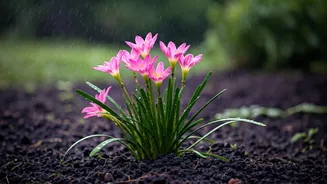
Here’s where the “drama” comes in. Rain lilies are famous for their unique blooming habit: they burst into flower almost overnight following a good drenching rain, especially after a period of dry weather. The sudden change in moisture and barometric pressure triggers the bulbs to send up flower stalks with astonishing speed. One day you have a simple patch of green, and the next, you have a constellation of colorful blooms nodding in the breeze. This isn’t a slow, predictable unfurling; it’s a sudden, joyous, and utterly magical event. This pop-up performance can repeat several times throughout the summer and early fall, turning every significant rainstorm into an exciting garden event. It’s the kind of low-effort, high-reward spectacle that makes gardening feel like a collaboration with nature itself.
Perfect for Patios and Tight Spots
The compact size and easygoing nature of rain lilies make them ideal for modern outdoor spaces. If you’re working with a balcony, a tiny patio, or a crowded urban yard, these are your plants. They thrive in containers, where their sudden blooms can provide a stunning focal point right by your door or seating area. Plant a dozen bulbs together in a medium-sized pot for a full, dramatic display. They are also brilliant for tucking into the front of a border, lining a walkway, or planting in rock gardens. Because their foliage is so fine and grassy, they integrate beautifully into existing plantings without demanding much space, then steal the show when they decide to bloom. They are the perfect solution for adding a layer of surprise to a garden that might otherwise feel static.
How to Make Them Thrive
The best part about rain lilies is that their dramatic flair doesn’t come with diva demands. They are exceptionally easy to grow. Plant the bulbs in the spring after the danger of frost has passed. Choose a spot that gets at least six hours of full sun for the best blooming. They aren’t picky about soil, but they do require good drainage to prevent the bulbs from rotting—a must if you’re planting in pots. Plant the small bulbs about one to two inches deep and a few inches apart. Once established, they are quite drought-tolerant, which is what helps set the stage for their rainy-day performance. Water them well after planting, but then you can largely let nature take its course. As a general precaution, it's worth noting that all parts of the plant, especially the bulb, are toxic if ingested, so keep them away from curious pets and children.
Choosing Your Cast
While you can’t go wrong with any rain lily, you have a few choices to set the mood. The most common and robust is *Zephyranthes candida*, the white rain lily, which produces a blizzard of pure white flowers. For a soft touch, look for *Zephyranthes rosea*, which offers up cheerful pink blooms. *Zephyranthes citrina* provides a splash of sunshine with its bright yellow flowers. Many gardeners find success by mixing all three, creating a confetti-like explosion of color after a summer shower. You can buy bulbs from many online retailers or garden centers in the spring. They multiply over time, so your small investment will lead to an even bigger, more dramatic performance in the years to come.