




The New Definition of Home Wellness
For decades, home renovation meant a familiar trip for latex paint, particleboard cabinets, and vinyl flooring—materials often laden with volatile organic compounds (VOCs) and other chemicals. But a growing wellness movement, which has already transformed
our diets and fitness routines, is finally entering our homes. Homeowners are increasingly aware that indoor air quality can be significantly worse than outdoor air, thanks in part to off-gassing from conventional building materials and furnishings. This awareness is fueling a demand for alternatives that don’t just look good, but feel good. The new luxury isn't about brand names; it's about breathability, non-toxicity, and a connection to nature. This movement favors materials that are renewable, biodegradable, and beautiful in their raw, authentic state, turning our living spaces into sanctuaries for well-being.
The Case for Bamboo Plywood
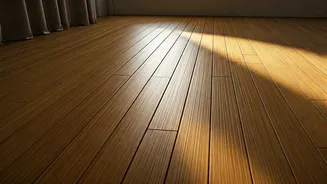
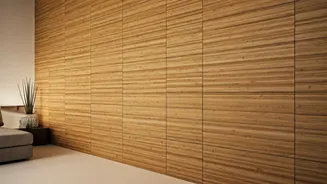
When you think of plywood, you probably picture layers of wood veneer. Bamboo plywood offers a similar functional product but with a superior environmental pedigree. Bamboo isn't a tree; it's a type of grass that can grow to maturity in just three to five years, compared to the decades required for traditional hardwoods. This rapid regeneration makes it a highly renewable resource. The 'ply' is created by slicing bamboo stalks into strips, which are then laminated together under pressure. The result is a board that is harder and more dimensionally stable than many hardwoods, making it an excellent choice for cabinetry, countertops, shelving, and even flooring. As its popularity has grown, so has its accessibility. Once a specialty item, high-quality bamboo plywood is now stocked by major home improvement retailers, a sure sign of its arrival in the mainstream. When shopping, look for products made with formaldehyde-free adhesives to ensure you're getting the full health benefit.
Rediscovering Clay Paints and Plasters
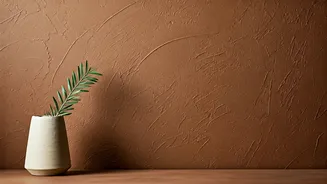
Before the advent of synthetic paints, walls were often finished with natural, earthen materials. Today, clay-based paints and plasters are making a major comeback, prized for both their beauty and their performance. Unlike acrylic and latex paints, which form a non-breathable film on the wall, clay paints allow walls to breathe. This means they can absorb and release moisture, helping to regulate humidity and inhibit the growth of mold. They are naturally free of VOCs, making them an ideal choice for bedrooms, nurseries, and anyone with chemical sensitivities. Aesthetically, clay finishes offer a depth and texture that synthetic paints can’t replicate. Their soft, matte finish absorbs light beautifully, creating a serene and calming atmosphere. The palette is typically derived from natural pigments, resulting in a range of rich, earthy tones. While the application can be more labor-intensive than a standard paint job, and the cost can be higher, the resulting ambiance and health benefits are compelling homeowners to rediscover this ancient-yet-modern finish.
Are These Materials Right for You?
So, how “mainstream” are we talking? Bamboo plywood has clearly crossed the threshold. Its availability at big-box stores makes it a practical option for any DIYer or contractor. Its price is competitive with mid-to-high-end hardwoods, making the sustainable choice an easy one. Clay paints are on a slightly different trajectory. While you’re less likely to find them on the shelf at a national hardware chain, they are widely available online through specialty suppliers and are increasingly specified by architects and designers. They represent a more considered, premium choice, but one that is no longer exclusively for eco-purists. Their rise in popularity in design magazines and on social media is rapidly expanding awareness and demand. The decision to use them often comes down to prioritizing a unique aesthetic and a toxin-free environment. For many, the subtle, velvety texture and peace of mind are well worth the extra effort and investment.