
1. Bringing Nature Indoors
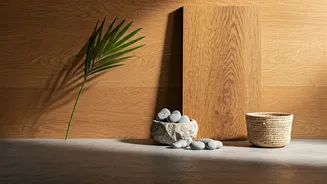
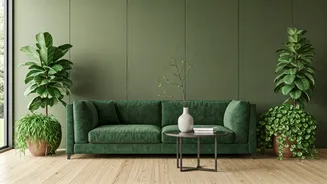
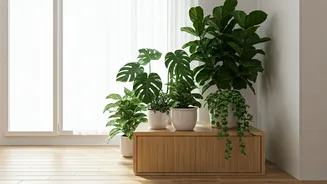
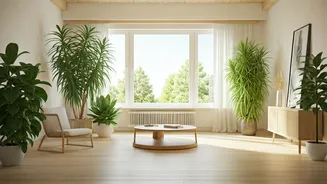
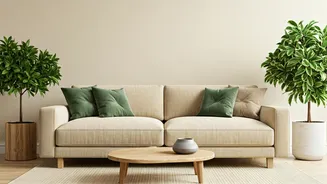
The most visible part of the wellness decor trend is biophilia—the idea that humans have an innate need to connect with nature. This goes beyond just adding a few houseplants (though that’s a great start). It’s about integrating natural elements into
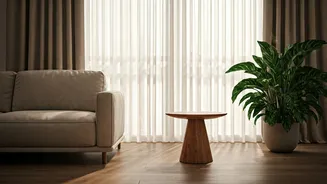
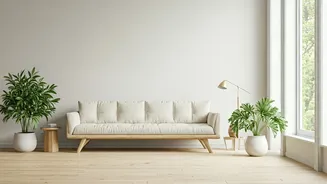
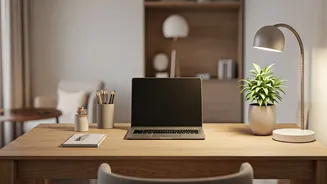
the very fabric of your home. Think large windows that maximize natural light, furniture made from unstained wood, and the use of materials like stone, rattan, and linen. These elements don't just look good; they're proven to lower stress levels, improve focus, and boost our mood. A simple way to start is by placing a plant on your desk or choosing a wool rug over a synthetic one. The goal is to create a calming ecosystem, not just a decorated room.
2. Lighting That Works With You
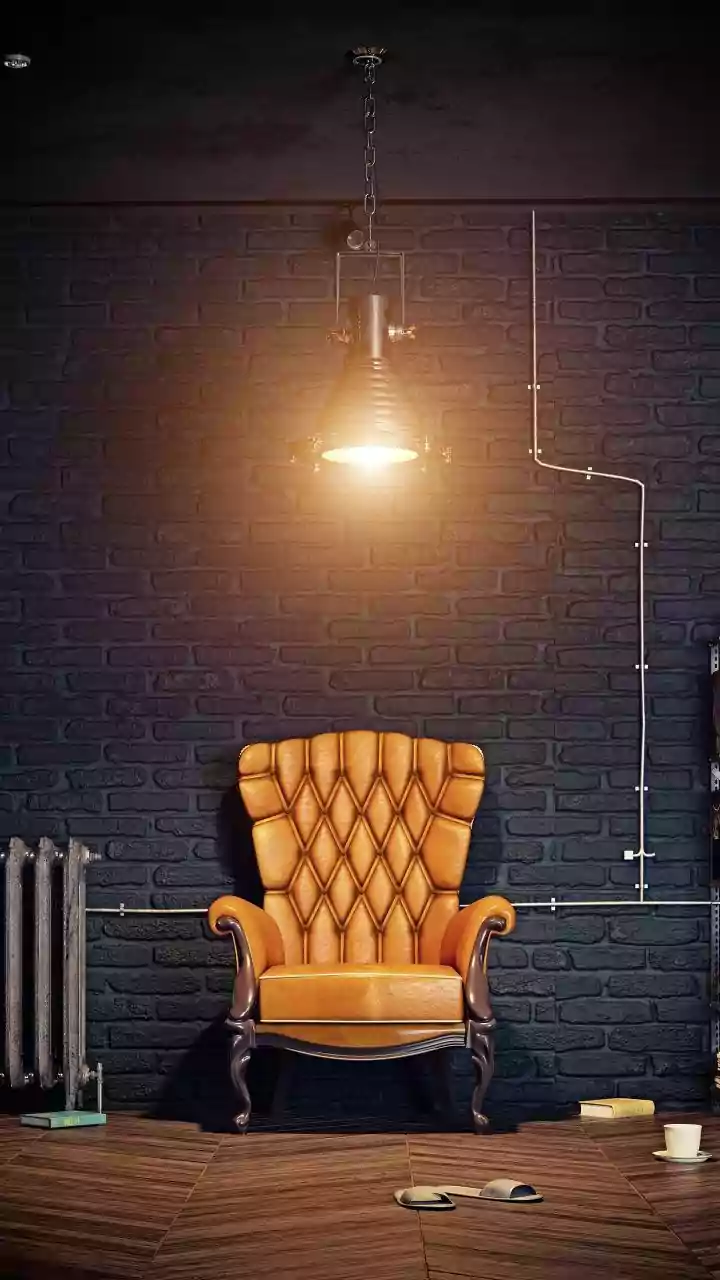
Harsh, overhead lighting can be jarring and disruptive to our natural body clocks. Wellness-led design prioritizes a layered, human-centric approach to lighting. The key concept is supporting your circadian rhythm—the 24-hour cycle that governs sleep and wakefulness. This means bright, cool-toned light during the day to promote energy and focus, and warm, dim light in the evening to signal to your brain that it's time to wind down. Smart bulbs that change color temperature throughout the day are becoming popular, but you can achieve a similar effect with dimmer switches and a mix of lamps. Having table lamps and floor lamps with warm-hued bulbs creates soft pools of light that are infinitely more relaxing than a single, bright ceiling fixture.
3. Designing for the Senses
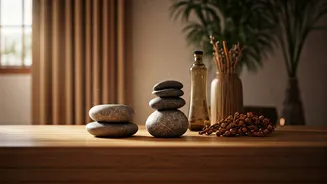
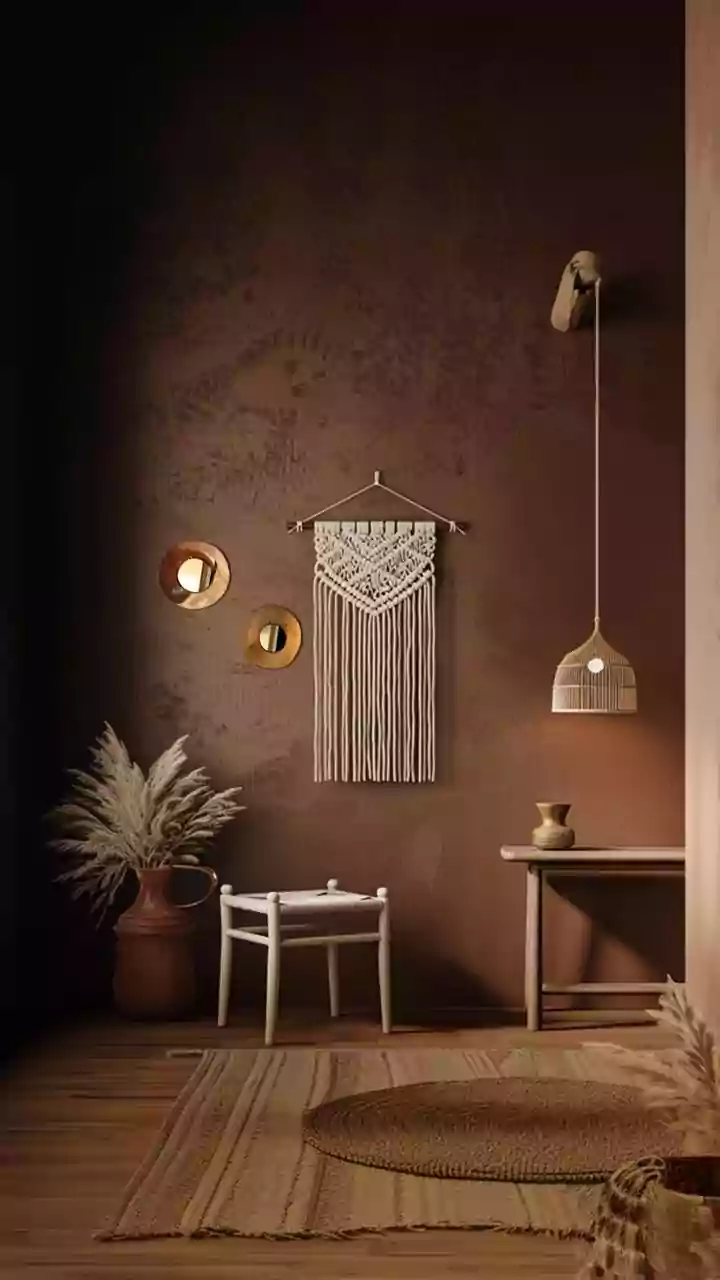
A tranquil home isn't just about what you see; it's about what you touch, smell, and hear. This trend emphasizes creating a rich sensory experience. Tactile comfort is huge: think plush velvet cushions, chunky knit throws, soft sheepskin rugs, and smooth ceramic mugs. These textures invite you to slow down and engage with your surroundings. Scent is another powerful tool. Instead of artificial air fresheners, wellness-focused homes use essential oil diffusers with calming scents like lavender and chamomile or invigorating ones like citrus. Even sound plays a role, with an emphasis on acoustics—using soft furnishings like curtains and rugs to absorb harsh echoes and create a quieter, more peaceful environment.
4. The Rise of 'Cluttercore's' Opposite
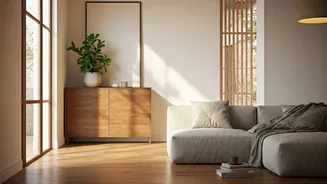
While maximalism has its place, the wellness trend leans heavily into intentional, mindful organization. This isn't about sterile minimalism, but about ensuring that everything in your home has a purpose and a place. A cluttered space can lead to a cluttered mind, contributing to feelings of stress and being overwhelmed. The solution is creating smart, elegant storage solutions that hide everyday mess. Think closed cabinetry, beautiful woven baskets, and furniture with built-in storage. The act of 'closing the door' on clutter at the end of the day provides a powerful psychological reset, allowing your living space to feel like a true retreat from the chaos of the outside world.
5. Creating Dedicated Zones
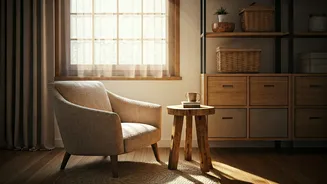
The post-pandemic home often has to wear many hats, and wellness design addresses this by creating clear functional and energetic zones. When your dining table is also your desk and your living room is also your gym, it can be hard to mentally switch off. The wellness approach encourages creating distinct areas, even in a small space. This could be as simple as using a rug to define a 'lounge zone' or a folding screen to hide your 'work zone' after 5 p.m. It's about setting physical boundaries that help you create mental ones. Having a dedicated corner for reading with a comfortable chair and good lighting, for example, tells your brain that this is a space for relaxation, not for checking emails.