



The Age of the Instant Meal
In cities from Mumbai to Bangalore, the dinner bell is no longer a bell—it’s a smartphone notification. The explosive growth of food delivery apps like Zomato and Swiggy has fundamentally rewired the Indian relationship with food. Where a home-cooked
meal was once the default, convenience has become the new king. This isn't about choosing between a fancy restaurant and cooking; it's about a third option that has become the first choice for a generation: a hot, reliable, and, most importantly, fast meal delivered with a tap. This shift is fueled by the realities of modern urban life. Long commutes, dual-income households where both partners work demanding jobs, and a generation of young professionals living away from home have created a massive market for meals that require zero effort. The promise of these platforms isn't just food, but time—the most precious commodity for India’s burgeoning middle class. They aren't ordering Western fast food as much as they are ordering Indian fast food: quick biryanis, single-serving curries, and parathas that arrive warm and ready to eat.
A Quiet Backlash to 'Modern Indian'
For a time, the high-end culinary scene in India was dominated by a wave of “modern Indian” cuisine. Chefs trained in Europe returned home to deconstruct classic dishes, serving up things like butter chicken foam, curry leaf-infused air, and spherical yogurt bursts. It was exciting, critically acclaimed, and a symbol of India’s globalizing ambitions. But for many diners, the novelty wore off. There's a growing sentiment that this experimental food, while technically impressive, often misses the point. It lacks the soul-satisfying comfort—the 'dil,' or heart—of traditional cooking. Diners began to question paying a premium for a microscopic portion of something that was a pale imitation of a beloved family recipe. This isn't a rejection of all fine dining, but a specific fatigue with overly intellectualized food that prioritizes technique over taste and comfort. The pendulum is swinging back toward authenticity and flavor, leading people to seek out meals that feel honest and familiar.
The Rise of the Cloud Kitchen
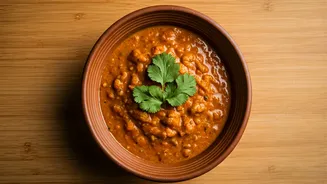
This demand for fast, authentic food has given rise to a new force in the industry: the cloud kitchen. These are delivery-only restaurants with no storefront, no waiters, and no tables. Operating out of shared or private kitchen spaces, they are optimized for one thing: getting food into a delivery box and on its way. What’s fascinating is what they choose to sell. Instead of chasing fleeting trends, the most successful cloud kitchens are doubling down on tradition. They specialize in specific regional cuisines or even single dishes, executed perfectly. You can find kitchens dedicated entirely to Maharashtrian thalis, Bengali fish curries, or home-style Punjabi rajma-chawal (kidney beans and rice). These businesses thrive by offering what a restaurant often can't: the taste of a home-cooked meal, prepared consistently and delivered quickly. They are, in essence, monetizing nostalgia and comfort for a generation too busy to create it for themselves.
A Taste of the New India
Ultimately, the preference for a quick curry over a complicated experiment is a powerful reflection of modern India. It’s a story about economics, urbanization, and changing social structures. With more women entering the workforce, the traditional role of the mother or grandmother as the family's primary cook is evolving. Nuclear families are replacing multi-generational households. The desire for a simple, home-style meal remains, but the person providing it has changed from a family member to a gig-economy driver. This trend doesn't signify a lack of culinary curiosity. India's food scene remains incredibly diverse. But it highlights a core truth: in a nation moving at breakneck speed, food is being asked to do a new job. It needs to be a source of comfort and cultural connection that fits into a 30-minute delivery window. It needs to taste like home, even if it was made in a kitchen you'll never see.