




The Comfort of the Craving
The connection between rain and cravings is universal, but the monsoon variety is a cultural touchstone. A drop in temperature and the cozy gloom of a downpour make us seek warmth and comfort. In South Asian cultures, this translates directly to a steaming
cup of masala chai (spiced tea) and, most famously, a plate of deep-fried snacks. Pakoras (vegetable fritters), samosas (savory pastries), and bhutta (roasted corn on the cob) become the unofficial foods of the season. They’re not just snacks; they're a nostalgic, sensory experience shared with family and friends while watching the rain fall. This ritual is about more than just satisfying hunger; it’s about creating warmth and connection on a damp, gray day.
Why Your Stomach Might Protest
While emotionally satisfying, these traditional treats can be tough on the digestive system. According to Ayurvedic principles and modern nutrition, the high humidity of the monsoon season can slow down our metabolism and weaken our 'digestive fire.' The body has to work harder to process food, and loading it with heavy, oily, and hard-to-digest items can lead to a host of problems. Deep-fried foods, in particular, can cause bloating, acidity, and a general feeling of sluggishness. Your body is already dealing with the atmospheric changes, and a diet heavy on fried goods adds an extra layer of stress to your gut, often leading to discomfort that ruins the cozy vibe.
The Street Food Risk Factor
Much of the allure of monsoon snacks comes from street-side vendors, where the sizzle of hot oil and the aroma of spices are most potent. However, this is also where the biggest risks lie. The rainy season is notorious for an increase in waterborne diseases. The water used to make chutneys, wash vegetables, or prepare batters can become contaminated, heightening the risk of stomach infections like gastroenteritis, typhoid, and cholera. Even if you have a strong constitution, the open-air preparation and exposure to moisture can make street food a gamble. While a vendor in the U.S. faces stricter health codes than one in Mumbai, the principle of being cautious with raw or water-heavy preparations during humid weather still holds true.
Smarter, Safer Swaps for the Season
You don't have to give up your favorite comfort foods entirely. A few simple adjustments can help you satisfy your cravings without the digestive distress. Instead of deep-frying, try baking, air-frying, or pan-frying your pakoras and samosas with minimal oil. This gives you the same satisfying crunch with a fraction of the grease. Swap out heavy, milk-laden chai for lighter alternatives like herbal teas with ginger, tulsi (holy basil), or lemongrass, all of which are known to aid digestion. A warm, hearty bowl of soup—like lentil (dal) or mixed vegetable—can provide the same comforting warmth as a fried snack but with far more nutrients and less strain on your gut.
Embrace Gut-Friendly Habits
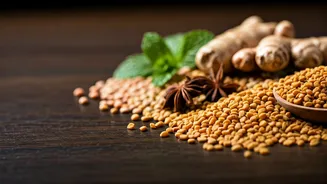
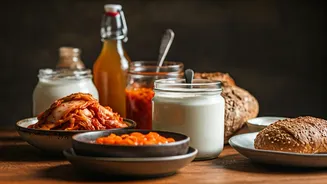
The best way to navigate the season is to focus on strengthening your digestion. Start by incorporating probiotics into your diet, like plain yogurt, which can support a healthy gut microbiome. Spices like turmeric, ginger, and black pepper, staples in South Asian cooking, have anti-inflammatory and digestive benefits. Be mindful of hydration, but stick to boiled, filtered, or bottled water to avoid contaminants. Avoiding raw foods like salads, unless you are certain they have been washed thoroughly with clean water, is another wise precaution. By focusing on light, warm, home-cooked meals, you can keep your digestive system happy while still enjoying the flavors you love.