



The Monsoon's Rite of Passage
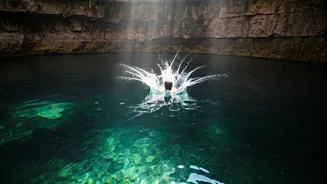
Forget the sun-drenched beaches and pulsing nightlife that define Goa for most of the year. When the monsoon rains arrive in June, a different kind of tourism awakens, centered on a seemingly reckless activity: jumping into deep, stone-lined village wells.
For a growing number of young, adventurous backpackers—many from Indian cities like Mumbai, Pune, and Bangalore—this has become an unconventional rite of passage. They arrive in the state’s verdant hinterlands, not for sand and surf, but for the adrenaline spike of plunging into cool, dark water. This isn’t a commercialized tourist trap with safety nets and liability waivers. It’s a raw, grassroots phenomenon, driven by word-of-mouth and the powerful allure of social media.
An Ancient Tradition, Reimagined
The practice isn’t new; it’s just new to this crowd. Well-jumping is deeply rooted in Goa’s Catholic culture, specifically the festival of Sao Joao, or Saint John the Baptist, celebrated on June 24th. Locals, often wearing crowns of flowers and fruit called ‘kopels,’ have for centuries leaped into wells, streams, and ponds to commemorate St. John’s joyful leap in his mother Elizabeth’s womb. It’s a vibrant community festival of food, feni (a local spirit), and joyous abandon. What today’s backpackers are participating in is an echo of this tradition, stripped of its religious context and reframed as a secular adventure. They are drawn to the perceived authenticity of the act—a connection to a “real” Goa that exists beyond the tourist corridor.
The Search for an Unfiltered Experience
So why the flood of interest now? It’s a perfect storm of modern travel trends. Today’s young Indian traveler is increasingly looking for experiences over destinations. They are mobile, connected, and hungry for stories. The well jump offers a potent cocktail of what they crave. It’s an act of physical courage that provides an immediate, visceral thrill far removed from a desk job in a sprawling metropolis. It’s also incredibly affordable. In a state where tourist prices can be steep, a well jump requires only a scooter, a GPS pin, and a dose of bravery. It represents a break from the curated, commercialized vacation, offering a feeling of discovery and a badge of honor that a five-star resort simply cannot.
Fueling the Trend on Instagram
You cannot discount the power of the image. The visual of a well jump is undeniably compelling. The contrast between the ancient, moss-covered stone, the dark, mysterious water, and the vibrant energy of the jumpers creates powerful, shareable content. A single viral reel on Instagram or a well-shot YouTube vlog can send dozens of new pilgrims in search of the same well. The location tags and geotags, once shared, turn a hidden village spot into a known destination overnight. This digital amplification is crucial; it transforms a local tradition into a trending challenge, complete with hashtags and location pins. The jump becomes not just a memory, but a piece of content, a way of performing a life of adventure for a digital audience.
A Splash of Concern
While the trend appears joyous, it’s not without its problems. Safety is the most obvious concern. These are not regulated swimming pools; they are old wells of unknown depth, sometimes containing debris or agricultural runoff. Accidents happen. Furthermore, the sudden influx of tourists into quiet, residential villages brings a host of issues familiar to over-touristed areas worldwide. The noise, the traffic from rented scooters, and the general disruption can feel invasive to residents who use these wells for their original purpose. There's a fine line between appreciative participation and careless appropriation, and as the well-jumping trend grows, it walks that line more precariously than ever.