


Understanding the 'Big Fast'
June often brings Nirjala Ekadashi, a Hindu observance dedicated to Lord Vishnu. The name itself—'nirjala' meaning 'without water' and 'Ekadashi' meaning the 11th lunar day—points to its rigor. Traditionally, it involves abstaining from both food and water for
24 hours. However, many people observe a 'phalahari' fast, where they consume only fruits, certain vegetables, and non-grain items. For children, the elderly, or those with health conditions, this modified fast is the standard. The snacks listed here are perfect for those preparing for the fast, breaking it, or observing a modified version. The core principle of 'vrat' (fasting) food is avoiding grains (like wheat and rice), lentils, onions, garlic, and heavily processed ingredients.
The King of Vrat: Sabudana (Tapioca Pearls)
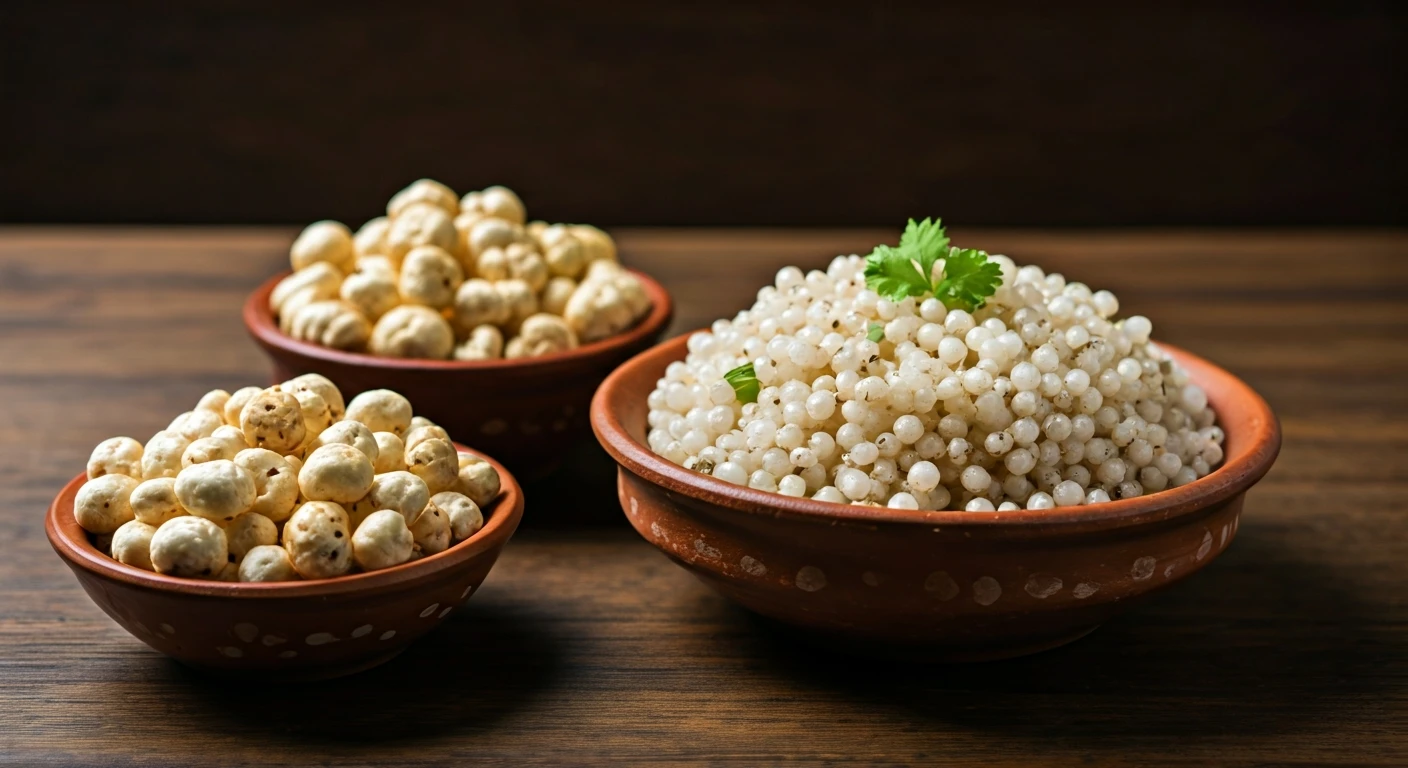
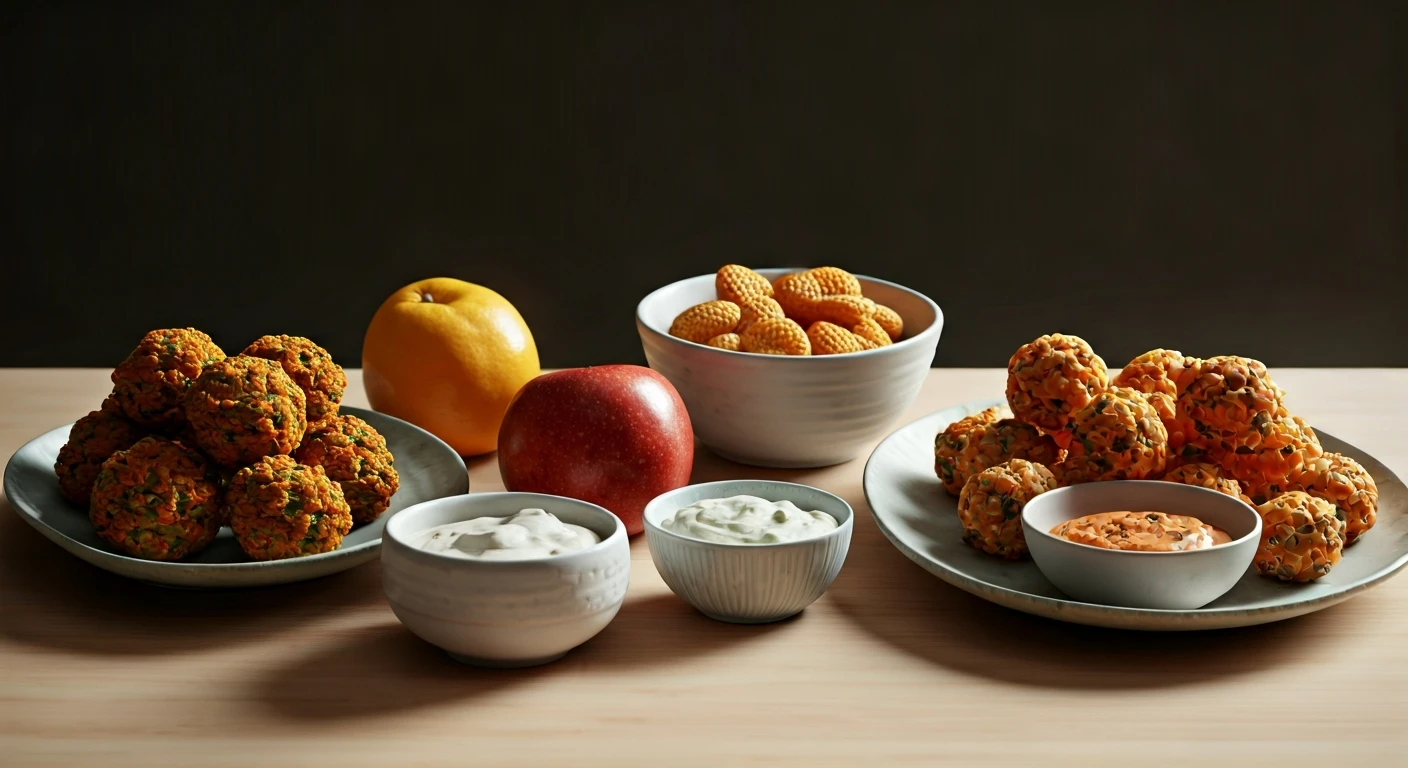
If there's one ingredient synonymous with fasting feasts, it's sabudana. These small, starchy pearls are a fantastic source of carbohydrates that provide sustained energy. While sabudana khichdi (a savory dish with potatoes and peanuts) is a full meal, the pearls can also be used for snacks. Sabudana vadas are deep-fried, crispy fritters that are utterly addictive, especially when paired with a mint or yogurt chutney. For a simpler option, sabudana kheer (a sweet pudding) is a comforting treat. You can find sabudana at any Indian grocery store, and preparing it simply requires a few hours of soaking before you cook.
Puffed Perfection: Makhana (Fox Nuts)
Makhana, or fox nuts, are the puffed seeds of the water lily plant. They are incredibly light, crunchy, and a nutritional powerhouse packed with protein and fiber. Think of them as a healthier alternative to popcorn. The best part? They are ridiculously easy to prepare. Just dry roast them in a pan for a few minutes until they're crisp, then toss them with a little ghee (clarified butter) and sendha namak (rock salt), the only salt permitted during many vrats. For a bit more flavor, you can add a sprinkle of black pepper or cumin powder. Many brands now sell pre-roasted and seasoned makhana, making them a perfect grab-and-go snack.
Fruits and Dairy: The Foundation
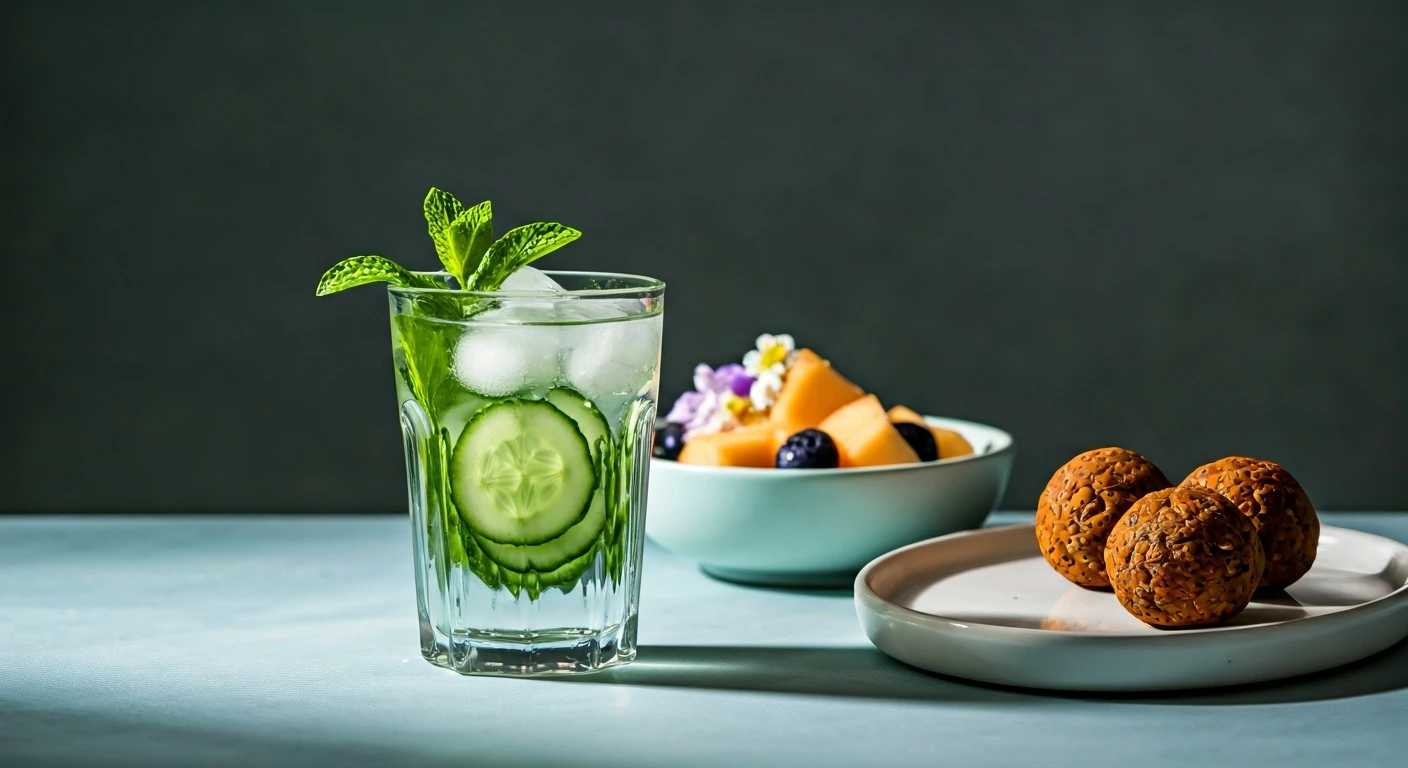
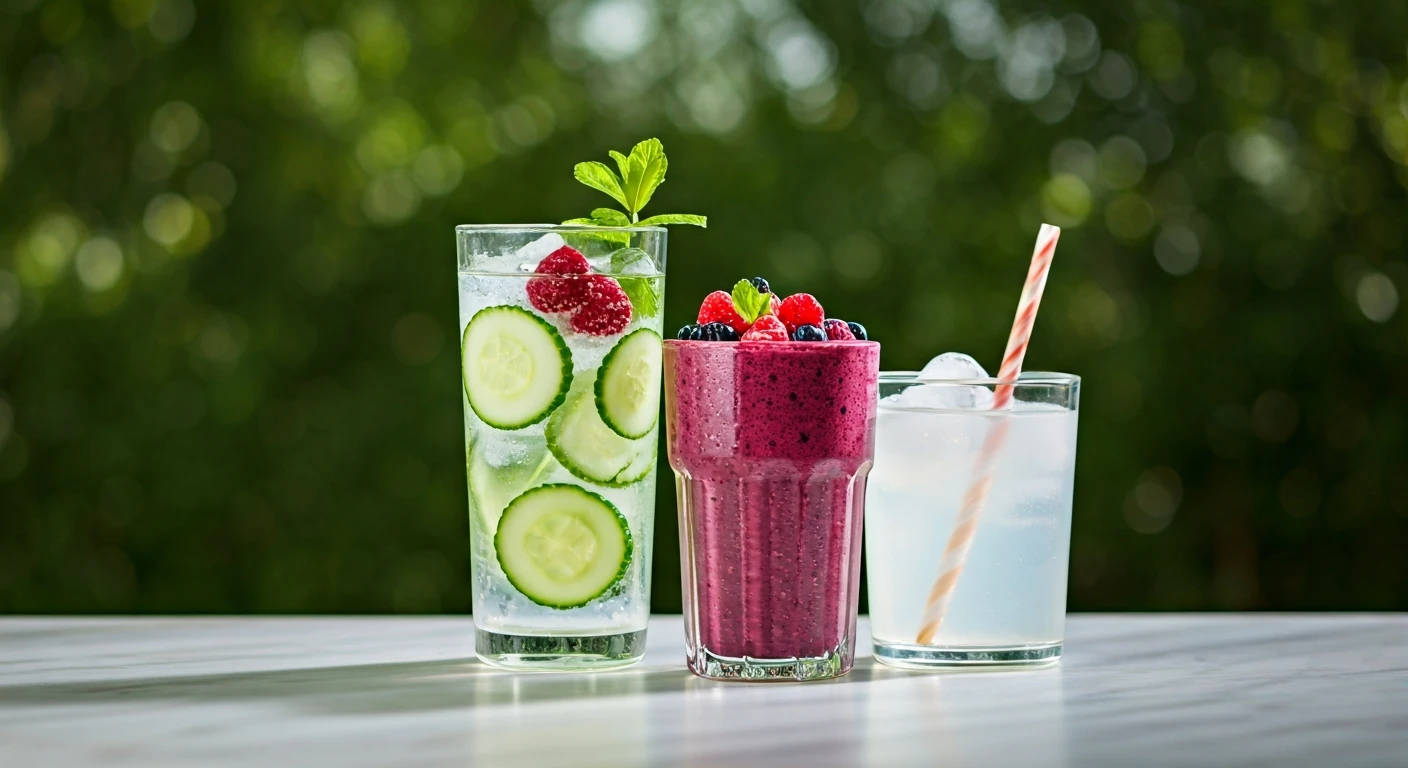
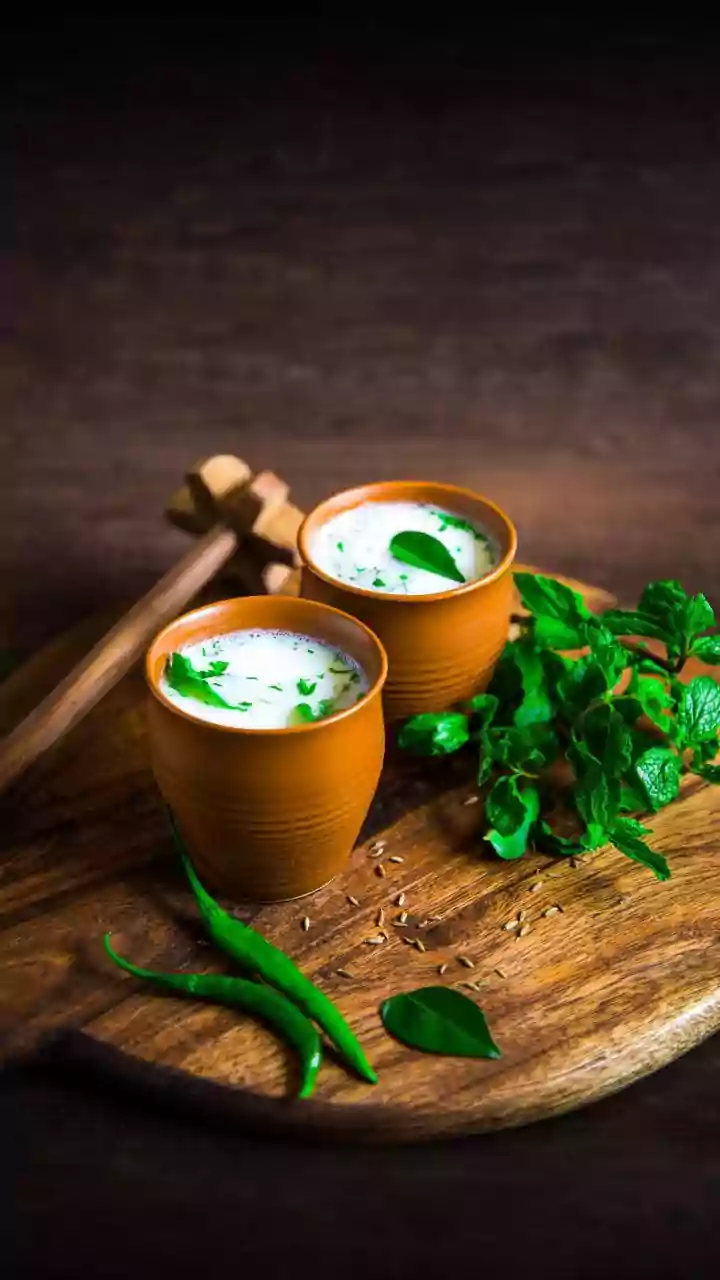
Never underestimate the simple power of nature's candy. A fruit salad is not just allowed; it's encouraged. Bananas, apples, melons, and berries provide natural sugars for energy and essential hydration. Pair your fruit with dairy for a more substantial snack. A bowl of full-fat yogurt (dahi) mixed with chopped fruit and a drizzle of honey is both filling and cooling. Lassi (a yogurt-based drink) or a simple glass of milk can also help you feel full and nourished. For a modern twist, blend yogurt and fruit into a smoothie—just be sure to skip any additives that aren't vrat-friendly.
Root Vegetables and Nut Flours
Potatoes, sweet potatoes, and yams are your best friends during a fast. They are filling, versatile, and provide complex carbs. Simple boiled or baked sweet potatoes with a sprinkle of salt are delicious. You can also make 'farali pattice,' which are potato patties stuffed with a sweet and spicy mixture of coconut and nuts. Vrat-friendly flours like singhara atta (water chestnut flour) or kuttu ka atta (buckwheat flour) open up even more possibilities. These can be used to make flatbreads (puris or rotis) or savory pancakes to accompany your vegetable dishes or yogurt.
Store-Bought Conveniences
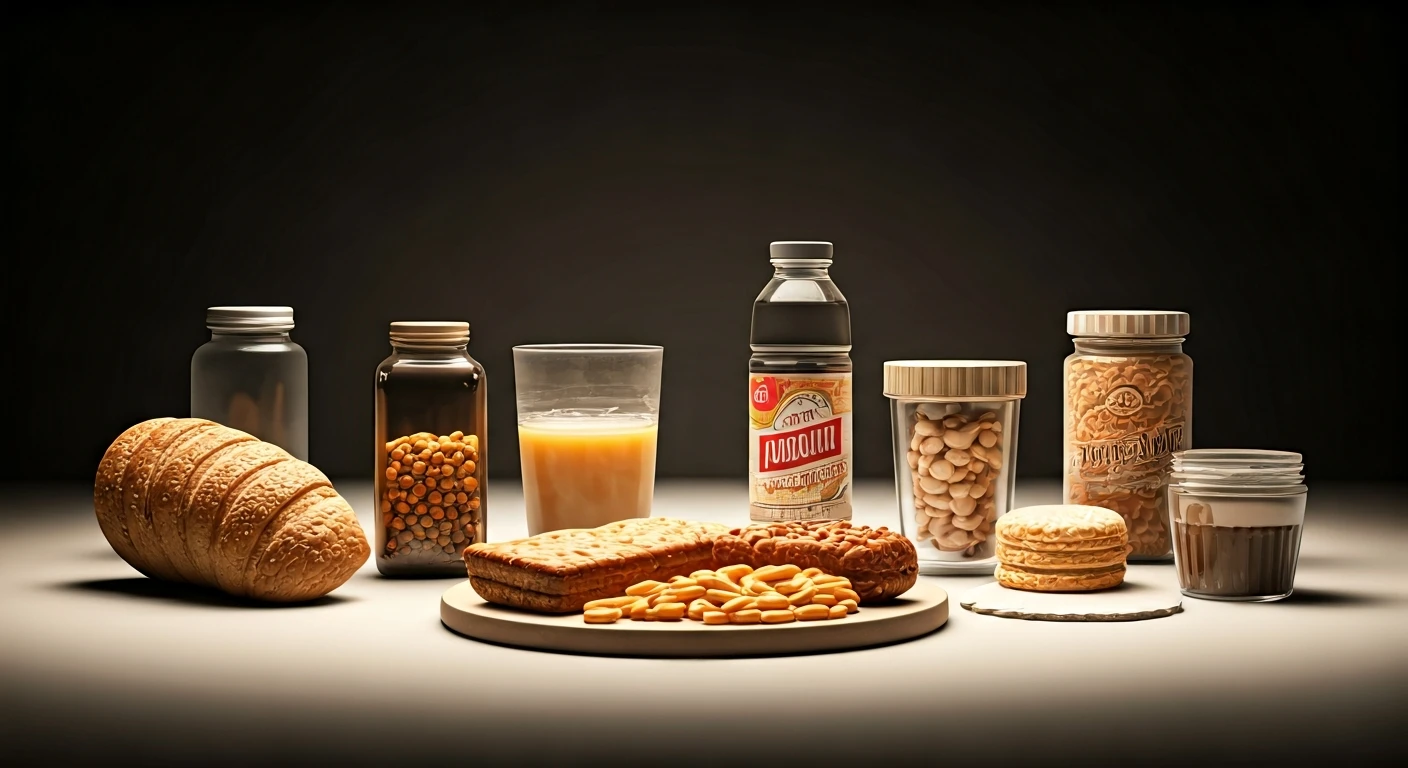
Life is busy, and sometimes you just need to grab something from a package. Thankfully, the market has caught up. Indian grocery stores dedicate entire sections to 'farali' or 'upvas' snacks during fasting seasons. Look for farali chivda (a savory mix made from potatoes and peanuts), banana chips fried in acceptable oils, and various nut-and-seed bars. Even in mainstream U.S. supermarkets, you can find compliant options if you read the labels carefully. Plain potato chips cooked in peanut or sunflower oil (avoid canola or soy), many fruit-and-nut bars (check for oat or grain fillers), and bags of mixed nuts and dried fruits are all excellent choices.